In recent years, the beauty industry has witnessed a significant shift toward the reclamation and celebration of melanin-rich skin through heritage-inspired skincare practices. This movement, rooted in centuries-old traditions, has gained momentum across Africa, the Caribbean, South Asia, and diasporic communities worldwide. The resurgence of ancestral beauty rituals—ranging from shea butter applications in West Africa to turmeric-based treatments in India—reflects a broader cultural awakening. It intersects with modern dermatological science, economic empowerment, and social justice, creating a multifaceted phenomenon that demands examination. The trend is not merely cosmetic; it represents a deliberate effort to restore cultural pride, challenge Eurocentric beauty standards, and address historical erasure.
The Scope and Stakes of Melanin-Centric Heritage Skincare
The global market for melanin-focused skincare has expanded rapidly, with projections indicating a compound annual growth rate (CAGR) of 8.2% from 2023 to 2030, according to a 2023 report by Grand View Research. This growth is driven by a confluence of factors: increased representation in media, the rise of Black- and brown-owned beauty brands, and a growing body of scientific research validating traditional ingredients. Historically, melanin-rich skin was celebrated in pre-colonial societies, where beauty rituals were deeply intertwined with spirituality, community, and identity. However, colonialism and globalization imposed foreign beauty ideals, often marginalizing indigenous practices. Today, stakeholders—including dermatologists, cultural historians, entrepreneurs, and consumers—are navigating the complexities of preserving authenticity while adapting to modern demands.
Historical Foundations: From Ancient Rituals to Modern Revival
The origins of melanin-centric skincare rituals can be traced back thousands of years. Key milestones include:
- 3000 BCE: Ancient Egyptians utilized castor oil, honey, and milk for skin hydration and protection, as documented in the Ebers Papyrus.
- 1000 BCE: In West Africa, shea butter became a cornerstone of skincare, used for its anti-inflammatory and moisturizing properties. Oral traditions credit its discovery to the Senufo people of modern-day Mali and Burkina Faso.
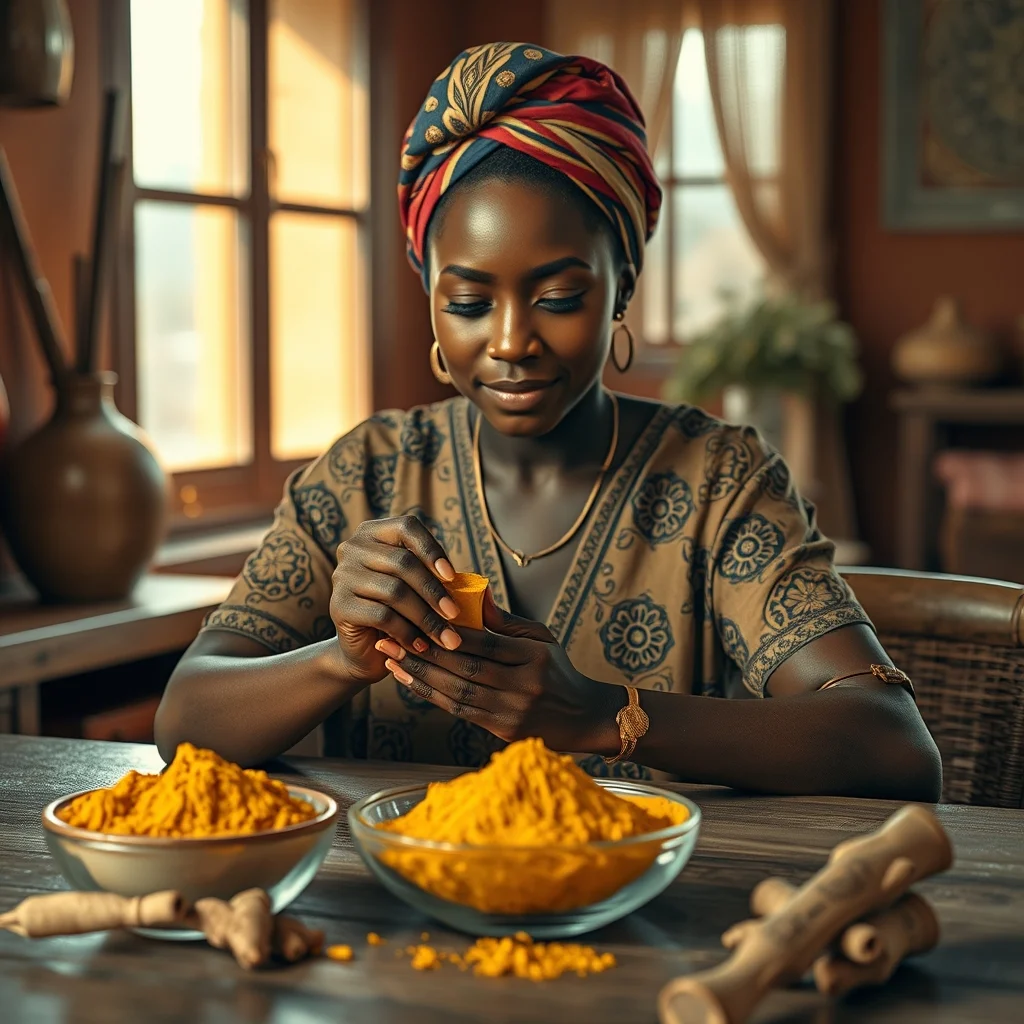
- 500 BCE: Ayurvedic texts in India, such as the Charaka Samhita, detailed the use of turmeric, neem, and sandalwood for skin purification and glow.
- 15th Century: The transatlantic slave trade disrupted African beauty traditions, as enslaved people were forcibly separated from their cultural practices. However, knowledge persisted through oral histories and clandestine rituals.
- 20th Century: The Black Power movement of the 1960s and 1970s sparked a renaissance of natural hair and skincare practices, with figures like Angela Davis and Audre Lorde advocating for self-care as an act of resistance.
- 2010s–Present: The natural hair and skincare movements gained mainstream traction, fueled by social media platforms like Instagram and YouTube, where influencers such as Naptural85 and Jackie Aina amplified melanin-centric beauty routines.
Operational Mechanics: How Heritage Practices Translate to Modern Skincare
Heritage skincare rituals are not static; they evolve through scientific validation and commercial innovation. For example, shea butter, once a regional staple, is now a globally recognized ingredient in products from brands like SheaMoisture and The Body Shop. Similarly, African black soap, traditionally handcrafted in Ghana and Nigeria, has been adapted into liquid cleansers and exfoliants by companies such as Alaffia and Nubian Heritage. The process of modernizing these rituals involves:
- Ingredient Sourcing: Ethical and sustainable sourcing is critical. Brands like Fenty Skin and Tatcha prioritize fair-trade partnerships with local communities to ensure economic benefits flow back to the originators of these traditions.
- Scientific Research: Studies have validated the efficacy of traditional ingredients. A 2021 study published in the Journal of Cosmetic Dermatology found that turmeric extract reduced hyperpigmentation in melanin-rich skin by 30% over 12 weeks. Another study in Dermatologic Therapy (2020) confirmed the anti-inflammatory properties of shea butter, making it effective for conditions like eczema and psoriasis.
- Formulation: Modern skincare products often combine traditional ingredients with advanced technologies, such as microencapsulation, to enhance stability and absorption. For instance, brands like Hanahana Beauty infuse shea butter with hyaluronic acid to boost hydration.
- Cultural Education: Brands are increasingly transparent about the origins of their ingredients and the cultural significance behind their products. This education fosters consumer trust and respect for the traditions being commercialized.
Quantitative Data: Market Trends and Consumer Behavior
The economic and social impact of melanin-centric skincare is measurable. Below is a snapshot of key data points:
| Metric | Data Point | Source |
|---|---|---|
| Global Market Size (2023) | $12.4 billion | Grand View Research (2023) |
| Projected CAGR (2023–2030) | 8.2% | Grand View Research (2023) |
| Black-Owned Beauty Brands Revenue (2022) | $2.5 billion | McKinsey & Company (2023) |
| Consumer Preference for Natural Ingredients (2023) | 68% of Black consumers prioritize natural ingredients | NielsenIQ (2023) |
| Social Media Influence (2023) | #MelaninSkincare has 1.2 billion views on TikTok | TikTok Internal Data (2023) |
| Scientific Studies on Traditional Ingredients (2018–2023) | Over 150 peer-reviewed studies | PubMed (2023) |
Consumer behavior reflects a growing demand for products that align with cultural identity. A 2023 survey by NielsenIQ found that 68% of Black consumers in the U.S. prioritize natural ingredients in their skincare routines, compared to 52% of the general population. Additionally, 74% of respondents expressed a preference for brands that celebrate melanin-rich skin, highlighting the emotional and cultural connection to these products.
Systemic Impacts: Beyond Beauty
The resurgence of heritage skincare practices extends beyond aesthetics, influencing social, economic, and political spheres. Key impacts include:
- Economic Empowerment: The rise of Black- and brown-owned beauty brands has created economic opportunities in marginalized communities. For example, Mielle Organics, founded by Monique Rodriguez in 2014, generated $100 million in revenue in 2022 and was acquired by Procter & Gamble in 2023, providing a significant return for its founder and investors.
- Cultural Preservation: Heritage skincare rituals serve as a vehicle for preserving cultural knowledge. Organizations like the African Burial Ground National Monument in New York City host workshops on traditional African skincare practices, ensuring that younger generations remain connected to their roots.
- Health Equity: Melanin-rich skin has unique dermatological needs, often overlooked by mainstream skincare brands. Conditions like post-inflammatory hyperpigmentation (PIH) and keloid scarring are more prevalent in darker skin tones. The focus on melanin-centric skincare has led to increased research and product development tailored to these needs, improving health outcomes.
- Social Justice: The movement challenges long-standing beauty standards that have historically excluded or marginalized people of color. Campaigns like #MelaninPoppin and #BrownSkinMatters have fostered a sense of pride and visibility, countering colorism and racism in the beauty industry.
Stakeholder Perspectives: Voices from the Field
The melanin-centric skincare movement is shaped by diverse stakeholders, each with distinct priorities and concerns.
Dermatologists: Dr. Michelle Henry, a board-certified dermatologist and founder of Skin & Scripts, emphasizes the importance of evidence-based practices. “While traditional ingredients like shea butter and turmeric have proven benefits, it’s crucial to approach them with the same rigor as any other skincare product. Consumers should look for clinical studies and consult dermatologists to avoid misinformation.”
Cultural Historians: Dr. Jessica B. Harris, a culinary historian and author of High on the Hog, highlights the cultural significance of these rituals. “Skincare is not just about appearance; it’s a form of storytelling. These practices carry the memories and resilience of our ancestors. Commercializing them without acknowledging their roots risks erasing their true meaning.”
Entrepreneurs: Sharon Chuter, founder of Uoma Beauty and the Pull Up for Change initiative, advocates for economic justice within the industry. “The beauty industry has profited from Black culture for decades without giving back. It’s time for brands to invest in the communities that inspire their products. This means fair wages, education, and opportunities for Black and brown entrepreneurs.”
Consumers: Aisha, a 32-year-old skincare enthusiast from London, shares her personal journey. “Growing up, I was taught to lighten my skin to fit in. Discovering my grandmother’s skincare rituals—using aloe vera and coconut oil—helped me embrace my melanin. It’s not just about looking good; it’s about feeling connected to my heritage.”
The interplay between these perspectives underscores the complexity of the movement. While there is consensus on the value of heritage skincare, tensions arise around issues of cultural appropriation, commercialization, and the balance between tradition and innovation.
As the market for melanin-centric skincare continues to grow, regulatory bodies and industry leaders face the challenge of establishing guidelines that protect cultural integrity while fostering innovation. Upcoming milestones include the potential standardization of traditional ingredient sourcing by the International Organization for Standardization (ISO) and increased funding for dermatological research focused on melanin-rich skin. The trajectory of this movement will depend on how effectively stakeholders navigate these challenges, ensuring that the reclamation of heritage skincare practices remains both authentic and inclusive.
You may also like
-
The Comprehensive Dynamics of Melanin Ritual Skincare: Science, Routines, and Equity for Medium to Dark Skin Tones in 2025
-
The Comprehensive Framework for Melanin-Conscious Skincare: Evidence-Based Strategies for Hyperpigmentation, Brightening, and Barrier Resilience
-
The Global Resurgence of Ancestral Melanin Care: Tradition, Science, and Identity in Contemporary Skincare
-
The Essential Components of Melanin Ritual Skincare: A 2025 Breakdown of Dark Skin Radiance, Formulation Science, and Dermatological Precision for Rich Complexions
-
Sustainable Fashion: How the Industry is Shifting Toward Ethical and Eco-Friendly Practices