In 2024, the global beauty industry is witnessing a paradigm shift as melanin-rich communities increasingly reclaim and celebrate ancestral skincare rituals. This movement, spanning Africa, the Caribbean, South Asia, and Indigenous communities in the Americas, merges traditional practices with contemporary dermatological science to address long-standing gaps in mainstream beauty standards. The resurgence is driven by a confluence of factors: the rise of social media platforms amplifying marginalized voices, scientific research validating the efficacy of heritage ingredients, and a growing consumer demand for culturally affirming products. Market analysts project the melanin-centric skincare sector to reach $12.7 billion by 2027, up from $8.3 billion in 2022, according to a report by Grand View Research. Yet, this growth is accompanied by tensions over cultural appropriation, commercialization of sacred rituals, and disparities in access to dermatological care tailored to darker skin tones.
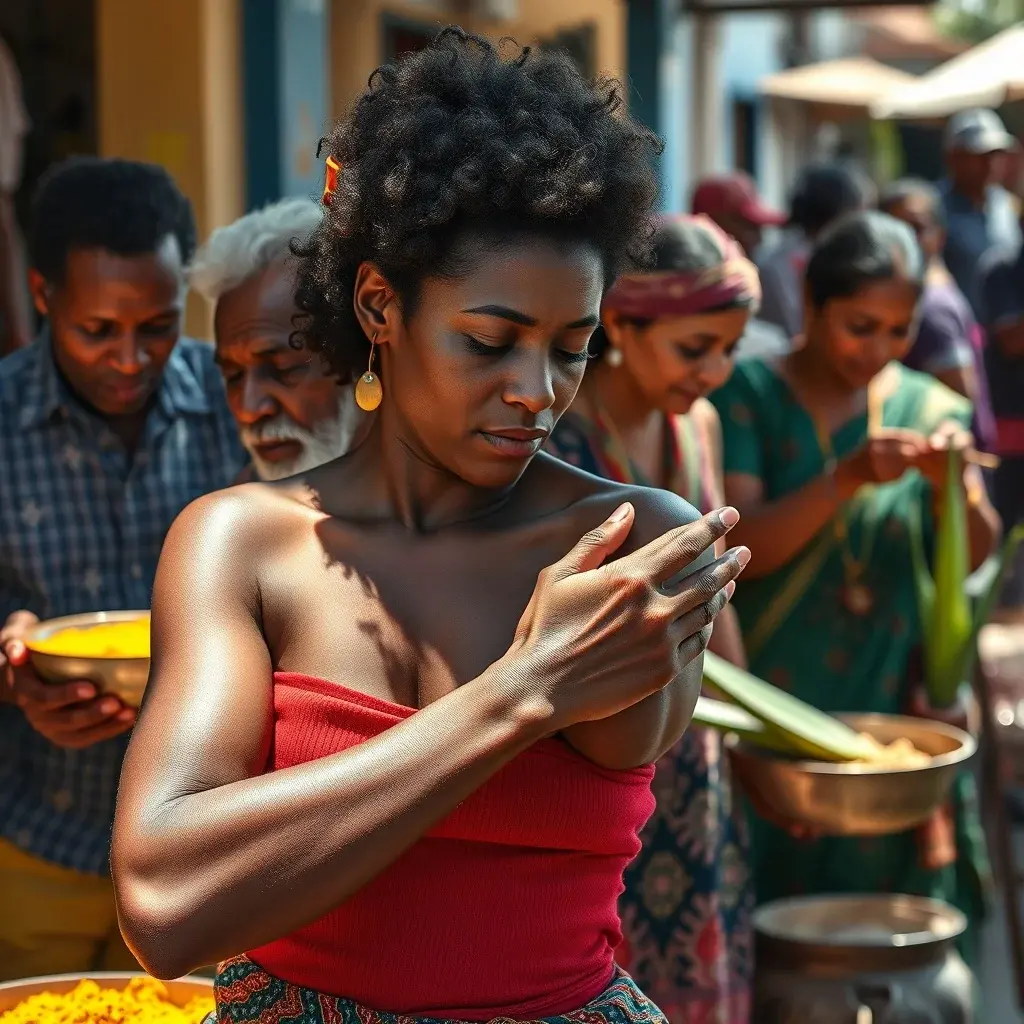
The phenomenon of melanin empowerment rituals encompasses a spectrum of practices—from the use of shea butter in West Africa to turmeric-based ubtans in South Asia and aloe vera applications in Indigenous Latin American traditions. These rituals are not merely cosmetic; they serve as acts of cultural preservation, resistance against Eurocentric beauty norms, and vehicles for intergenerational knowledge transfer. Stakeholders include Indigenous elders, dermatologists of color, beauty entrepreneurs, and global corporations seeking to tap into the market. The movement’s roots trace back centuries, but its modern iteration gained momentum in the late 2010s, fueled by digital activism and the Black Lives Matter movement’s broader push for racial equity.
Historical Foundations and Evolution
The origins of melanin-centric skincare rituals are deeply embedded in pre-colonial societies, where beauty practices were intertwined with spirituality, health, and community identity. Key milestones in their evolution include:
- Pre-15th Century: Indigenous communities across Africa, Asia, and the Americas developed localized skincare regimens using native botanicals. For example, the Yoruba people of Nigeria used camwood (osun) as a natural exfoliant and antiseptic, while the Maya civilization incorporated cocoa butter into their beauty routines.
- Colonial Era (16th–19th Century): European colonization disrupted these traditions, imposing foreign beauty standards that equated fair skin with superiority. Colonial laws and social hierarchies marginalized melanin-rich individuals, eroding the transmission of ancestral practices. However, some rituals persisted in secret or were adapted to survive under oppression.
- Post-Colonial Revival (Mid-20th Century): Independence movements in Africa and the Caribbean sparked a renaissance of cultural pride, leading to the re-emergence of traditional beauty practices. In the 1960s and 1970s, figures like Nigeria’s Chief (Mrs.) Funmilayo Ransome-Kuti advocated for the use of local ingredients like shea butter as symbols of self-sufficiency and resistance.
- Digital Age (2010s–Present): Social media platforms, particularly Instagram and TikTok, became catalysts for the global dissemination of melanin empowerment rituals. Hashtags like #MelaninMagic and #BlackGirlSkincare amassed millions of posts, while influencers such as Nyma Tang and Jackie Aina popularized heritage-inspired routines. The COVID-19 pandemic further accelerated this trend, as lockdowns prompted individuals to explore at-home, natural skincare solutions.
Operational Mechanics: How Rituals Function
Melanin empowerment rituals operate at the intersection of cultural tradition, scientific validation, and commercial innovation. Their core mechanics can be categorized into three dimensions:
Cultural Transmission
Knowledge of these rituals is primarily passed down through oral traditions, family lineages, and community elders. In Ghana, for instance, the practice of using black soap—a blend of plantain skins, cocoa pods, and palm kernel oil—is taught by grandmothers to younger generations as part of rites of passage. Similarly, in India, the application of turmeric (haldi) during pre-wedding ceremonies is a ritualistic act that reinforces cultural identity. However, the digital age has introduced new modes of transmission. Online tutorials, virtual workshops, and mobile applications now supplement traditional methods, democratizing access to ancestral knowledge.
Scientific Validation
Recent dermatological research has begun to substantiate the efficacy of heritage ingredients, bridging the gap between tradition and modern science. A 2021 study published in the Journal of Clinical and Aesthetic Dermatology found that shea butter, a staple in West African skincare, contains high concentrations of triterpenes, which exhibit anti-inflammatory and collagen-stimulating properties. Similarly, a 2020 report by the International Journal of Dermatology highlighted the benefits of turmeric in treating hyperpigmentation, a common concern for melanin-rich skin. These findings have led to collaborations between traditional healers and dermatologists, such as the partnership between the African Traditional Medicine Research Institute and the World Health Organization to document and validate Indigenous skincare practices.
Commercial Innovation
The commercialization of melanin empowerment rituals has given rise to a burgeoning market of heritage-inspired beauty brands. Companies like SheaMoisture, founded in 1991 by Liberian immigrant Richelieu Dennis, and Fenty Skin, launched by Rihanna in 2020, have disrupted the industry by centering melanin-rich skin in their product formulations. These brands often source ingredients directly from Indigenous communities, creating economic opportunities while raising ethical questions about fair compensation and cultural ownership. For example, SheaMoisture’s Community Commerce program partners with women-led cooperatives in Ghana to sustainably harvest shea nuts, providing over 15,000 women with income and education opportunities.
Quantitative Data Analysis
The economic and social impact of melanin empowerment rituals is reflected in the following data points:
| Metric | 2020 | 2022 | 2024 (Projected) | Source |
|---|---|---|---|---|
| Global melanin-centric skincare market value | $6.8 billion | $8.3 billion | $12.7 billion | Grand View Research |
| Percentage of Black consumers who prioritize heritage-inspired skincare | 42% | 58% | 67% | NielsenIQ |
| Number of melanin-focused beauty brands launched annually | 120 | 180 | 250 | McKinsey & Company |
| Social media engagement (hashtags #MelaninMagic, #BlackGirlSkincare) | 1.2 million posts | 3.5 million posts | 5.8 million posts | Hootsuite |
Despite this growth, disparities persist in dermatological care for melanin-rich skin. A 2023 study by the American Academy of Dermatology revealed that only 3% of dermatologists in the U.S. are Black, and 4.5% are Hispanic, leading to gaps in culturally competent care. Additionally, a report by the World Health Organization noted that 60% of individuals in low-income countries lack access to basic skincare products, exacerbating health inequities.
Systemic Impacts and Stakeholder Perspectives
The resurgence of melanin empowerment rituals has sparked debates among stakeholders, each offering distinct perspectives on its implications.
Cultural Preservationists
Advocates for cultural preservation argue that these rituals are vital for maintaining Indigenous knowledge and resisting cultural erasure. Dr. Aisha Beliso-De Jesús, a professor of African American Religions at Harvard Divinity School, states, “Melanin empowerment rituals are not just about skincare; they are acts of decolonization. They reclaim bodily autonomy and challenge the historical narratives that have devalued dark skin.” However, some traditionalists express concerns about commercialization diluting the sacredness of these practices. In 2022, a group of Maasai elders in Kenya issued a statement condemning the unauthorized use of their traditional ochre-based skincare rituals by international beauty brands, calling it “a violation of our cultural sovereignty.”
Dermatologists and Scientists
Medical professionals emphasize the need for evidence-based approaches to melanin-centric skincare. Dr. Michelle Henry, a board-certified dermatologist and founder of Skin & Scripts, notes, “While heritage ingredients like shea butter and turmeric have proven benefits, it’s crucial to differentiate between traditional wisdom and scientifically validated treatments. Not all natural ingredients are safe or effective for every skin type.” The American Academy of Dermatology has launched initiatives to educate consumers about the risks of unregulated products, such as those containing high concentrations of essential oils, which can cause irritation or allergic reactions in melanin-rich skin.
Beauty Industry Leaders
Corporate stakeholders view the melanin empowerment movement as a lucrative market opportunity. Unilever, the parent company of SheaMoisture, reported a 23% increase in sales of its melanin-focused product lines in 2023. However, industry leaders face scrutiny over performative allyship. In 2021, L’Oréal faced backlash for removing the word “whitening” from its skin-lightening products while continuing to sell them in markets where colorism is pervasive. “The beauty industry’s engagement with melanin empowerment must go beyond marketing gimmicks,” says Sharon Chuter, founder of Uoma Beauty. “It requires systemic change, from diversifying executive leadership to investing in research for melanin-rich skin.”
Consumers and Activists
For consumers, melanin empowerment rituals are a form of self-care and political statement. “Using products that celebrate my skin tone is empowering,” says 28-year-old Nairobi-based entrepreneur Amina Okello. “It’s a rejection of the idea that beauty is one-size-fits-all.” However, activists caution against the commodification of cultural practices. The #MelaninPoppin movement, founded by digital creator Nia The Light, advocates for ethical consumption and supports Black-owned businesses. “We must ensure that the economic benefits of this movement flow back to the communities that originated these rituals,” Nia emphasizes.
The future of melanin empowerment rituals hinges on navigating the tensions between cultural preservation, scientific innovation, and commercialization. Upcoming regulatory milestones, such as the European Union’s 2025 ban on misleading beauty claims, may impact how heritage-inspired products are marketed. Meanwhile, grassroots organizations like the African Diaspora Skincare Association are pushing for standardized certifications to ensure ethical sourcing and fair trade practices. As the movement evolves, its ability to balance tradition with modernity will determine whether it remains a tool for empowerment or becomes another fleeting trend in the beauty industry’s cyclical reinventions.
You may also like
-
The Comprehensive Dynamics of Melanin Ritual Skincare: Science, Routines, and Equity for Medium to Dark Skin Tones in 2025
-
The Comprehensive Framework for Melanin-Conscious Skincare: Evidence-Based Strategies for Hyperpigmentation, Brightening, and Barrier Resilience
-
The Global Resurgence of Ancestral Melanin Care: Tradition, Science, and Identity in Contemporary Skincare
-
The Essential Components of Melanin Ritual Skincare: A 2025 Breakdown of Dark Skin Radiance, Formulation Science, and Dermatological Precision for Rich Complexions
-
Sustainable Fashion: How the Industry is Shifting Toward Ethical and Eco-Friendly Practices