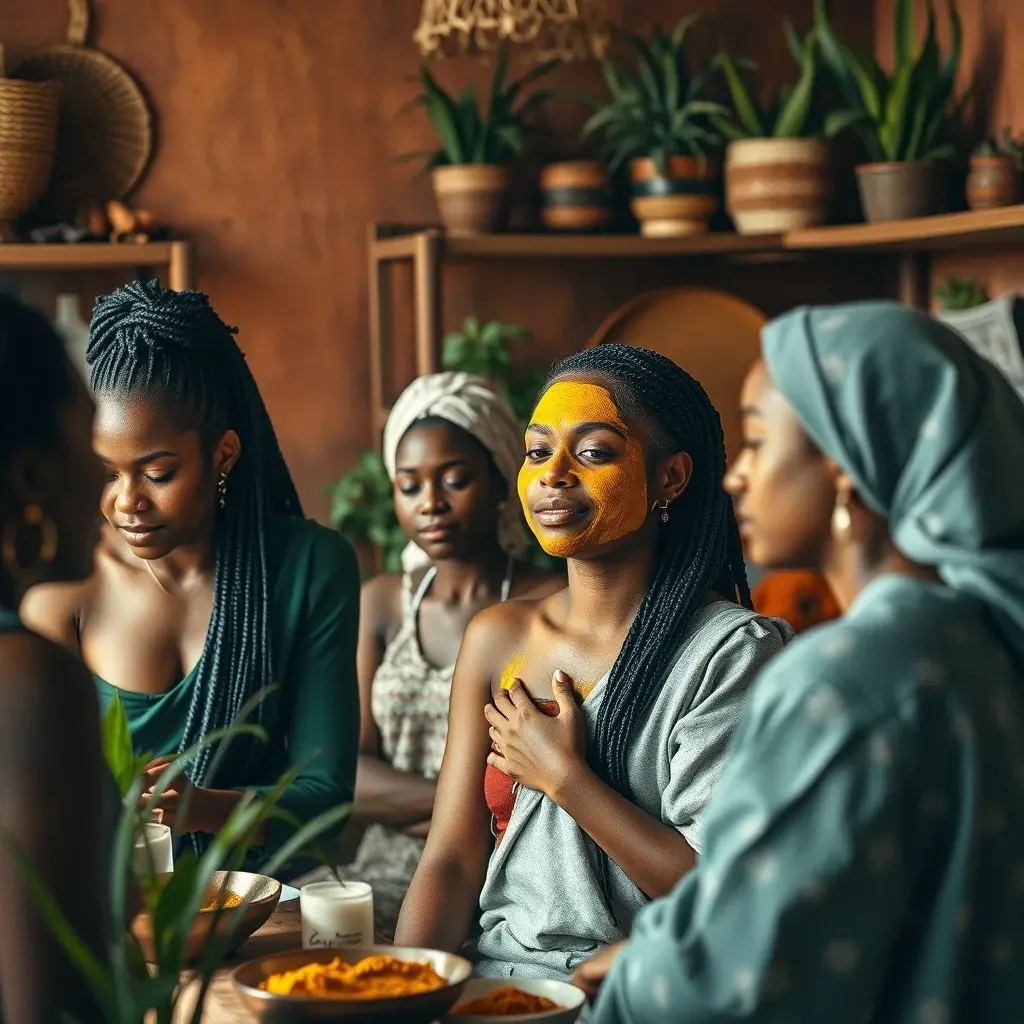
In communities across Africa, the Caribbean, South Asia, and the Americas, a quiet resurgence is underway. Cultural melanin rituals—ancestral skincare practices rooted in generational wisdom—are experiencing renewed interest amid global conversations about identity, representation, and holistic wellness. These rituals, which blend botanical knowledge, spiritual symbolism, and communal traditions, are no longer confined to their places of origin. Instead, they are being reclaimed, reimagined, and integrated into contemporary beauty regimens by diasporic populations, wellness advocates, and even mainstream cosmetic brands. The movement reflects a broader shift: a demand for skincare that honors heritage while addressing the unique needs of melanin-rich skin.
Executive Summary: The Who, What, When, Where, Why, and How
The current landscape of cultural melanin rituals involves a diverse array of stakeholders. Indigenous communities, particularly in West Africa, the Amazon, and Polynesia, serve as the primary custodians of these traditions, passing down knowledge through oral histories and hands-on apprenticeships. Second- and third-generation immigrants in urban centers like London, New York, and Johannesburg are driving the modern revival, often blending ancestral practices with scientific research. Beauty brands, both niche and multinational, have entered the space, launching product lines inspired by or directly sourced from these traditions. The trend gained momentum in the late 2010s, coinciding with the Black Lives Matter movement and a growing consumer preference for clean, culturally conscious beauty. Today, these rituals are practiced in homes, wellness retreats, and even clinical settings, with their benefits extending beyond aesthetics to encompass mental, emotional, and spiritual well-being.
The resurgence is fueled by several factors. For many, these rituals offer a form of cultural reclamation—a way to reconnect with roots severed by colonialism, migration, or assimilation. Others are drawn to their efficacy; ingredients like shea butter, turmeric, and moringa, long used in traditional melanin care, have been validated by modern dermatology for their anti-inflammatory, hyperpigmentation-fighting, and barrier-strengthening properties. Social media has also played a pivotal role, with platforms like Instagram and TikTok amplifying the visibility of these practices. However, the commercialization of heritage skincare has sparked debates about cultural appropriation, ethical sourcing, and the erasure of Indigenous knowledge systems.
Historical Context and Stakeholder Landscape
The foundations of cultural melanin rituals stretch back millennia. In ancient Egypt, Cleopatra’s milk baths and the use of kohl for eye protection were early examples of skincare tied to both beauty and spirituality. In West Africa, the Yoruba people employed osun (camwood) and adire (indigo) in rituals that celebrated melanin-rich skin as a symbol of divine favor. Similarly, in India, the practice of ubtan—a paste made from turmeric, chickpea flour, and oils—was used in pre-wedding ceremonies to enhance radiance and ward off evil spirits. These traditions were not merely cosmetic; they were embedded in rites of passage, communal bonding, and spiritual protection.
The transatlantic slave trade and colonialism disrupted many of these practices. Enslaved Africans were often stripped of their cultural identities, including traditional grooming and skincare rituals. In the Americas, enslaved people adapted, using ingredients like okra and castor oil to maintain their skin’s health under harsh conditions. Meanwhile, in colonized regions, Indigenous knowledge was suppressed or co-opted by European beauty standards, which often marginalized darker skin tones. The 20th century saw a gradual reawakening, with the Black Power movement of the 1960s and 1970s reigniting pride in natural hair and melanin-rich skin. Today, the stakeholders in this space are as varied as the traditions themselves, ranging from elders preserving oral histories to dermatologists studying the science behind these practices.
Chronological Evolution of Cultural Melanin Rituals
- Pre-15th Century: Indigenous communities in Africa, Asia, and the Americas develop skincare rituals using locally sourced botanicals. Practices are tied to spirituality, healing, and community.
- 16th–19th Century: Colonialism and the transatlantic slave trade disrupt traditional practices. Enslaved Africans adapt, creating new rituals with available resources. European beauty standards begin to dominate global perceptions of skin and beauty.
- Early 20th Century: The Harlem Renaissance and Negritude movement foster a renewed appreciation for Black aesthetics, though mainstream beauty industries remain exclusionary.
- 1960s–1970s: The Black Power movement and civil rights era spark a resurgence of pride in natural hair and melanin-rich skin. Figures like Angela Davis and Nina Simone become symbols of Black beauty.
- 1990s–2000s: The natural hair movement gains traction, and brands like Carol’s Daughter and SheaMoisture emerge, catering to textured hair and melanin-rich skin. However, these brands are later acquired by multinational corporations, raising questions about authenticity.
- 2010s–Present: Social media accelerates the global visibility of cultural melanin rituals. Hashtags like #MelaninPoppin and #BlackGirlMagic celebrate dark skin, while brands like Fenty Beauty and Pat McGrath Labs prioritize inclusivity. Concurrently, Indigenous communities advocate for the protection of their intellectual property and fair compensation for their knowledge.
Operational Mechanics: How Cultural Melanin Rituals Function
Cultural melanin rituals operate at the intersection of biology, culture, and spirituality. Unlike Western skincare, which often prioritizes individualism and quick results, these practices emphasize holistic well-being, community, and sustainability. The rituals typically follow a structured process:
- Ingredient Sourcing: Botanicals like shea butter (from the Vitellaria paradoxa tree in West Africa), moringa (native to India and Africa), and aloe vera are harvested sustainably, often by women-led cooperatives. These ingredients are chosen for their compatibility with melanin-rich skin, which is more prone to hyperpigmentation, keloid scarring, and sun damage.
- Preparation: Ingredients are processed using traditional methods, such as cold-pressing oils or fermenting pastes. For example, in Nigeria, ose dudu (black soap) is handcrafted from plantain skins, cocoa pods, and palm kernel oil, then left to cure for weeks. The preparation is often communal, reinforcing social bonds.
- Application: Rituals are performed in specific sequences, sometimes accompanied by prayers, songs, or affirmations. In Ethiopia, the coffee ceremony—a ritual involving the application of coffee grounds as an exfoliant—is a social event that can last hours. Similarly, in Jamaica, the use of cerasee (a bitter melon) in baths is believed to cleanse both the skin and the spirit.
- Post-Ritual Care: Many traditions emphasize long-term maintenance. For instance, in India, the abhyanga massage—an Ayurvedic practice involving warm sesame oil—is performed daily to nourish the skin and calm the nervous system. These practices are passed down through generations, with elders teaching younger family members the techniques and their significance.
Modern adaptations of these rituals often blend traditional knowledge with scientific research. Dermatologists and ethnobotanists are studying the efficacy of ingredients like turmeric (curcumin) for its anti-inflammatory properties and licorice root (glabridin) for its ability to inhibit melanin production, which can help with hyperpigmentation. However, the commercialization of these ingredients has led to concerns about overharvesting and the exploitation of Indigenous knowledge. In 2021, the World Intellectual Property Organization (WIPO) reported that less than 1% of global patents for natural products derived from traditional knowledge were held by Indigenous communities, highlighting the need for equitable partnerships.
Quantitative Data Analysis: Market Trends and Consumer Behavior
The global market for heritage-inspired skincare is expanding rapidly. According to a 2023 report by McKinsey & Company, the market for products targeting melanin-rich skin is projected to grow at a compound annual growth rate (CAGR) of 8.5% through 2027, outpacing the overall beauty market. The report attributes this growth to increasing consumer demand for inclusivity, transparency, and products that address specific skin concerns, such as post-inflammatory hyperpigmentation (PIH) and uneven skin tone.
The following table compares key market metrics for heritage-inspired skincare versus the broader beauty industry:
| Metric | Heritage-Inspired Skincare (2023) | Broader Beauty Industry (2023) |
|---|---|---|
| Market Size (USD) | $12.4 billion | $571.1 billion |
| Projected CAGR (2023–2027) | 8.5% | 5.3% |
| Consumer Demographics (Primary) | Women and men aged 18–45, primarily of African, Caribbean, and South Asian descent | Global, with a skew toward women aged 25–54 |
| Top Selling Ingredients | Shea butter, turmeric, moringa, aloe vera, black soap | Hyaluronic acid, retinol, vitamin C, niacinamide |
| Average Price Point (USD) | $25–$60 per product | $10–$100+ per product |
Consumer behavior in this space is shaped by cultural pride and practical needs. A 2022 survey by NielsenIQ found that 68% of Black consumers in the U.S. actively seek out beauty products that cater to their skin’s specific needs, compared to 42% of the general population. Additionally, 54% of respondents said they were more likely to purchase products from brands that celebrate their cultural heritage. Social media plays a significant role in driving these trends, with 72% of Black consumers reporting that they discover new products through platforms like Instagram and TikTok.
However, the market is not without challenges. A 2023 study published in the Journal of Cosmetic Dermatology found that 45% of heritage-inspired skincare products lacked clinical testing specific to melanin-rich skin. This gap underscores the need for more research and collaboration between traditional knowledge holders and scientific institutions. Dr. Michelle Henry, a board-certified dermatologist and clinical instructor at Weill Cornell Medicine, notes, “While ingredients like shea butter and turmeric have been used for centuries, we’re only beginning to understand their full potential through a scientific lens. The challenge lies in bridging the gap between traditional wisdom and evidence-based dermatology without diluting the cultural significance of these practices.”
Systemic Impacts: Identity, Economics, and Ethics
The resurgence of cultural melanin rituals has far-reaching implications beyond skincare. For many, these practices are a form of resistance against Eurocentric beauty standards, which have historically marginalized darker skin tones. The psychological impact of this shift is profound. A 2021 study by the Journal of Black Psychology found that Black women who engaged in heritage-inspired skincare rituals reported higher levels of self-esteem and cultural pride. Dr. Thema Bryant-Davis, a psychologist and professor at Pepperdine University, explains, “For communities that have experienced historical trauma, reclaiming these rituals is an act of healing. It’s a way to affirm that our skin, our heritage, and our traditions are not only valid but beautiful.”
Economically, the growth of this market has created opportunities for Indigenous communities and small businesses. In Ghana, the shea butter industry employs over 600,000 women, many of whom are the primary breadwinners for their families. Similarly, in India, the turmeric trade supports millions of farmers. However, the commercialization of these ingredients has also led to exploitation. In 2020, a report by the Guardian revealed that multinational corporations were patenting traditional recipes without crediting or compensating the communities that developed them. This practice, known as biopiracy, has prompted calls for stronger legal protections. In 2022, the African Union launched the African Traditional Knowledge and Intellectual Property Rights Initiative, aimed at safeguarding Indigenous knowledge and ensuring fair benefit-sharing.
The ethical dimensions of this trend are complex. On one hand, the global popularity of heritage-inspired skincare has elevated the visibility of melanin-rich skin and created economic opportunities. On the other, it has raised questions about who profits from these traditions. Nneka Enwonwu, founder of the skincare brand Zena Foster Beauty and a descendant of Nigerian royalty, emphasizes the importance of ethical sourcing: “It’s not enough to use shea butter in a product and call it ‘cultural.’ Brands have a responsibility to ensure that the communities who have preserved these traditions for generations are respected and compensated. This means fair wages, sustainable harvesting practices, and transparency about sourcing.”
Competing Stakeholder Perspectives
The cultural melanin rituals space is characterized by diverse and sometimes conflicting perspectives. Indigenous knowledge holders, beauty brands, dermatologists, and consumers each bring distinct priorities to the table.
Indigenous Communities: For many Indigenous groups, these rituals are sacred and not merely commercial products. They advocate for the protection of their intellectual property and fair compensation. In 2021, the Maasai people of Kenya and Tanzania successfully lobbied the Kenyan government to revoke trademarks held by foreign companies on Maasai-inspired designs and names. “Our traditions are not for sale,” said Samwel Nangiria, coordinator of the Maasai Intellectual Property Initiative. “They are part of our identity, our history, and our future.”
Beauty Brands: Multinational corporations argue that their products make these traditions accessible to a global audience. Unilever, which owns the brand SheaMoisture, states that its mission is to “celebrate the beauty of all skin tones” while supporting women-led cooperatives in Africa. However, critics argue that such brands often dilute the cultural significance of these rituals for profit. In 2020, SheaMoisture faced backlash after releasing an ad that many felt prioritized white consumers over its original Black customer base.
Dermatologists: The medical community is divided on the efficacy of heritage-inspired skincare. While some dermatologists, like Dr. Henry, advocate for more research into traditional ingredients, others caution against overgeneralizing their benefits. Dr. Jeanine Downie, a board-certified dermatologist, warns, “Not all natural ingredients are safe or effective for every skin type. For example, lemon juice, which is often used in DIY skincare, can cause phytophotodermatitis—a severe skin reaction—when exposed to sunlight. It’s crucial to approach these practices with both respect and scientific scrutiny.”
Consumers: For consumers, the appeal of cultural melanin rituals lies in their dual promise of efficacy and cultural connection. However, opinions vary on how these traditions should be shared. Some believe that these practices should remain within their communities of origin, while others argue that their global dissemination fosters inclusivity. A 2023 survey by Essence magazine found that 63% of Black women in the U.S. support the commercialization of heritage-inspired skincare, provided that brands give credit to the cultures that inspired them.
The future of cultural melanin rituals hinges on navigating these competing interests. Upcoming regulatory milestones, such as the WIPO’s ongoing negotiations on traditional knowledge protection, could reshape the landscape. Additionally, the growing demand for transparency in the beauty industry may push brands to adopt more ethical sourcing practices. As the market evolves, the challenge will be to honor the roots of these traditions while ensuring they remain accessible, effective, and respectful to all stakeholders. The balance between preservation and innovation will determine whether cultural melanin rituals become a lasting movement or a fleeting trend.
You may also like
-
The Comprehensive Dynamics of Melanin Ritual Skincare: Science, Routines, and Equity for Medium to Dark Skin Tones in 2025
-
The Comprehensive Framework for Melanin-Conscious Skincare: Evidence-Based Strategies for Hyperpigmentation, Brightening, and Barrier Resilience
-
The Global Resurgence of Ancestral Melanin Care: Tradition, Science, and Identity in Contemporary Skincare
-
The Essential Components of Melanin Ritual Skincare: A 2025 Breakdown of Dark Skin Radiance, Formulation Science, and Dermatological Precision for Rich Complexions
-
Sustainable Fashion: How the Industry is Shifting Toward Ethical and Eco-Friendly Practices