In 2024, the global beauty industry is witnessing a resurgence of cultural roots skincare, a movement that intertwines ancestral beauty rituals with contemporary dermatological science. This phenomenon is not confined to a single region; it spans from the shea butter markets of West Africa to the turmeric-infused skincare traditions of South Asia, and the clay-based rituals of Indigenous communities in the Americas. The revival is driven by a confluence of factors: a growing demand for natural, sustainable beauty products, a rejection of Eurocentric beauty standards, and a collective effort to reclaim and preserve cultural identity through skincare. Brands, dermatologists, and cultural historians are collaborating to document, validate, and commercialize these practices, while consumers—particularly those of the African, Asian, and Indigenous diaspora—are increasingly seeking products that align with their heritage.
The modern iteration of cultural roots skincare emerged in the late 2010s, coinciding with the rise of the clean beauty movement and the Black Lives Matter protests, which amplified conversations about representation and cultural appropriation. However, the practices themselves are centuries old, passed down through generations as oral traditions, community knowledge, and familial customs. Today, these rituals are being recontextualized within a globalized market, raising questions about authenticity, commodification, and the ethical sourcing of ingredients. Stakeholders include multinational beauty corporations, independent heritage brands, academic researchers, and cultural preservationists, each with distinct priorities and perspectives on how these traditions should evolve.
The Historical Foundations of Cultural Roots Skincare
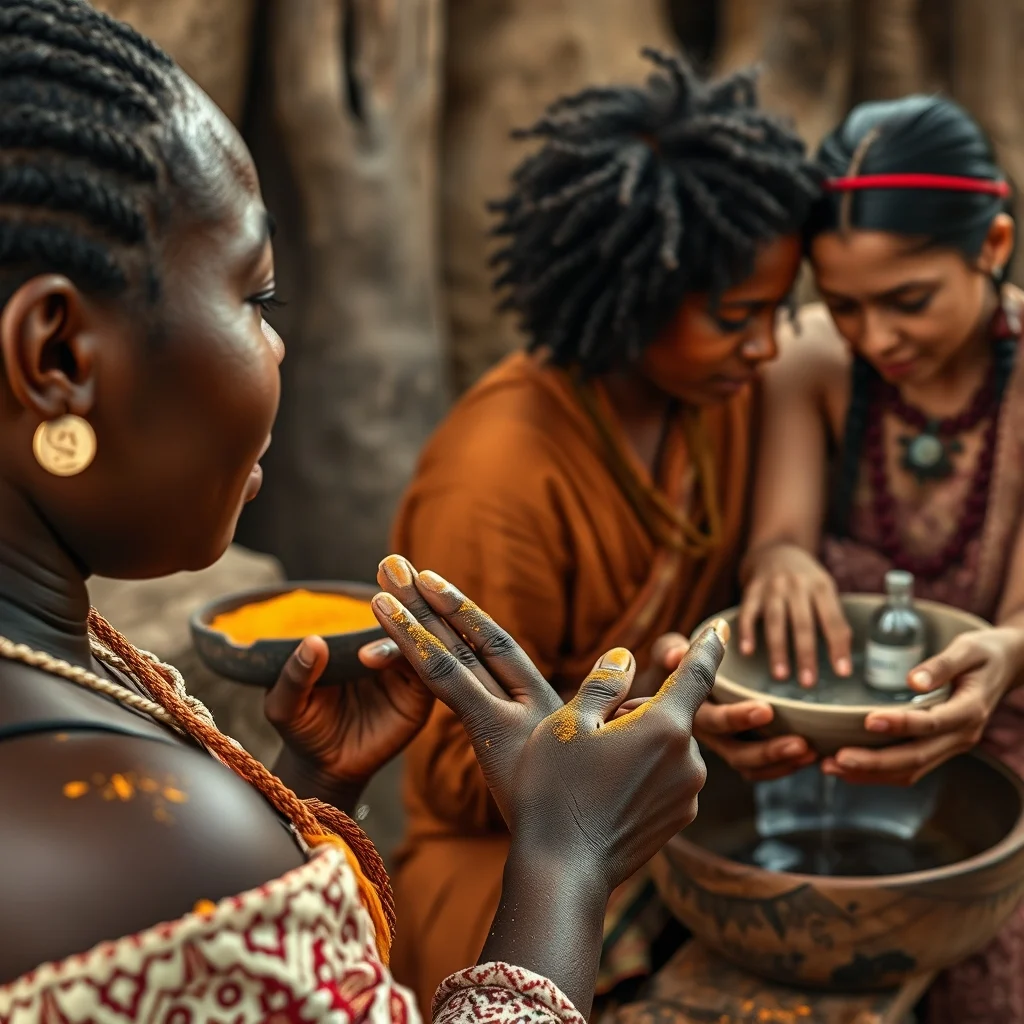
Ancestral skincare rituals have been integral to cultural identity and wellness for millennia. In West Africa, the use of shea butter for moisturizing and healing dates back to the 14th century, with evidence of its trade along trans-Saharan routes. Similarly, Ayurvedic skincare in India, which incorporates ingredients like neem, turmeric, and sandalwood, has been documented in texts such as the Charaka Samhita (circa 300 BCE). Indigenous communities in the Americas have long utilized clay, aloe vera, and botanical extracts for sun protection, wound healing, and ceremonial purposes. These practices were not merely cosmetic; they were embedded in spiritual, medicinal, and social frameworks.
Colonialism and globalization disrupted many of these traditions. European beauty standards, which privileged lighter skin and specific facial features, were imposed on colonized populations, leading to the marginalization of indigenous practices. By the 20th century, Western skincare dominated global markets, often erasing or exoticizing non-European traditions. The resurgence of cultural roots skincare in the 21st century represents a counter-movement—a deliberate effort to reclaim and revalue these practices in the face of historical erasure.
Key Milestones in the Revival of Ancestral Skincare
- 1990s: Early academic research begins documenting Indigenous and African skincare traditions, though largely within anthropological rather than commercial contexts.
- 2006: The launch of SheaMoisture, a brand that explicitly centers African heritage in its marketing and product development, marks a turning point in the commercialization of cultural skincare.
- 2015: The #MelaninPoppin movement gains traction on social media, celebrating dark skin and encouraging the use of heritage-inspired beauty products.
- 2018: The global clean beauty market reaches $11 billion, with heritage brands capturing a growing share of the segment.
- 2020: The murder of George Floyd and subsequent Black Lives Matter protests accelerate demand for Black-owned beauty brands, many of which emphasize cultural roots skincare.
- 2023: The global market for heritage skincare is projected to grow at a compound annual growth rate (CAGR) of 8.5% through 2030, according to a report by Grand View Research.
The Mechanics of Cultural Roots Skincare
At its core, cultural roots skincare relies on botanical ingredients and techniques that have been validated by generations of use. Common ingredients include:
- Shea Butter: Sourced from the nuts of the shea tree (Vitellaria paradoxa), it is rich in fatty acids and vitamins A and E, making it a potent moisturizer and anti-inflammatory agent. A 2022 study published in the Journal of Cosmetic Dermatology found that shea butter improved skin barrier function by 25% in participants with dry skin.
- Turmeric: Used in Ayurvedic and Southeast Asian skincare, turmeric contains curcumin, a compound with antioxidant and anti-inflammatory properties. Clinical trials have demonstrated its efficacy in treating acne and hyperpigmentation.
- Clay: Indigenous communities in the Americas and Africa have long used bentonite and rhassoul clay for detoxification and exfoliation. Research in the International Journal of Dermatology (2021) confirmed that clay masks can reduce sebum production by up to 30%.
- Neem: A staple in Indian skincare, neem has antibacterial and antifungal properties. A 2020 study in BMC Complementary Medicine and Therapies found that neem oil was effective in treating eczema and psoriasis.
Modern brands are adapting these ingredients into formulations that meet contemporary safety and efficacy standards. For example, SheaMoisture’s products undergo third-party testing to ensure they are free from harmful chemicals like parabens and sulfates, while still retaining the cultural significance of their ingredients. However, the commercialization of these traditions has also sparked debates about intellectual property and ethical sourcing. In 2021, the New York Times reported on disputes between Indigenous communities and corporations over the patenting of traditional botanical knowledge, highlighting the need for equitable partnerships.
Quantitative Data and Market Dynamics
The global market for heritage-inspired skincare is expanding rapidly. According to a 2023 report by NielsenIQ, 62% of Black consumers in the U.S. actively seek out beauty products that cater to their specific skin needs, with 45% prioritizing brands that celebrate their cultural heritage. Similarly, a survey by Mintel found that 58% of Asian consumers in the U.K. prefer skincare products that incorporate traditional ingredients from their culture.
The following table compares the market growth of heritage skincare to the broader beauty industry:
| Segment | 2020 Market Size (USD Billion) | 2023 Market Size (USD Billion) | Projected 2030 Market Size (USD Billion) | CAGR (2023-2030) |
|---|---|---|---|---|
| Global Beauty Industry | 511 | 571 | 716 | 3.5% |
| Heritage Skincare | 8.2 | 12.4 | 25.1 | 8.5% |
| Clean Beauty (Including Heritage Brands) | 11.0 | 18.7 | 35.2 | 7.8% |
Despite this growth, challenges remain. A 2022 study by the Journal of Business Ethics found that 70% of heritage skincare brands struggle with supply chain transparency, particularly when sourcing ingredients from Indigenous communities. Additionally, the lack of standardized regulations for terms like “heritage,” “ancestral,” or “cultural” has led to greenwashing, where brands exploit cultural aesthetics without genuine engagement with the traditions they claim to represent.
Systemic Impacts and Stakeholder Perspectives
The resurgence of cultural roots skincare has far-reaching implications, touching on issues of identity, economics, and social justice. For consumers, these products offer a way to connect with their heritage while addressing specific dermatological needs, such as hyperpigmentation or sensitivity, that are often overlooked by mainstream brands. “Cultural roots skincare is not just about beauty; it’s about visibility,” says Dr. Michelle Henry, a dermatologist and founder of Skin & Scripts, a platform that educates consumers about melanin-rich skin. “When people see their traditions reflected in the products they use, it validates their identity and history.”
For Indigenous and marginalized communities, the commercialization of these traditions presents both opportunities and risks. On one hand, heritage brands can provide economic empowerment. For example, the Maasai Women’s Development Organization in Kenya has partnered with beauty brands to produce and sell Maasai-inspired skincare products, generating income for over 1,500 women. On the other hand, there are concerns about exploitation. “When corporations take our knowledge without permission or compensation, it’s a form of cultural theft,” argues Dr. Jessica Hernandez, an Indigenous scientist and author of Fresh Banana Leaves: Healing Indigenous Landscapes Through Indigenous Science. “We need legal frameworks to protect our intellectual property.”
Beauty corporations, meanwhile, are navigating a complex landscape. Multinational companies like Unilever and L’Oréal have launched heritage-inspired product lines, such as Unilever’s SheaMoisture acquisition and L’Oréal’s Kérastase Fusio-Dose treatments, which incorporate Ayurvedic ingredients. However, these moves have been met with skepticism. “Big brands often treat cultural traditions as trends, not as living practices,” says Bolaji Oyejide, founder of the heritage skincare brand BeautyStack. “There’s a difference between inspiration and appropriation.”
Academic researchers are playing a crucial role in bridging the gap between tradition and science. Institutions like the University of Cape Town’s Skin Research Lab and the Indian Institute of Science are conducting clinical trials to validate the efficacy of ancestral ingredients. “Our goal is to provide evidence-based support for these practices,” explains Dr. Ncoza Dlova, a dermatologist at the University of KwaZulu-Natal. “When we can prove that these ingredients work, it helps legitimize them in the eyes of the global market.”
The regulatory environment is also evolving. In 2023, the European Union introduced stricter guidelines for claims related to “natural” and “heritage” products, requiring brands to provide substantiation for their marketing. Similarly, the World Intellectual Property Organization (WIPO) has begun exploring frameworks to protect traditional knowledge, though progress has been slow. “The challenge is balancing innovation with respect,” notes WIPO Director General Daren Tang. “We need systems that allow for commercialization while ensuring that communities retain control over their heritage.”
The future of cultural roots skincare will be shaped by several pending variables. Upcoming regulatory milestones, such as the U.S. Food and Drug Administration’s (FDA) review of botanical drug development guidelines, could impact how heritage ingredients are classified and marketed. Additionally, the growing influence of Gen Z consumers, who prioritize authenticity and ethical sourcing, may push brands to adopt more transparent and equitable practices. Meanwhile, ongoing research into the dermatological benefits of ancestral ingredients could further legitimize these traditions in the eyes of mainstream science. As the movement continues to evolve, its success will depend on whether it can preserve the integrity of cultural practices while adapting to the demands of a globalized market.
You may also like
-
The Comprehensive Dynamics of Melanin Ritual Skincare: Science, Routines, and Equity for Medium to Dark Skin Tones in 2025
-
The Comprehensive Framework for Melanin-Conscious Skincare: Evidence-Based Strategies for Hyperpigmentation, Brightening, and Barrier Resilience
-
The Global Resurgence of Ancestral Melanin Care: Tradition, Science, and Identity in Contemporary Skincare
-
The Essential Components of Melanin Ritual Skincare: A 2025 Breakdown of Dark Skin Radiance, Formulation Science, and Dermatological Precision for Rich Complexions
-
Sustainable Fashion: How the Industry is Shifting Toward Ethical and Eco-Friendly Practices