In the past decade, a quiet but profound transformation has reshaped the global beauty industry. From Accra to Atlanta, Mumbai to Melbourne, communities with rich melanin complexions have reclaimed ancestral skincare rituals, merging generational wisdom with modern dermatological science. This movement, often termed “cultural identity skincare,” transcends mere cosmetic trends. It represents a deliberate effort to center melanin-rich skin in beauty narratives, challenge Eurocentric standards, and preserve heritage practices threatened by globalization. The phenomenon gained momentum in 2018, when the global market for melanin-targeted skincare products surpassed $3.2 billion, according to a McKinsey & Company report. By 2023, that figure had nearly doubled, driven by demand in Africa, the Caribbean, and diaspora communities in North America and Europe. The surge reflects a broader cultural reckoning: as societies grapple with racial identity, representation, and decolonization, skincare has emerged as both a tool of empowerment and a battleground for authenticity.
The Scope and Stakes of Cultural Identity Skincare
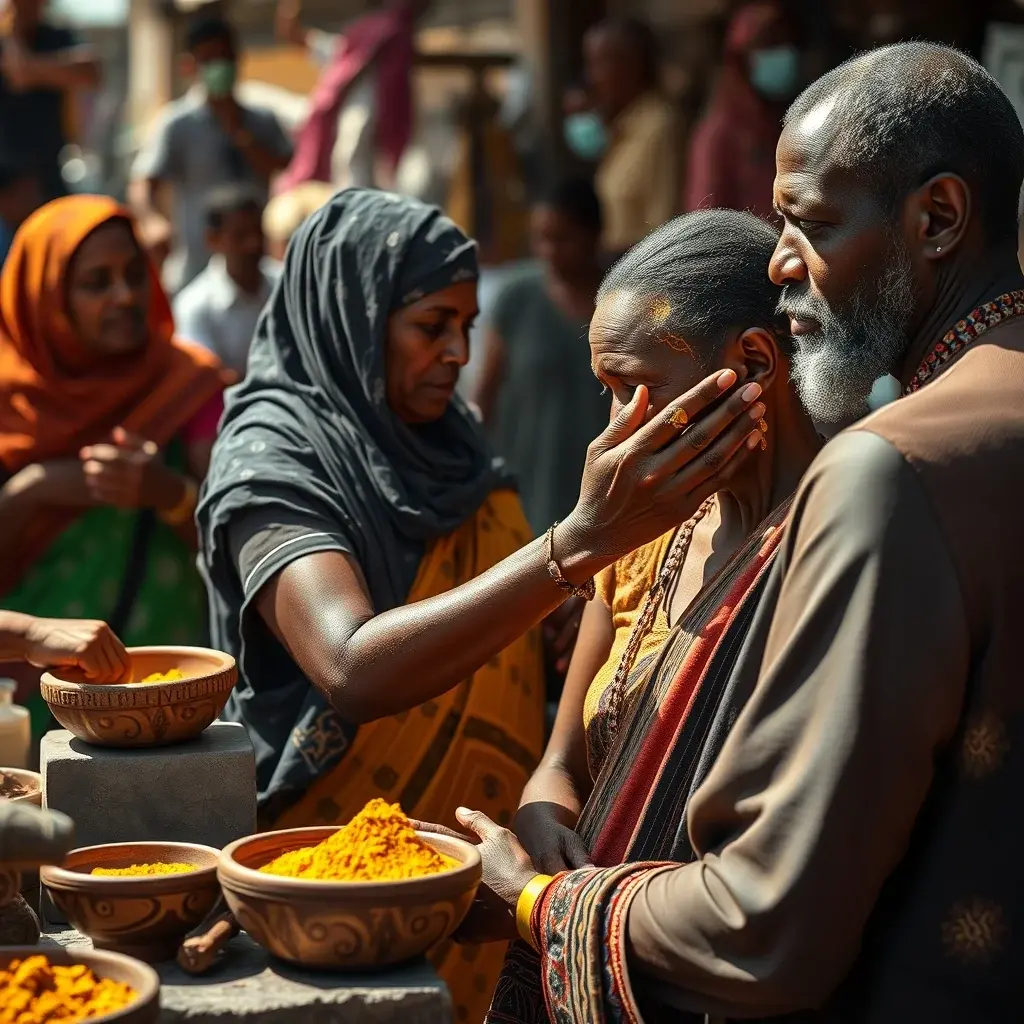
Cultural identity skincare encompasses a spectrum of practices, from Indigenous Australian sandalwood oil treatments to West African shea butter rituals, South Asian turmeric masks, and Afro-Latinx cocoa butter traditions. These routines are not monolithic; they vary by region, ethnicity, and historical influence. What unites them is their role in affirming identity, resisting colorism, and addressing the unique dermatological needs of melanin-rich skin. Darker skin tones are more prone to hyperpigmentation, keloid scarring, and sun damage, yet until recently, clinical research and product development overwhelmingly catered to lighter complexions. A 2020 study published in the Journal of the American Academy of Dermatology found that only 4.5% of images in dermatology textbooks featured dark skin, a statistic that underscores the systemic erasure of melanin-specific care.
The stakeholders in this space are diverse. They include:
- Indigenous communities, who view skincare as an extension of cultural preservation. For example, the Māori of New Zealand incorporate harakeke (flax) into healing balms, a practice passed down for centuries.
- Dermatologists and scientists, who are increasingly validating traditional remedies. Research from the University of Lagos confirmed that African black soap, used for generations to treat acne and eczema, contains antimicrobial properties comparable to benzoyl peroxide.
- Beauty brands, both legacy and indie, racing to meet demand. Brands like SheaMoisture and Fenty Skin have positioned themselves as allies, though critics argue their commercialization risks diluting cultural significance.
- Activists and educators, who frame skincare as a form of resistance. Organizations like Dark is Beautiful in India and Melanin People in the U.S. advocate for inclusive beauty standards and challenge harmful stereotypes.
Historical Roots and Modern Revival
The resurgence of cultural identity skincare is not a new phenomenon but a revival. For millennia, communities of color developed sophisticated skincare systems tailored to their environments. A timeline of key developments illustrates this evolution:
- Pre-1500s: Indigenous civilizations in Mesoamerica use aloe vera and cocoa butter for hydration and sun protection. In West Africa, women apply shea butter to protect skin from the Sahel’s harsh climate.
- 16th–19th centuries: The transatlantic slave trade disrupts African skincare traditions, though enslaved people preserve knowledge through oral histories. In India, Ayurvedic texts like the Charaka Samhita (circa 300 BCE) document turmeric and neem as anti-inflammatory agents.
- Early 20th century: Colonialism and globalization erode traditional practices. European beauty standards, disseminated through media and education, associate fair skin with superiority. Skin-lightening products, often containing toxic ingredients like mercury, gain popularity in Asia and Africa.
- 1960s–1980s: Civil rights and Black Power movements in the U.S. spark a renaissance of natural hair and skincare. Brands like Johnson Products (founded 1954) and SoftSheen (1964) cater to Black consumers, though their marketing still often emphasizes assimilation.
- 2000s–present: Social media democratizes access to traditional knowledge. Platforms like YouTube and Instagram become hubs for sharing ancestral remedies. The #MelaninPoppin movement, which began in 2016, celebrates dark skin and inspires a wave of melanin-centric brands.
Science and Skepticism: Validating Tradition
The intersection of ancestral wisdom and modern science is where cultural identity skincare gains credibility—and faces scrutiny. Dermatologists and ethnobotanists are increasingly studying traditional ingredients, with mixed results. A 2021 meta-analysis in Phytotherapy Research reviewed 50 studies on 15 Indigenous skincare ingredients, finding that 60% demonstrated measurable benefits, such as anti-inflammatory or antioxidant properties. However, 20% showed no significant effects, and 20% lacked sufficient data.
Dr. Adebola Ogunbiyi, a dermatologist at the University of Ibadan in Nigeria, emphasizes the need for rigorous research. “Many of these remedies are effective, but we must separate folklore from fact,” she says. “For example, while turmeric has proven anti-inflammatory properties, its use in high concentrations can cause irritation or even worsen hyperpigmentation.” Ogunbiyi’s team is currently studying the efficacy of Aframomum melegueta, a West African spice used to treat keloids, with preliminary results showing promise.
Skepticism also arises from the commercialization of cultural practices. Some brands have faced backlash for appropriating Indigenous knowledge without credit or compensation. In 2022, a controversy erupted when a U.S.-based company trademarked the term “African black soap,” a generic name for a product used across West Africa for centuries. The incident sparked a debate about intellectual property rights and the ethics of profiting from cultural heritage.
Quantifying the Movement: Data and Market Trends
The economic and social impact of cultural identity skincare is measurable. Below is a snapshot of key statistics:
| Metric | 2018 | 2023 | Projected 2028 | Source |
|---|---|---|---|---|
| Global melanin-targeted skincare market value | $3.2B | $6.1B | $12.4B | McKinsey & Company (2023) |
| Percentage of global skincare launches targeting melanin-rich skin | 8% | 22% | 35% | Mintel (2023) |
| Social media mentions of #MelaninSkincare (annual) | 1.2M | 4.7M | N/A | Brandwatch (2023) |
| Percentage of dermatology clinical trials including diverse skin tones | 12% | 28% | N/A | JAMA Dermatology (2022) |
Geographically, the movement is most pronounced in regions with large populations of color. Africa leads in market growth, with a 15% annual increase in melanin-targeted skincare sales, followed by North America (12%) and Asia (9%). The Caribbean, though smaller in market size, has seen a 20% surge in demand for heritage-inspired products, driven by a renewed interest in Afro-Caribbean traditions.
Systemic Impacts: Beyond the Beauty Counter
The implications of cultural identity skincare extend far beyond personal grooming. The movement has catalyzed shifts in education, policy, and media representation. In 2021, the American Academy of Dermatology launched the Skin of Color Society to address disparities in dermatological care. Medical schools, including Harvard and Johns Hopkins, have revised their curricula to include more training on melanin-rich skin conditions. Meanwhile, mainstream media has begun to feature darker-skinned models in beauty campaigns, though progress remains uneven. A 2023 report by The Fashion Spot found that only 32% of beauty advertisements featured models of color, up from 18% in 2018.
Economically, the movement has created opportunities for small businesses and entrepreneurs. In Ghana, the Shea Butter Cooperative Union employs over 60,000 women, many of whom are the primary breadwinners in their households. Similarly, in India, the revival of Ayurvedic skincare has boosted rural economies, with farmers cultivating turmeric and neem for export. However, challenges persist. Many small producers lack access to capital or fair trade certifications, leaving them vulnerable to exploitation by larger corporations.
Stakeholder Perspectives: Unity and Division
The cultural identity skincare movement is not without its tensions. Stakeholders often clash over issues of authenticity, commercialization, and representation. Below are key perspectives from diverse voices:
Dr. Jessica Clemons, Dermatologist and Founder of Brown Skin Derm (U.S.):
“We’re seeing a long-overdue correction in dermatology. For too long, the default patient was white, and the default treatment was designed for them. But we must ensure that this movement doesn’t become another trend. It’s not enough to sell shea butter; brands must invest in clinical research and education to truly serve melanin-rich skin.”
Ngozi Okaro, Founder of Custom Collaborative (Nigeria/U.S.):
“The commercialization of our traditions is a double-edged sword. On one hand, it validates our knowledge. On the other, it risks turning sacred practices into commodities. We need policies that protect Indigenous intellectual property and ensure that communities benefit from their own heritage.”
Priya Patel, Beauty Influencer and Founder of Melanin Magic (U.K.):
“Social media has been a game-changer. For the first time, people with dark skin can see themselves represented in beauty content. But we also see brands jumping on the bandwagon without understanding the culture. It’s not just about selling products; it’s about respecting the history behind them.”
Dr. Carlos Rivera, Ethnobotanist at the University of Puerto Rico:
“The scientific community is finally recognizing the value of traditional knowledge. But we must approach this work with humility. Indigenous communities are not just sources of data; they are partners in research. Ethical collaborations require consent, credit, and compensation.”
These perspectives highlight the movement’s complexity. While there is broad agreement on the need for inclusivity and representation, debates persist over how to achieve these goals without exploiting the very communities the movement seeks to uplift.
The future of cultural identity skincare hinges on several unresolved variables. Regulatory bodies, such as the U.S. Food and Drug Administration and the European Commission, are beginning to scrutinize claims made by melanin-targeted brands, particularly regarding sun protection and hyperpigmentation treatments. In 2024, the FDA is expected to release updated guidelines for sunscreen testing on diverse skin tones, a move that could reshape the industry. Meanwhile, the World Intellectual Property Organization is exploring frameworks to protect Indigenous knowledge from exploitation, though progress has been slow. Market catalysts, such as the growing influence of Gen Z consumers—who prioritize authenticity and social responsibility—will likely accelerate demand for heritage-inspired products. However, the movement’s long-term sustainability depends on whether it can balance commercial success with cultural integrity, ensuring that the reclaiming of melanin-centric beauty remains rooted in its original purpose: empowerment, identity, and healing.
You may also like
-
The Comprehensive Dynamics of Melanin Ritual Skincare: Science, Routines, and Equity for Medium to Dark Skin Tones in 2025
-
The Comprehensive Framework for Melanin-Conscious Skincare: Evidence-Based Strategies for Hyperpigmentation, Brightening, and Barrier Resilience
-
The Global Resurgence of Ancestral Melanin Care: Tradition, Science, and Identity in Contemporary Skincare
-
The Essential Components of Melanin Ritual Skincare: A 2025 Breakdown of Dark Skin Radiance, Formulation Science, and Dermatological Precision for Rich Complexions
-
Sustainable Fashion: How the Industry is Shifting Toward Ethical and Eco-Friendly Practices