
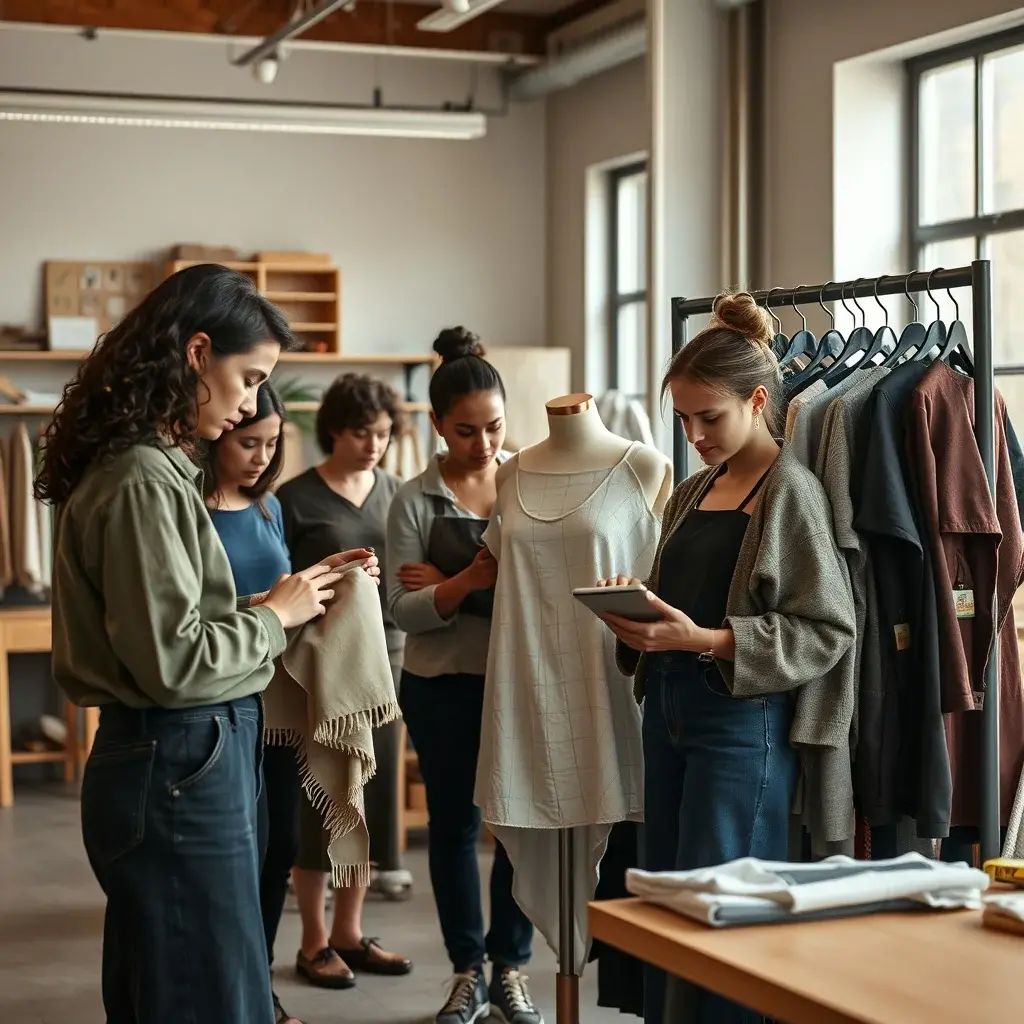
In a world grappling with climate change and environmental degradation, the fashion industry—responsible for 10% of global carbon emissions and 20% of wastewater—is undergoing a radical transformation. Sustainable fashion, a movement prioritizing ethical production, eco-friendly materials, and circular economies, has surged into the mainstream, driven by consumer demand, regulatory pressures, and corporate accountability. As of 2024, brands from luxury houses like Stella McCartney to fast-fashion giants such as H&M are adopting sustainable practices, while global initiatives like the Fashion Industry Charter for Climate Action aim to halve emissions by 2030. This shift is not just a trend but a necessity, reshaping how clothing is designed, produced, and consumed.
What Is Sustainable Fashion?
Sustainable fashion refers to clothing, footwear, and accessories designed, manufactured, distributed, and used in ways that minimize environmental impact and uphold social responsibility. Unlike conventional fashion, which often relies on exploitative labor and resource-intensive processes, sustainable fashion emphasizes transparency, durability, and ethical sourcing. Key principles include using organic or recycled materials, reducing water and energy consumption, and ensuring fair wages and safe working conditions for laborers.
The term gained traction in the early 2000s as environmental activists and industry insiders highlighted the fashion sector’s role in pollution and waste. Today, it encompasses a spectrum of practices, from upcycling and slow fashion to biodegradable fabrics and zero-waste production. According to a 2023 report by McKinsey & Company, 67% of consumers now consider sustainability when purchasing apparel, signaling a permanent shift in industry standards.
The Environmental and Social Costs of Fast Fashion
Fast fashion, characterized by rapid production cycles and low-cost garments, has dominated the industry for decades. However, its environmental toll is staggering. The Ellen MacArthur Foundation estimates that one garbage truck of textiles is landfilled or burned every second, contributing to 92 million tons of waste annually. Polyester, a petroleum-based fabric, accounts for 52% of global fiber production and sheds microplastics that contaminate oceans and waterways.
Socially, fast fashion has been linked to labor abuses, including child labor and unsafe working conditions. The 2013 Rana Plaza collapse in Bangladesh, which killed over 1,100 garment workers, exposed the human cost of cheap clothing. Since then, organizations like the Clean Clothes Campaign have pushed for systemic change, advocating for living wages and workplace safety reforms.
How Brands Are Embracing Sustainability
Leading brands are adopting innovative strategies to reduce their ecological footprint. Patagonia, a pioneer in sustainable fashion, uses recycled materials for 68% of its fabrics and offers a repair program to extend garment lifespans. In 2022, the company pledged 1% of sales to environmental causes, totaling over $140 million in donations since 1985.
Luxury brands are also making strides. Gucci’s parent company, Kering, committed to becoming carbon-neutral across its supply chain by 2025, while Prada’s Re-Nylon initiative replaces virgin nylon with regenerated ECONYL® fiber. “Sustainability is no longer optional; it’s a business imperative,” said Marie-Claire Daveu, Chief Sustainability Officer at Kering, in a 2023 interview with Vogue Business.
Fast-fashion retailers are following suit. Zara’s parent company, Inditex, announced plans to use 100% sustainable fabrics by 2025, while H&M’s garment recycling program has collected over 18,000 tons of textiles since 2013. However, critics argue these efforts often amount to “greenwashing,” where brands exaggerate their sustainability claims without substantive change.
Innovations Driving the Sustainable Fashion Movement
Technological advancements are accelerating the transition to sustainable fashion. Biofabrication, which uses lab-grown materials like mushroom leather and algae-based dyes, is gaining traction. Bolt Threads, a biotech company, partnered with Stella McCartney to create a dress made from lab-grown spider silk in 2017, showcasing the potential of alternative materials.
Blockchain technology is enhancing supply chain transparency. Platforms like Provenance enable brands to track raw materials from farm to finished product, ensuring ethical sourcing. In 2021, luxury brand LVMH launched AURA, a blockchain system to verify the authenticity and sustainability of its products.
Consumer behavior is also evolving. The rise of rental and resale platforms, such as Rent the Runway and ThredUp, reflects a growing preference for circular fashion. ThredUp’s 2023 Resale Report projects the secondhand market will reach $77 billion by 2025, nearly doubling in size from 2021.
Challenges and the Road Ahead
Despite progress, sustainable fashion faces significant hurdles. High production costs, limited access to sustainable materials, and consumer resistance to higher prices remain barriers. A 2022 survey by NielsenIQ found that while 66% of global consumers are willing to pay more for sustainable goods, only 26% actually do so.
Regulatory pressures are increasing. The European Union’s Textiles Strategy, introduced in 2022, mandates extended producer responsibility (EPR) and bans the destruction of unsold textiles. Similar policies are emerging in the U.S., with California’s Garment Worker Protection Act, enacted in 2021, setting new labor standards.
“The fashion industry must move beyond incremental change,” said Orsola de Castro, co-founder of Fashion Revolution, in a 2023 statement. “True sustainability requires systemic transformation, from design to disposal.”
How Consumers Can Support Sustainable Fashion
Individuals play a crucial role in driving demand for sustainable fashion. Simple actions, such as buying less, choosing quality over quantity, and supporting ethical brands, can collectively reduce the industry’s environmental impact. The “30 wears” rule, popularized by Livia Firth, encourages consumers to purchase items they will wear at least 30 times, promoting mindful consumption.
Thrifting, swapping, and repairing clothing are effective ways to extend garment lifespans. According to the Environmental Protection Agency (EPA), reusing just one pound of clothing saves 3,000 gallons of water. Apps like Depop and Poshmark facilitate peer-to-peer resale, making sustainable fashion more accessible.
Education is key. Resources like the Good On You app rate brands on their ethical and environmental practices, empowering consumers to make informed choices. As awareness grows, the collective power of consumers will continue to shape a more sustainable future for fashion.
You may also like
-
The Comprehensive Dynamics of Melanin Ritual Skincare: Science, Routines, and Equity for Medium to Dark Skin Tones in 2025
-
The Comprehensive Framework for Melanin-Conscious Skincare: Evidence-Based Strategies for Hyperpigmentation, Brightening, and Barrier Resilience
-
The Global Resurgence of Ancestral Melanin Care: Tradition, Science, and Identity in Contemporary Skincare
-
The Essential Components of Melanin Ritual Skincare: A 2025 Breakdown of Dark Skin Radiance, Formulation Science, and Dermatological Precision for Rich Complexions
-
The Modern Paradigm of Melanin Ritual Skincare: A 2025 Examination of Formulations, Efficacy, and Dermatological Equity for Medium to Deep Skin Tones