In the past decade, the global beauty industry has witnessed a significant shift toward the reclamation and celebration of melanin-rich skin through culturally rooted skincare practices. This movement, spanning continents and generations, intersects with dermatological science, economic trends, and social identity. It involves a diverse array of stakeholders—from indigenous communities in West Africa and the Pacific Islands to urban consumers in North America and Europe—who are reviving, adapting, and commercializing ancestral beauty rituals. The resurgence of these practices, often termed Cultural Melanin Rituals, has accelerated since 2015, coinciding with the rise of the #MelaninPoppin and #BlackGirlMagic movements, which amplified visibility for dark-skinned individuals in mainstream media. According to a 2023 report by McKinsey & Company, the global market for heritage-inspired skincare products reached $4.2 billion, with a projected annual growth rate of 8.5% through 2030. This phenomenon is not merely a trend but a systemic response to historical erasure, colonial beauty standards, and the demand for products that cater to the unique needs of melanin-rich skin.
The Scope and Stakes of Cultural Melanin Rituals
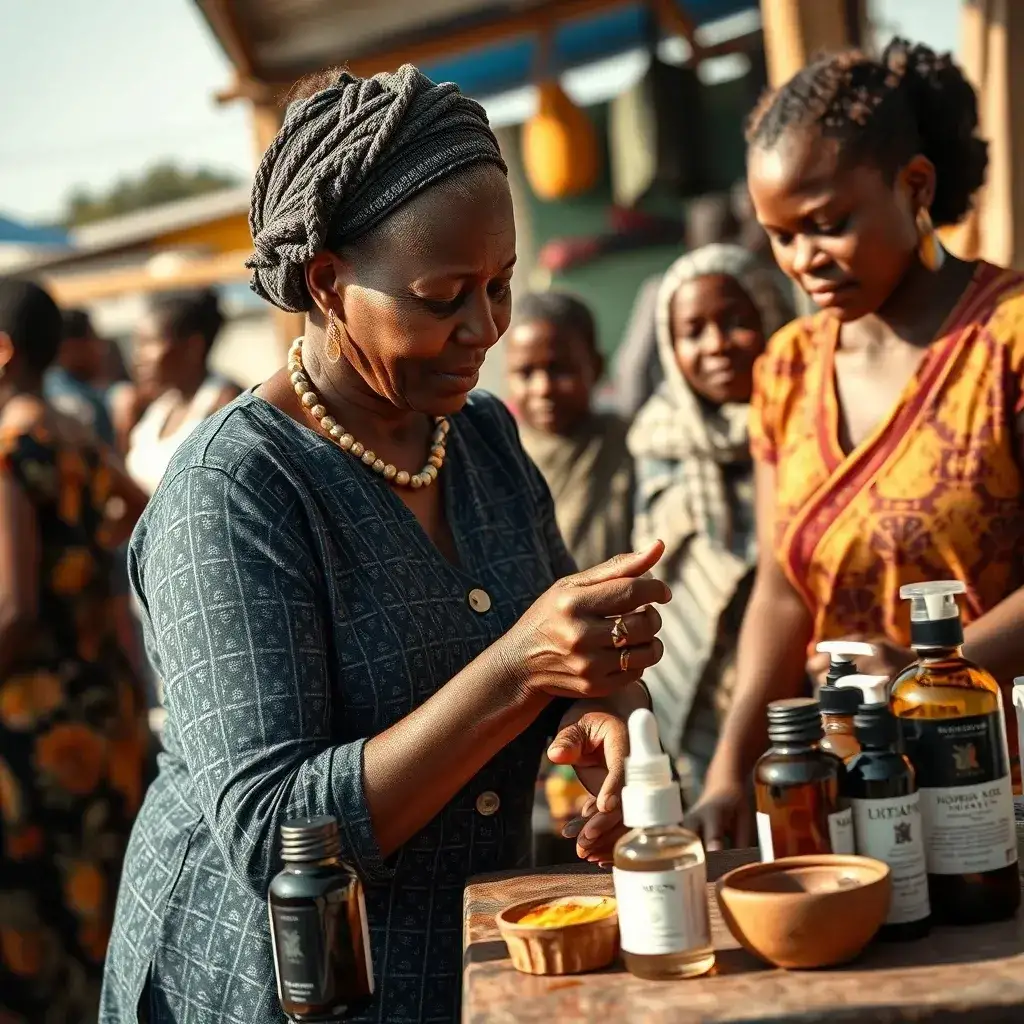
Cultural Melanin Rituals encompass a broad spectrum of practices, from the use of shea butter in Ghanaian communities to the application of turmeric and sandalwood in Indian bridal ceremonies. These rituals are deeply embedded in cultural identity, serving as rites of passage, spiritual practices, and markers of communal belonging. The modern iteration of these rituals, however, extends beyond tradition. It includes the scientific validation of ancestral ingredients, the development of melanin-specific skincare formulations, and the ethical debates surrounding cultural appropriation versus appreciation. Key stakeholders include indigenous knowledge holders, dermatologists specializing in skin of color, beauty brands, and consumers who seek both efficacy and cultural resonance in their skincare routines. The tension between preservation and commercialization remains a central challenge, as brands navigate the fine line between honoring heritage and exploiting it for profit.
Historical Context: From Ancestral Wisdom to Modern Revival
The roots of Cultural Melanin Rituals trace back centuries, with practices documented in ancient civilizations across Africa, Asia, and the Americas. A timeline of key developments illustrates their evolution:
- Pre-15th Century: Indigenous communities in sub-Saharan Africa, such as the Yoruba and Akan, used natural ingredients like black soap, shea butter, and baobab oil for skincare and spiritual protection. In India, the Haldi ceremony, involving turmeric paste, became a staple in bridal rituals for its purifying and brightening properties.
- 16th–19th Century: Colonialism disrupted these traditions, as European beauty standards were imposed on colonized populations. The transatlantic slave trade further severed African diasporic communities from their ancestral practices, though some rituals survived through oral traditions.
- 20th Century: The Civil Rights and Black Power movements of the 1960s and 1970s sparked a renaissance of cultural pride, leading to the re-emergence of melanin-centric beauty practices. Brands like Johnson Products (founded in 1954) and later, SheaMoisture (founded in 1991), began commercializing heritage ingredients for a broader market.
- 21st Century: The digital age democratized access to ancestral knowledge, with social media platforms enabling the global exchange of skincare rituals. A 2020 study by Nielsen reported that 68% of Black consumers in the U.S. actively sought out products with natural or heritage-inspired ingredients, reflecting a growing demand for authenticity.
Operational Mechanics: How Cultural Melanin Rituals Function Today
Modern Cultural Melanin Rituals operate at the intersection of tradition and innovation. Indigenous ingredients are now subjected to clinical testing to validate their efficacy, while brands incorporate them into formulations tailored to melanin-rich skin. For example, shea butter, traditionally used in West Africa for its moisturizing properties, is now a key ingredient in products designed to combat hyperpigmentation—a common concern for darker skin tones. Similarly, moringa oil, used in Nigerian skincare rituals, has been scientifically proven to possess anti-inflammatory and antioxidant benefits, making it a staple in modern melanin-centric skincare lines.
Brands like Black Girl Sunscreen and Briogeo exemplify this fusion of heritage and science. Black Girl Sunscreen, founded in 2016, addresses the lack of sunscreen options for melanin-rich skin by creating formulations that do not leave a white cast. The brand reported a 300% increase in sales between 2020 and 2022, reflecting the growing demand for inclusive products. Meanwhile, Briogeo, which incorporates heritage ingredients like rice water and biotin, has expanded its reach to over 30 countries, demonstrating the global appeal of culturally rooted skincare.
Quantitative Data: Market Trends and Consumer Behavior
The economic and social impact of Cultural Melanin Rituals is substantiated by empirical data. The following table highlights key statistics from recent industry reports:
| Metric | Data Point | Source |
|---|---|---|
| Global market size for heritage-inspired skincare (2023) | $4.2 billion | McKinsey & Company, 2023 |
| Projected annual growth rate (2023–2030) | 8.5% | McKinsey & Company, 2023 |
| Percentage of Black consumers seeking natural/heritage ingredients (U.S.) | 68% | Nielsen, 2020 |
| Increase in sales for Black Girl Sunscreen (2020–2022) | 300% | Company Reports, 2022 |
| Number of countries with Briogeo distribution | 30+ | Briogeo Annual Report, 2023 |
Consumer behavior further underscores the significance of these rituals. A 2021 survey by Mintel revealed that 54% of Black women in the U.S. prioritize skincare products that align with their cultural identity, while 42% actively seek out brands founded by people of color. This shift is not limited to the U.S.; in the U.K., the market for melanin-centric skincare grew by 15% in 2022, driven by demand from South Asian and Afro-Caribbean communities.
Systemic Impacts: Identity, Equity, and Industry Transformation
The resurgence of Cultural Melanin Rituals has far-reaching implications for identity, equity, and the beauty industry. On one hand, it represents a form of cultural reclamation, allowing communities to assert agency over their narratives and challenge Eurocentric beauty standards. Dr. Michelle Henry, a dermatologist and clinical instructor at Harvard Medical School, notes, “The validation of melanin-centric skincare is not just about aesthetics; it’s about affirming the legitimacy of diverse skin types in a medical and cultural context. For centuries, dermatological research prioritized lighter skin, leaving darker-skinned individuals underserved. This movement is correcting that imbalance.”
However, the commercialization of these rituals has also sparked debates about exploitation. Indigenous communities, particularly in Africa and Latin America, have raised concerns about the unauthorized use of their traditional knowledge. In 2021, the African Union launched the African Traditional Knowledge Digital Library to document and protect indigenous practices from biopiracy. Dr. Aisha Beliso-De Jesús, a professor of African American Religions at Harvard Divinity School, emphasizes the ethical stakes: “When brands profit from ancestral knowledge without acknowledging or compensating the communities that preserved it, they perpetuate a cycle of extraction. True cultural appreciation requires collaboration, not commodification.”
The industry’s response has been mixed. Some brands, like SheaMoisture, have established fair-trade partnerships with cooperatives in Ghana and Burkina Faso, ensuring that local communities benefit from the commercialization of shea butter. Others, however, have faced criticism for performative inclusivity—using heritage ingredients as marketing tools without substantive engagement with the cultures they draw from. A 2022 report by the Journal of Business Ethics found that only 12% of beauty brands that market heritage-inspired products had formal partnerships with indigenous communities.
Stakeholder Perspectives: Competing Narratives and Future Directions
The discourse surrounding Cultural Melanin Rituals is shaped by diverse, often conflicting perspectives. For policymakers, the challenge lies in balancing innovation with protection. In 2023, the European Union introduced regulations requiring beauty brands to disclose the origins of their ingredients, a move aimed at curbing cultural appropriation. Meanwhile, industry leaders advocate for greater representation in research and development. Shontay Lundy, founder of Black Girl Sunscreen, states, “The beauty industry has a long history of excluding people of color from product development. When we create products for melanin-rich skin, we’re not just filling a gap; we’re redefining what beauty standards look like.”
Consumers, particularly younger generations, are driving demand for transparency and authenticity. A 2023 survey by Pew Research Center found that 72% of Gen Z consumers in the U.S. prioritize brands that align with their values, including cultural representation. This shift has prompted legacy brands like Estée Lauder and L’Oréal to acquire or partner with melanin-centric brands, such as Fenty Beauty and Pattern Beauty, to diversify their portfolios.
Indigenous knowledge holders, however, remain skeptical of these corporate efforts. Ngozi Opara, a Nigerian skincare researcher and founder of the African Beauty Collective, argues, “The beauty industry’s sudden interest in African ingredients is not about respect; it’s about profit. We need to see real investment in African scientists, farmers, and entrepreneurs, not just the extraction of our resources.”
The future of Cultural Melanin Rituals hinges on regulatory developments, consumer activism, and the industry’s willingness to address ethical concerns. Upcoming milestones include the implementation of the EU’s ingredient disclosure regulations in 2025 and the potential expansion of the African Union’s traditional knowledge database. Market catalysts, such as the growing influence of Gen Z consumers and the rise of e-commerce in Africa, will further shape the trajectory of this movement. As brands and communities navigate these dynamics, the line between cultural preservation and commercialization will continue to blur, raising critical questions about who benefits from the global embrace of melanin-centric beauty.
You may also like
-
The Comprehensive Dynamics of Melanin Ritual Skincare: Science, Routines, and Equity for Medium to Dark Skin Tones in 2025
-
The Comprehensive Framework for Melanin-Conscious Skincare: Evidence-Based Strategies for Hyperpigmentation, Brightening, and Barrier Resilience
-
The Global Resurgence of Ancestral Melanin Care: Tradition, Science, and Identity in Contemporary Skincare
-
The Essential Components of Melanin Ritual Skincare: A 2025 Breakdown of Dark Skin Radiance, Formulation Science, and Dermatological Precision for Rich Complexions
-
Sustainable Fashion: How the Industry is Shifting Toward Ethical and Eco-Friendly Practices