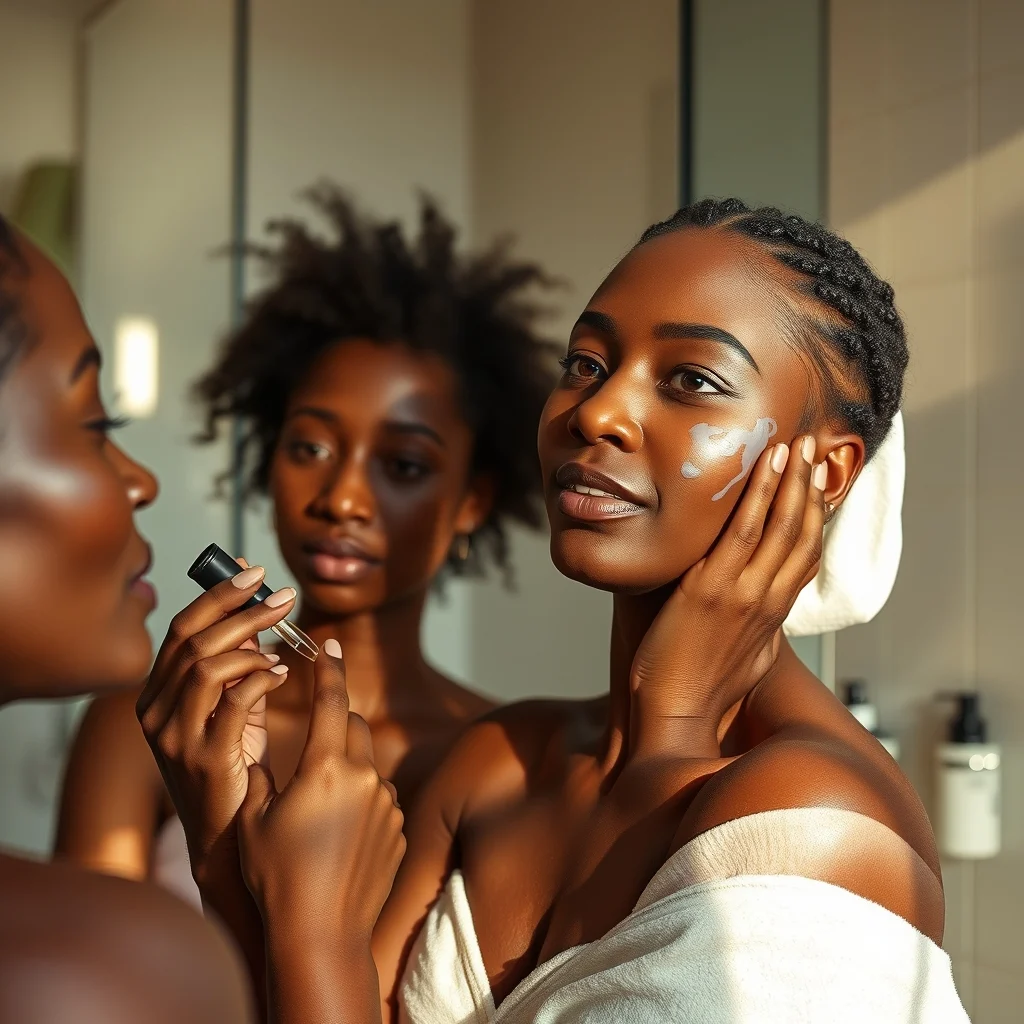
In 2025, the skincare industry has increasingly prioritized melanin ritual skincare, a specialized approach designed to address the unique needs of medium to dark skin tones. This movement responds to long-standing gaps in dermatological research, product formulation, and consumer education, where darker skin tones were often overlooked or subjected to one-size-fits-all solutions. The rise of dark skin radiance as a focal point reflects a broader shift toward inclusivity, driven by consumer demand, scientific advancements, and advocacy from dermatologists and skincare brands. Today, the market offers tailored solutions for hyperpigmentation treatment, hydrating dark skin, and anti-whitecast sunscreen, but challenges remain in accessibility, affordability, and consistent efficacy.
The current landscape of melanin-focused skincare is defined by three key developments: the proliferation of melanin magic skincare brands, the integration of evidence-based formulations, and the growing emphasis on evening ritual dark skin routines. These innovations aim to enhance flawless medium dark complexion while addressing concerns like uneven skin tone, moisture barrier disruption, and sun protection. However, the rapid expansion of the market has also led to misinformation, with some products making unverified claims about brightening melanin skin or fade dark spots without clinical backing. As a result, consumers and professionals alike are navigating a complex ecosystem where science, marketing, and cultural narratives intersect.
The Evolution of Melanin Ritual Skincare: From Marginalization to Mainstream
The historical context of skincare for medium to dark skin tones reveals a pattern of systemic neglect. For decades, dermatological research and product development were centered on lighter skin, leaving darker skin tones underserved. A 2018 study published in the Journal of the American Academy of Dermatology found that only 4.5% of images in dermatology textbooks depicted conditions on dark skin, highlighting the lack of representation in medical education. This gap extended to skincare formulations, where products often failed to account for the higher melanin content in darker skin, leading to issues like whitecast from sunscreens or ineffective chemical peels safe for melanin.
The turning point began in the early 2010s, as social media platforms amplified voices from communities of color, demanding better representation and products. Brands like Black Girl Sunscreen, launched in 2016, and Fenty Skin, introduced in 2020, disrupted the market by prioritizing sunscreen for rich skin tones and nourishing dark skin serum. By 2023, the global market for melanin-focused skincare was valued at $3.2 billion, with a projected compound annual growth rate (CAGR) of 8.7% through 2030, according to a report by Grand View Research. This growth reflects not only increased consumer spending but also a shift in industry priorities.
Key milestones in the evolution of melanin ritual skincare include:
- 2014: The #MelaninPoppin movement gains traction on Instagram, celebrating dark skin and challenging colorist beauty standards.
- 2017: The first anti-whitecast sunscreen formulations enter the U.S. market, addressing a long-standing complaint from consumers with deeper skin tones.
- 2019: A study in JAMA Dermatology reveals that 65% of women of color report dissatisfaction with skincare products marketed to them, prompting brands to invest in research and development.
- 2021: The FDA approves a new category of hyperpigmentation treatment specifically tested on Fitzpatrick skin types IV-VI, marking a regulatory milestone.
- 2024: The launch of the first gentle exfoliation melanin line clinically proven to reduce post-inflammatory hyperpigmentation (PIH) in medium to dark skin tones.
How Melanin Ritual Skincare Works: Science and Formulation
The science behind melanin ritual skincare revolves around three core principles: melanin protection, barrier reinforcement, and targeted treatment. Melanin, the pigment responsible for skin color, offers natural protection against UV radiation but also makes darker skin more prone to hyperpigmentation and uneven tone. Effective skincare for medium to dark skin tones must balance these factors while avoiding ingredients that can trigger irritation or worsen conditions like PIH.
Dr. Michelle Henry, a board-certified dermatologist and clinical instructor at Weill Cornell Medicine, explains: “Darker skin tones have a higher risk of developing hyperpigmentation due to the increased melanocyte activity. This means that even minor inflammation or trauma can lead to dark spots. The key is to use formulations that are both effective and gentle, avoiding harsh exfoliants or high concentrations of active ingredients that can disrupt the skin barrier.”
Key components of melanin-focused skincare formulations include:
- Hydrating Ingredients: Ceramides, hyaluronic acid, and squalane are essential for maintaining the dark skin moisture barrier, which is often compromised by environmental stressors and harsh products.
- Brightening Agents: Niacinamide, vitamin C, and licorice root extract are commonly used to fade dark spots and promote even skin tone without causing irritation.
- Sun Protection: Anti-whitecast sunscreen formulations use micronized zinc oxide or tinted bases to prevent the ashy residue that deters many people with darker skin from using sunscreen.
- Gentle Exfoliation: Lactic acid and mandelic acid are preferred over glycolic acid for gentle exfoliation melanin, as they have larger molecular sizes that penetrate the skin more slowly, reducing the risk of irritation.
A 2023 study published in the International Journal of Cosmetic Science found that products containing a combination of niacinamide and tranexamic acid reduced hyperpigmentation in 78% of participants with Fitzpatrick skin types IV-VI after 12 weeks of use. This data underscores the importance of evidence-based formulations in achieving rich melanin glow.
Routine Optimization: Crafting a Glow Routine for Medium Dark Skin
Developing an effective everyday dark skin care routine requires a tailored approach that addresses both preventive and corrective needs. Dermatologists recommend a multi-step regimen that prioritizes hydration, protection, and targeted treatment. Below is a framework for a glow routine medium dark skin, adapted from guidelines provided by the American Academy of Dermatology (AAD) and melanin-focused skincare experts.
Morning Routine
- Cleanser: Use a gentle, sulfate-free cleanser to remove impurities without stripping the skin. Look for ingredients like glycerin or aloe vera to maintain hydration.
- Toner (Optional): Alcohol-free toners with soothing ingredients like chamomile or green tea can help balance the skin’s pH.
- Serum: Apply a hydrating serum medium dark containing hyaluronic acid or vitamin B5 to plump the skin and prepare it for subsequent products.
- Treatment (Optional): For those targeting hyperpigmentation, a brightening serum with niacinamide or azelaic acid can be applied.
- Moisturizer: Choose a lightweight, non-comedogenic moisturizer to lock in hydration. Ingredients like ceramides and shea butter are ideal for reinforcing the dark skin moisture barrier.
- Sunscreen: Apply a broad-spectrum sunscreen for rich skin tones with an SPF of 30 or higher. Tinted or mineral-based options can help avoid whitecast.
Evening Routine
- Double Cleanse: Start with an oil-based cleanser to remove sunscreen and makeup, followed by a water-based cleanser to deep-clean pores.
- Exfoliation (2-3 times per week): Use a gentle exfoliation melanin product with lactic or mandelic acid to promote cell turnover without causing irritation.
- Treatment: Apply a targeted treatment for hyperpigmentation, such as a serum with tranexamic acid or retinol (introduced gradually to avoid irritation).
- Moisturizer: Opt for a richer moisturizer or sleeping mask to support overnight repair. Ingredients like peptides and squalane can enhance flawless medium dark complexion.
Dr. Jeanine Downie, a dermatologist and founder of Image Dermatology in New Jersey, emphasizes the importance of consistency: “The evening ritual dark skin is where the magic happens. Nighttime is when the skin repairs itself, so using products that support this process—like retinol or peptides—can make a significant difference in achieving a rich melanin glow.”
Quantitative Insights: Market Trends and Consumer Behavior
The melanin ritual skincare market has experienced rapid growth, driven by increasing consumer awareness and demand for inclusive products. A 2024 report by NielsenIQ revealed that sales of skincare products marketed to medium and dark skin tones grew by 22% year-over-year, outpacing the overall skincare market growth of 9%. This surge is attributed to several factors, including the rise of social media influencers, the expansion of melanin-focused brands, and the growing purchasing power of consumers of color.
The table below highlights key market trends and consumer preferences:
| Metric | 2022 Data | 2024 Data | Growth (%) |
|---|---|---|---|
| Global Market Value (USD Billions) | 2.8 | 3.7 | 32.1 |
| Consumer Spending on Hyperpigmentation Treatments | $850M | $1.2B | 41.2 |
| Demand for Anti-Whitecast Sunscreen | 45% of consumers | 68% of consumers | 51.1 |
| Social Media Mentions of #MelaninSkincare | 1.2M | 3.5M | 191.7 |
| Brand Launches Targeting Medium/Dark Skin Tones | 18 | 42 | 133.3 |
Despite this growth, challenges persist in product accessibility and affordability. A 2023 survey by the American Academy of Dermatology found that 62% of consumers with darker skin tones reported difficulty finding products that met their needs at drugstores or mass retailers. Additionally, 45% cited cost as a barrier to purchasing high-quality melanin-focused skincare. These disparities highlight the need for continued innovation and equitable distribution.
Stakeholder Perspectives: Balancing Innovation and Inclusivity
The melanin ritual skincare movement has sparked diverse perspectives among stakeholders, including dermatologists, brand founders, consumers, and policymakers. While there is consensus on the need for inclusive products, opinions vary on the best approaches to formulation, marketing, and regulation.
Dr. Adeline Kikam, a dermatologist and founder of @brownskinderm, advocates for greater education and transparency: “Many consumers with darker skin tones are still using products that aren’t formulated for their needs, either because they don’t know better or because they can’t access alternatives. Brands have a responsibility to educate their customers and ensure their products are backed by science.”
On the industry side, Shontay Lundy, founder of Black Girl Sunscreen, emphasizes the importance of representation in product development: “When I created Black Girl Sunscreen, I wanted to make sure that women of color saw themselves reflected in the product. It’s not just about the formulation; it’s about the messaging and the experience.”
Consumer perspectives also highlight the emotional and cultural significance of melanin ritual skincare. A 2024 focus group conducted by McKinsey & Company found that 78% of participants viewed their skincare routines as a form of self-care and empowerment. One participant noted, “Using products that are made for my skin tone makes me feel seen. It’s not just about looking good; it’s about feeling valued.”
However, some critics argue that the focus on melanin ritual skincare has led to market segmentation that could reinforce divisions. Dr. Susan Taylor, a dermatologist and founder of the Skin of Color Society, cautions: “While it’s important to address the unique needs of darker skin tones, we must be careful not to create a separate but unequal market. Skincare should be inclusive, not exclusionary.”
Pending Variables and Future Outlook
The future of melanin ritual skincare will be shaped by several pending variables, including regulatory developments, technological advancements, and shifts in consumer behavior. One of the most significant upcoming milestones is the FDA’s review of sunscreen monograph updates, which could expand the list of approved UV filters and improve formulations for sunscreen for rich skin tones. Additionally, the growing interest in chemical peels safe for melanin has prompted calls for standardized guidelines to ensure safety and efficacy across skin types.
Technological innovations, such as AI-driven skincare analysis and personalized formulations, are also poised to transform the market. Companies like Proven Skincare and Atolla are already using algorithms to create customized routines based on individual skin concerns, including hyperpigmentation and moisture barrier health. These advancements could make melanin ritual skincare more accessible and effective for a broader range of consumers.
Consumer demand for transparency and sustainability will continue to influence the industry. A 2024 survey by Mintel found that 67% of skincare consumers prioritize brands that disclose ingredient sourcing and environmental impact. This trend is likely to drive further innovation in clean, melanin-focused skincare formulations.
As the market evolves, the challenge will be to balance inclusivity with scientific rigor, ensuring that products deliver on their promises without perpetuating unrealistic beauty standards. For consumers, the key lies in staying informed, seeking evidence-based solutions, and advocating for products that truly meet their needs. The journey toward flawless medium dark complexion and rich melanin glow is ongoing, but the progress made thus far signals a promising shift toward a more inclusive and effective skincare landscape.
You may also like
-
The Comprehensive Dynamics of Melanin Ritual Skincare: Science, Routines, and Equity for Medium to Dark Skin Tones in 2025
-
The Comprehensive Framework for Melanin-Conscious Skincare: Evidence-Based Strategies for Hyperpigmentation, Brightening, and Barrier Resilience
-
The Global Resurgence of Ancestral Melanin Care: Tradition, Science, and Identity in Contemporary Skincare
-
The Essential Components of Melanin Ritual Skincare: A 2025 Breakdown of Dark Skin Radiance, Formulation Science, and Dermatological Precision for Rich Complexions
-
Sustainable Fashion: How the Industry is Shifting Toward Ethical and Eco-Friendly Practices