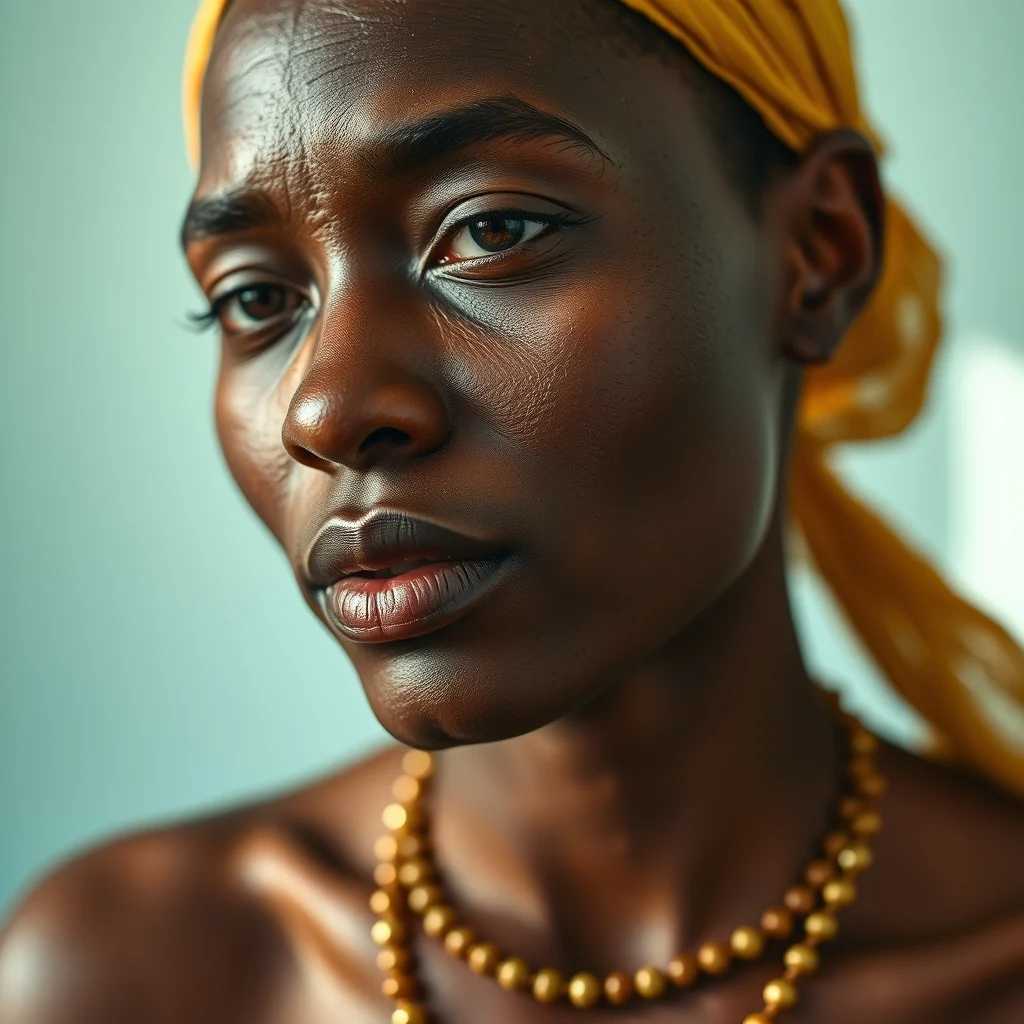
In 2024, the global beauty industry is witnessing a paradigm shift as heritage-inspired skincare practices, rooted in ancestral melanin care, gain unprecedented traction. This movement is not confined to niche markets; it spans continents, from the bustling markets of Lagos to the high-end boutiques of Seoul, and from the indigenous communities of the Amazon to the urban centers of New York and London. The resurgence is driven by a confluence of factors: a growing demand for culturally affirming beauty products, advancements in dermatological research validating traditional ingredients, and a broader societal reckoning with colonial legacies that have long marginalized non-Western beauty standards. At its core, this trend reflects a collective effort to reclaim and celebrate melanin-rich skin through rituals that are as much about identity as they are about aesthetics.
Executive Summary: The Who, What, When, Where, Why, and How
Who: The primary stakeholders in this movement include indigenous communities, diasporic populations, dermatologists, beauty brands, and consumers—particularly those with melanin-rich skin. Key players range from small-scale artisans preserving generational skin wisdom to multinational corporations integrating heritage ingredients into their product lines. Independent researchers, such as ethnobotanists and cultural anthropologists, also play a critical role in documenting and validating these practices.
What: Heritage-inspired beauty encompasses a spectrum of skincare rituals, ingredients, and philosophies passed down through generations. These include the use of shea butter in West Africa, turmeric in South Asia, and aloe vera in Latin America, among others. The movement extends beyond products to include holistic practices such as steam baths, clay masks, and sun protection methods tailored to melanin-rich skin.
When: While ancestral beauty rituals have existed for millennia, their modern resurgence gained momentum in the late 20th century, coinciding with post-colonial movements and the rise of Black consciousness. The past decade, however, has seen an exponential increase in visibility, fueled by social media, scientific validation, and the commercialization of these practices by global beauty brands.
Where: This phenomenon is global but manifests differently across regions. In Africa, it is tied to cultural pride and economic empowerment. In the Americas, it intersects with movements for racial justice and decolonization. In Asia, it often blends traditional Ayurvedic or Traditional Chinese Medicine (TCM) practices with modern dermatology. Europe and North America, meanwhile, are seeing a surge in demand for
You may also like
-
The Comprehensive Dynamics of Melanin Ritual Skincare: Science, Routines, and Equity for Medium to Dark Skin Tones in 2025
-
The Comprehensive Framework for Melanin-Conscious Skincare: Evidence-Based Strategies for Hyperpigmentation, Brightening, and Barrier Resilience
-
The Global Resurgence of Ancestral Melanin Care: Tradition, Science, and Identity in Contemporary Skincare
-
The Essential Components of Melanin Ritual Skincare: A 2025 Breakdown of Dark Skin Radiance, Formulation Science, and Dermatological Precision for Rich Complexions
-
Sustainable Fashion: How the Industry is Shifting Toward Ethical and Eco-Friendly Practices