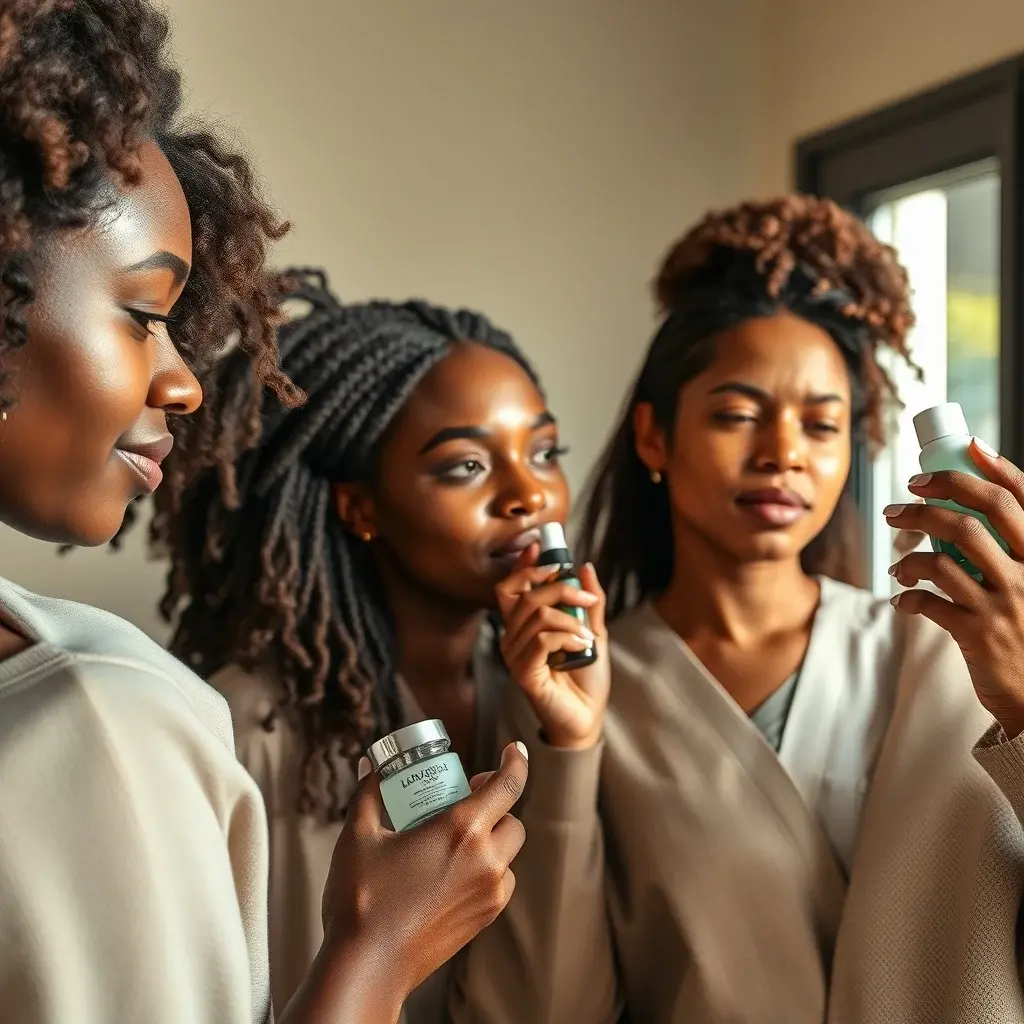
Skin of color requires a nuanced approach to skincare, where efficacy and safety intersect with the unique biology of melanin-rich complexions. Melanin protective skincare has emerged as a critical framework for addressing hyperpigmentation, post-inflammatory marks, and barrier sensitivity without compromising skin integrity. Recent data from the American Academy of Dermatology (AAD) reveals that 65% of individuals with Fitzpatrick skin types IV-VI experience hyperpigmentation as a primary concern, yet only 30% report satisfaction with over-the-counter brightening solutions. This disconnect underscores the need for evidence-based strategies that prioritize melanin-safe ingredients and non-irritating formulations.
Dermatologists and skincare researchers have identified key actives—such as niacinamide, azelaic acid, and tranexamic acid—that modulate melanin production while reinforcing the skin barrier. However, the market remains saturated with products that either underdeliver on results or trigger irritation, particularly for those with sensitive or reactive skin. The rise of melanin-conscious routines reflects a broader shift toward personalized skincare, where ingredient transparency and clinical validation are non-negotiable.
The Evolution of Melanin-Safe Skincare: From Historical Practices to Modern Science
The pursuit of even-toned skin is not a modern phenomenon. Ancient Egyptian, Ayurvedic, and East Asian traditions employed natural extracts like licorice root, turmeric, and rice bran to address discoloration. However, these methods often lacked consistency in efficacy and safety. The 20th century introduced synthetic brightening agents such as hydroquinone, which dominated the market despite links to ochronosis and irritation in higher concentrations.
Key milestones in melanin-safe skincare include:
- 1980s: Introduction of kojic acid, derived from fungi, as a tyrosinase inhibitor to reduce melanin synthesis.
- 1990s: FDA approval of azelaic acid for acne and rosacea, later recognized for its hyperpigmentation benefits.
- 2000s: Niacinamide gains traction for its dual role in brightening and barrier repair, supported by studies in the Journal of Clinical and Aesthetic Dermatology.
- 2010s: Rise of tranexamic acid, originally an antifibrinolytic drug, repurposed for its ability to inhibit melanin transfer in keratinocytes.
- 2020s: Alpha arbutin and gentle exfoliants like PHA (polyhydroxy acids) enter the spotlight as non-irritating alternatives to traditional actives.
“The shift toward melanin-protective skincare is driven by a deeper understanding of skin biology,” says Dr. Heather Woolery-Lloyd, Director of Ethnic Skin Care at the University of Miami. “We now recognize that melanin-rich skin is more prone to post-inflammatory hyperpigmentation (PIH) and requires ingredients that address both melanogenesis and barrier function.”
How Melanin Protective Skincare Works: Mechanisms and Formulation Science
Melanin production is regulated by the enzyme tyrosinase, which catalyzes the conversion of tyrosine to melanin. Tyrosinase inhibitor routines target this pathway to prevent excess pigmentation. Common inhibitors include:
- Kojic acid: Chelates copper ions required for tyrosinase activity.
- Alpha arbutin: A hydroquinone derivative that releases slowly, minimizing irritation.
- Licorice root extract: Contains glabridin, which inhibits tyrosinase and reduces inflammation.
- Tranexamic acid: Blocks plasminogen activation, reducing melanin synthesis and transfer.
Barrier protection is equally critical. A compromised skin barrier exacerbates hyperpigmentation by triggering inflammation. Non-irritating skincare formulations often combine humectants (e.g., glycerin, hyaluronic acid) with occlusives (e.g., ceramides, squalane) to maintain hydration and prevent transepidermal water loss (TEWL). A 2022 study in Dermatologic Therapy found that individuals using barrier-repairing moisturizers alongside brightening actives saw a 40% reduction in PIH recurrence compared to those using actives alone.
“The synergy between brightening and barrier repair cannot be overstated,” notes Dr. Jeanine Downie, a board-certified dermatologist. “Ingredients like niacinamide and ceramides work in tandem to reduce pigmentation while strengthening the skin’s defensive layer.”
Quantitative Insights: Efficacy and Market Trends
Clinical data underscores the effectiveness of melanin-safe ingredients. A meta-analysis of 12 studies, published in the Journal of Drugs in Dermatology, compared the efficacy of common brightening agents:
| Ingredient | Reduction in Hyperpigmentation (%) | Irritation Risk (Low/Moderate/High) | Study Duration (Weeks) |
|---|---|---|---|
| Niacinamide (5%) | 35-45 | Low | 8-12 |
| Azelaic Acid (15-20%) | 50-60 | Moderate | 12-24 |
| Tranexamic Acid (2-5%) | 40-55 | Low | 8-16 |
| Alpha Arbutin (2%) | 25-35 | Low | 12-16 |
| Kojic Acid (1-2%) | 30-40 | High | 12-24 |
The global market for melanin-safe skincare is projected to reach $12.4 billion by 2027, growing at a CAGR of 8.2%, according to a report by Grand View Research. This growth is fueled by increasing consumer demand for gentle fade dark spots solutions and melanin-friendly exfoliation options. However, disparities persist in product accessibility, with 60% of melanin-rich consumers reporting difficulty finding formulations tailored to their needs in mainstream retail channels.
Stakeholder Perspectives: Balancing Innovation and Safety
The melanin-protective skincare movement involves a diverse range of stakeholders, each with distinct priorities:
- Dermatologists: Advocate for evidence-based formulations and caution against unregulated products. “The rise of DIY brightening concoctions is alarming,” says Dr. Eliot Battle, CEO of Cultura Dermatology & Laser Center. “Ingredients like lemon juice or undiluted essential oils can cause chemical burns and worsen pigmentation.”
- Skincare Brands: Focus on inclusivity and transparency. Brands like Topicals and Eadem have gained traction by centering melanin-rich skin in their product development. “Our approach is rooted in clinical rigor and cultural relevance,” says Olamide Olowe, founder of Topicals. “We prioritize ingredients that are both effective and gentle.”
- Consumers: Demand faster results with minimal irritation. A 2023 survey by Mintel found that 72% of Black and Hispanic consumers prioritize products with visible results within four weeks, yet 58% are wary of long-term side effects.
- Regulatory Bodies: Monitor safety and labeling accuracy. The FDA has issued warnings against products containing mercury or unlisted hydroquinone, which can cause nephrotoxicity and exogenous ochronosis. “Regulation is critical to protect consumers from harmful ingredients,” states Dr. Linda Katz, Director of the FDA’s Office of Cosmetics and Colors.
Systemic Impacts: Beyond Aesthetics
The implications of melanin protective skincare extend beyond cosmetic outcomes. Hyperpigmentation and PIH are often tied to systemic conditions such as acne, eczema, and hormonal imbalances. A study in the British Journal of Dermatology found that individuals with untreated PIH reported lower self-esteem and higher rates of anxiety compared to those with clear skin. This underscores the need for holistic skincare approaches that address both physical and psychological well-being.
Moreover, the environmental impact of skincare formulations is gaining attention. Sustainable packaging and ethically sourced ingredients are becoming key differentiators in the market. A report by McKinsey & Company highlights that 66% of Gen Z consumers are willing to pay a premium for eco-friendly products, signaling a shift toward responsible consumption in the beauty industry.
Navigating the Future: Emerging Trends and Pending Variables
Several trends are poised to shape the future of melanin-protective skincare. Personalized skincare, driven by AI and genetic testing, is gaining traction. Companies like Curology and Proven Skincare use algorithms to tailor formulations based on individual skin profiles, including melanin levels and sensitivity. “Personalization is the next frontier,” says Dr. Woolery-Lloyd. “We’re moving toward a model where skincare is as unique as the individual.”
Regulatory changes may also impact the market. The FDA is reviewing the safety of over-the-counter hydroquinone, with potential restrictions on its concentration and usage duration. This could accelerate the adoption of alternative brightening agents like tranexamic acid and alpha arbutin.
Consumer education remains a critical variable. Misconceptions about melanin-rich skin—such as the belief that it is inherently resilient or does not require sunscreen—persist. Public health campaigns and dermatologist-led initiatives are essential to dispel these myths and promote safe skincare practices. “Education is the foundation of progress,” says Dr. Battle. “When consumers understand their skin’s needs, they make better choices.”
For those seeking to build a melanin-conscious routine, the path forward involves a balance of patience and precision. Start with a core regimen of a gentle cleanser, a barrier-repairing moisturizer, and a targeted brightening agent like niacinamide or azelaic acid. Introduce one active at a time, monitoring for irritation or sensitivity. Sunscreen with a minimum SPF 30 is non-negotiable, as UV exposure exacerbates hyperpigmentation. Consult a dermatologist to tailor the routine to specific concerns, whether it’s PIH, melasma, or general uneven tone. The goal is not perfection, but progress—healthier, more resilient skin that reflects both care and intention.
You may also like
-
The Comprehensive Dynamics of Melanin Ritual Skincare: Science, Routines, and Equity for Medium to Dark Skin Tones in 2025
-
The Comprehensive Framework for Melanin-Conscious Skincare: Evidence-Based Strategies for Hyperpigmentation, Brightening, and Barrier Resilience
-
The Global Resurgence of Ancestral Melanin Care: Tradition, Science, and Identity in Contemporary Skincare
-
The Essential Components of Melanin Ritual Skincare: A 2025 Breakdown of Dark Skin Radiance, Formulation Science, and Dermatological Precision for Rich Complexions
-
Sustainable Fashion: How the Industry is Shifting Toward Ethical and Eco-Friendly Practices