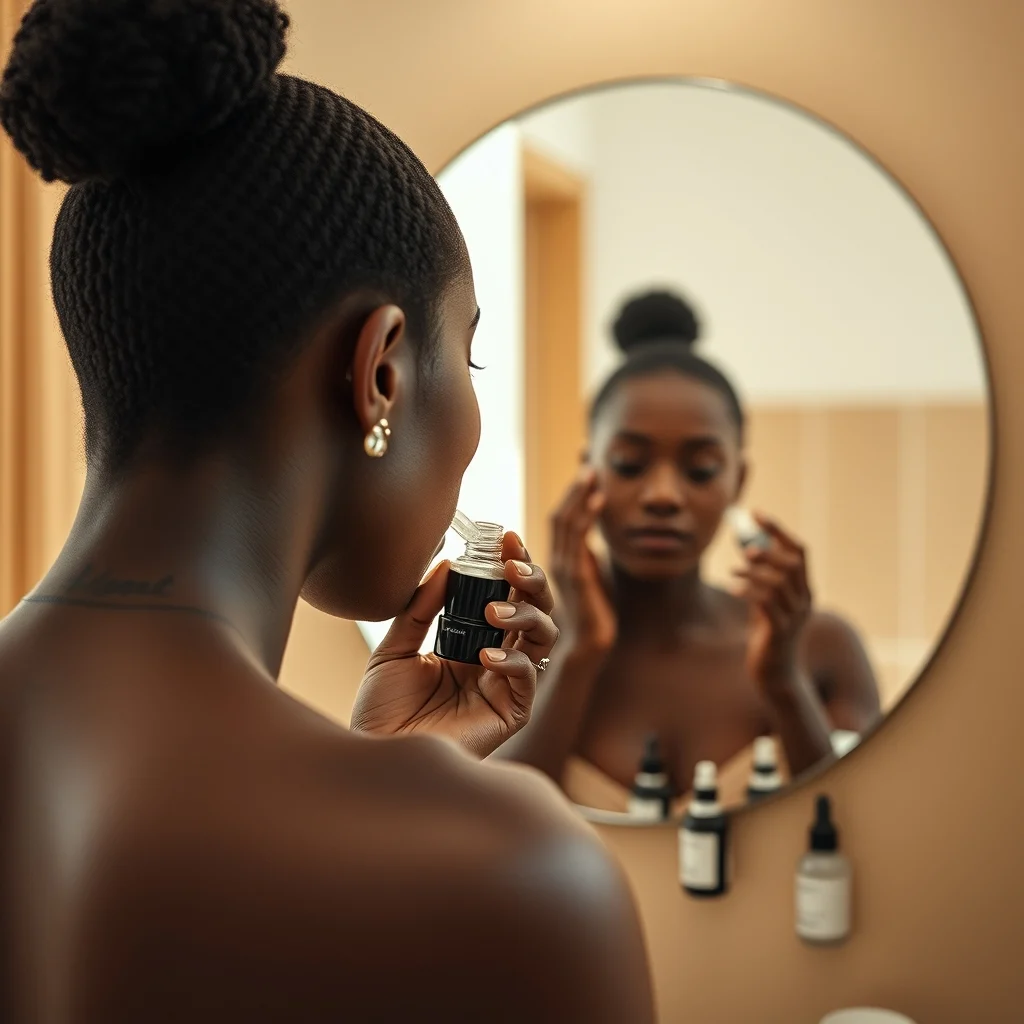
In 2025, the skincare industry is witnessing a transformative shift as melanin ritual skincare takes center stage, addressing the unique needs of dark and medium skin tones with unprecedented precision. This movement is not merely about aesthetics but about dermatological equity, formulation science, and culturally informed routines that prioritize hydration, hyperpigmentation treatment, and protection against environmental stressors. Brands, dermatologists, and consumers are collaborating to redefine standards, ensuring that products like anti-whitecast sunscreen, hydrating serums, and chemical peels safe for melanin-rich skin become staples in daily regimens.
The demand for dark skin radiance and flawless medium-dark complexions has surged, driven by a growing awareness of the biological differences in skin behavior across diverse tones. Historically, skincare formulations were designed with lighter skin in mind, often neglecting the higher melanin content that makes darker skin more prone to hyperpigmentation, uneven texture, and moisture barrier disruption. Today, the conversation has expanded to include melanin magic skincare—a term encapsulating the blend of ancestral wisdom, cutting-edge research, and tailored ingredients that celebrate and protect melanin-rich skin.
The Evolution of Melanin Skincare: From Neglect to Innovation
The journey of melanin skincare is marked by both progress and persistent gaps. For decades, dermatological research and product development prioritized lighter skin tones, leaving individuals with darker complexions underserved. A 2018 study published in the Journal of the American Academy of Dermatology revealed that only 4.5% of images in dermatology textbooks depicted dark skin, highlighting the systemic oversight in medical and cosmetic education. This disparity extended to skincare products, where formulations often caused irritation, whitecast, or ineffective results for melanin-rich skin.
Key milestones in the evolution of melanin skincare include:
- 1990s-2000s: The emergence of niche brands catering to Black and Brown consumers, though limited by a lack of scientific backing and mainstream distribution.
- 2010: The launch of Black Girl Sunscreen, one of the first widely available anti-whitecast sunscreens designed specifically for dark skin tones, challenging the myth that melanin alone provides sufficient UV protection.
- 2015: The Fitzpatrick Scale, a classification system for skin types, gained broader recognition in dermatology, though critics argued it still centered on lighter skin in its application.
- 2020: The #MelaninPoppin movement on social media amplified consumer demand for products that addressed hyperpigmentation treatment and even skin tone rituals, pushing brands to innovate.
- 2023: A landmark study by the Skin of Color Society demonstrated that darker skin tones require distinct moisture barrier repair strategies, leading to the development of hydrating serums for medium-dark skin with ceramides and squalane.
Dr. Michelle Henry, a board-certified dermatologist and member of the Skin of Color Society, notes, “The skincare industry is finally acknowledging that melanin-rich skin isn’t just a variation—it’s a distinct canvas with unique needs. The shift toward inclusive research and formulation is long overdue, but the progress we’re seeing now is encouraging.”
Understanding the Science: How Melanin Influences Skincare Needs
Melanin, the pigment responsible for skin, hair, and eye color, plays a critical role in how skin responds to environmental factors, aging, and skincare products. Darker skin tones contain more melanin, which provides some natural protection against UV radiation but also makes the skin more susceptible to post-inflammatory hyperpigmentation (PIH), a condition where dark spots form after acne, cuts, or irritation. A 2022 report by the American Academy of Dermatology found that PIH affects up to 65% of individuals with darker skin tones, compared to 25% of those with lighter skin.
Key biological differences in melanin-rich skin include:
| Characteristic | Lighter Skin Tones | Darker Skin Tones |
|---|---|---|
| Melanin Content | Lower | Higher |
| UV Protection (Natural SPF) | SPF 3-5 | SPF 13-15 |
| Risk of Hyperpigmentation | Lower | Higher |
| Moisture Barrier Strength | Thicker, more resilient | Thinner, more prone to disruption |
| Response to Chemical Peels | Lower risk of PIH | Higher risk of PIH if not formulated for melanin |
These differences necessitate tailored skincare routines. For example, while gentle exfoliation for melanin is essential for cell turnover, aggressive treatments can trigger PIH. Similarly, sunscreen for rich skin tones must avoid whitecast while providing broad-spectrum protection. Dr. Jeanine Downie, a dermatologist and founder of Image Dermatology, emphasizes, “The myth that darker skin doesn’t need sunscreen is dangerous. While melanin offers some protection, it’s not enough to prevent long-term damage like photoaging or skin cancer. The key is finding formulations that blend seamlessly into the skin.”
Building a Glow Routine for Medium-Dark Skin: Key Steps and Ingredients
A glow routine for medium-dark skin should prioritize hydration, protection, and targeted treatments for hyperpigmentation and texture. Dermatologists and estheticians recommend a layered approach, often referred to as the evening ritual for dark skin, to maximize efficacy while minimizing irritation.
Morning Routine: Protection and Hydration
1. Cleanser: Use a gentle, sulfate-free cleanser to avoid stripping the skin’s natural oils. Ingredients like glycerin or hyaluronic acid help maintain the dark skin moisture barrier.
2. Toner (Optional): Alcohol-free toners with niacinamide or licorice root can prep the skin for better absorption of subsequent products while brightening the complexion.
3. Serum: A nourishing dark skin serum with vitamin C, tranexamic acid, or alpha arbutin targets hyperpigmentation treatment and promotes an even skin tone ritual. Vitamin C also provides antioxidant protection against pollution and UV damage.
4. Moisturizer: A lightweight but deeply hydrating moisturizer with ceramides, shea butter, or squalane supports the skin’s barrier function. Look for non-comedogenic formulas to avoid clogging pores.
5. Sunscreen: Apply a broad-spectrum anti-whitecast sunscreen with at least SPF 30. Mineral sunscreens with zinc oxide or titanium dioxide should be micronized to avoid leaving a residue. Chemical sunscreens with avobenzone or octinoxate are also effective but may require a tinted formula for seamless application.
Evening Routine: Repair and Renewal
1. Double Cleanse: Start with an oil-based cleanser to remove sunscreen and makeup, followed by a water-based cleanser to deep-clean pores without over-drying.
2. Exfoliation (2-3 times per week): Use a chemical peel safe for melanin, such as a lactic acid or mandelic acid peel, to promote cell turnover without causing irritation. Avoid physical scrubs, which can create micro-tears and trigger PIH.
3. Treatment Serums: Incorporate serums with retinol (start with a low concentration), peptides, or azelaic acid to address texture, fine lines, and dark spots. Retinol should be introduced gradually to avoid irritation.
4. Moisturizer: Opt for a richer moisturizer or sleeping mask with ingredients like hyaluronic acid, panthenol, or colloidal oatmeal to support overnight repair.
Esthetician and founder of Glowie Skin, Ron Robinson, advises, “The evening routine is where the magic happens for melanin-rich skin. It’s not just about what you put on your skin but how you layer it. For example, applying a hydrating serum before a retinoid can buffer irritation, making the treatment more effective and less likely to cause PIH.”
Market Dynamics: The Rise of Melanin-Centric Brands and Consumer Trends
The melanin skincare market has experienced exponential growth, driven by consumer demand for inclusivity and efficacy. According to a 2024 report by Grand View Research, the global market for skincare products targeting dark and medium skin tones is projected to reach $12.8 billion by 2030, growing at a compound annual growth rate (CAGR) of 8.5%. This surge is attributed to several factors:
- Increased Representation: Brands like Fenty Skin, Topicals, and Epara Skincare have prioritized diversity in marketing and product development, resonating with consumers who have long felt overlooked.
- Social Media Influence: Platforms like TikTok and Instagram have democratized skincare education, with creators sharing melanin magic skincare routines and reviews. Hashtags like #MelaninSkincare and #DarkSkinGlow have amassed over 500 million views collectively.
- Scientific Validation: Research institutions and dermatological associations are investing in studies focused on melanin-rich skin, providing brands with data to back their claims. For example, a 2023 study by Johnson & Johnson identified that darker skin tones have a higher concentration of ceramides, necessitating different moisturization strategies.
- Regulatory Scrutiny: The U.S. Food and Drug Administration (FDA) and European Commission have begun to address gaps in skincare regulations, particularly around claims related to brightening melanin skin and fade dark spots. This has led to more transparent labeling and evidence-based marketing.
However, challenges remain. A 2024 survey by Mintel found that 62% of Black and Brown consumers still feel that mainstream skincare brands do not fully understand their needs. Additionally, the proliferation of products has led to confusion, with many consumers unsure how to navigate the overwhelming number of options. Dr. Adeline Kikam, a dermatologist and founder of Brown Skin Derm, states, “While the market has expanded, there’s still a lack of education around how to use these products effectively. Many consumers are layering actives without understanding their skin’s tolerance, which can lead to irritation and setbacks.”
Stakeholder Perspectives: Balancing Innovation, Accessibility, and Ethics
The melanin skincare movement is shaped by diverse stakeholders, each with distinct priorities and concerns. These perspectives highlight the complexities of creating a truly inclusive skincare landscape.
Dermatologists and Researchers
Dermatologists emphasize the need for evidence-based formulations that address the unique challenges of melanin-rich skin. Dr. Henry notes, “We’re seeing a lot of brands jump on the melanin skincare bandwagon without the scientific rigor to back their claims. It’s not enough to repackage existing products with darker models in ads—we need formulations that are tested on diverse skin tones.”
Researchers are also advocating for more inclusive clinical trials. A 2023 report by the National Institutes of Health (NIH) found that only 12% of dermatological studies included participants with Fitzpatrick skin types IV-VI (medium to dark skin tones). This lack of representation can lead to products that are ineffective or harmful for melanin-rich skin.
Brands and Industry Leaders
Skincare brands are navigating the tension between profitability and authenticity. While some, like Topicals, have built their entire identity around melanin skincare, others are retrofitting existing lines to appeal to a broader audience. Olamide Olowe, founder of Topicals, explains, “Our approach is rooted in community and science. We don’t just sell products; we educate our consumers on how to use them safely and effectively. That’s the only way to build trust in this space.”
However, the rush to capitalize on the melanin skincare trend has led to instances of cultural appropriation and performative inclusivity. Some brands have been criticized for using Black and Brown models in marketing while offering products that are not formulated for their skin needs. This has sparked calls for greater accountability and transparency.
Consumers and Advocates
For consumers, the melanin skincare movement is about more than just products—it’s about representation, self-care, and reclaiming narratives around beauty. Social media influencer and skincare educator @MelaninAndSkincare (1.2 million followers) shares, “Growing up, I never saw my skin tone represented in skincare ads. Now, seeing brands create products that actually work for me feels like a validation of my identity. But we can’t stop here—we need to keep pushing for better education and accessibility.”
Advocates are also calling for greater affordability. While brands like Fenty Skin and Topicals have made strides in inclusivity, their price points remain out of reach for many consumers. A 2024 study by NielsenIQ found that 45% of Black and Hispanic consumers prioritize affordability over brand loyalty when purchasing skincare products.
Emerging Trends and Future Directions
The melanin skincare landscape is poised for further evolution, with several trends and developments on the horizon:
- Personalized Skincare: Advances in AI and machine learning are enabling brands to offer customized skincare solutions based on individual skin concerns, tone, and environmental factors. Companies like Proven Skincare and Curology are already leveraging data to create tailored routines for melanin-rich skin.
- Sustainable Formulations: Consumers are increasingly demanding eco-friendly and ethically sourced ingredients. Brands are responding by incorporating sustainable practices, such as refillable packaging and responsibly sourced botanicals, into their melanin ritual skincare lines.
- Holistic Approaches: The integration of skincare with wellness practices, such as gua sha, facial massage, and adaptogenic ingredients, is gaining traction. These methods not only enhance product efficacy but also promote mental well-being, aligning with the broader self-care movement.
- Regulatory Changes: The FDA is expected to release updated guidelines for skincare product claims in 2025, with a focus on inclusivity and transparency. This could lead to stricter regulations around terms like “brightening” and “hyperpigmentation treatment,” ensuring that consumers receive accurate information.
- Global Expansion: While the melanin skincare movement has gained significant traction in the U.S. and Europe, brands are increasingly turning their attention to markets in Africa, Latin America, and Asia, where demand for inclusive skincare is growing rapidly.
As the industry continues to evolve, the focus must remain on education, accessibility, and scientific rigor. The goal is not just to create products that cater to melanin-rich skin but to foster a skincare culture that celebrates and protects all skin tones. For consumers, this means staying informed, advocating for their needs, and supporting brands that prioritize both efficacy and inclusivity. The journey toward rich melanin glow and flawless medium-dark complexions is ongoing, but the progress made so far signals a promising future for melanin skincare.
You may also like
-
The Comprehensive Dynamics of Melanin Ritual Skincare: Science, Routines, and Equity for Medium to Dark Skin Tones in 2025
-
The Comprehensive Framework for Melanin-Conscious Skincare: Evidence-Based Strategies for Hyperpigmentation, Brightening, and Barrier Resilience
-
The Global Resurgence of Ancestral Melanin Care: Tradition, Science, and Identity in Contemporary Skincare
-
The Essential Components of Melanin Ritual Skincare: A 2025 Breakdown of Dark Skin Radiance, Formulation Science, and Dermatological Precision for Rich Complexions
-
Sustainable Fashion: How the Industry is Shifting Toward Ethical and Eco-Friendly Practices