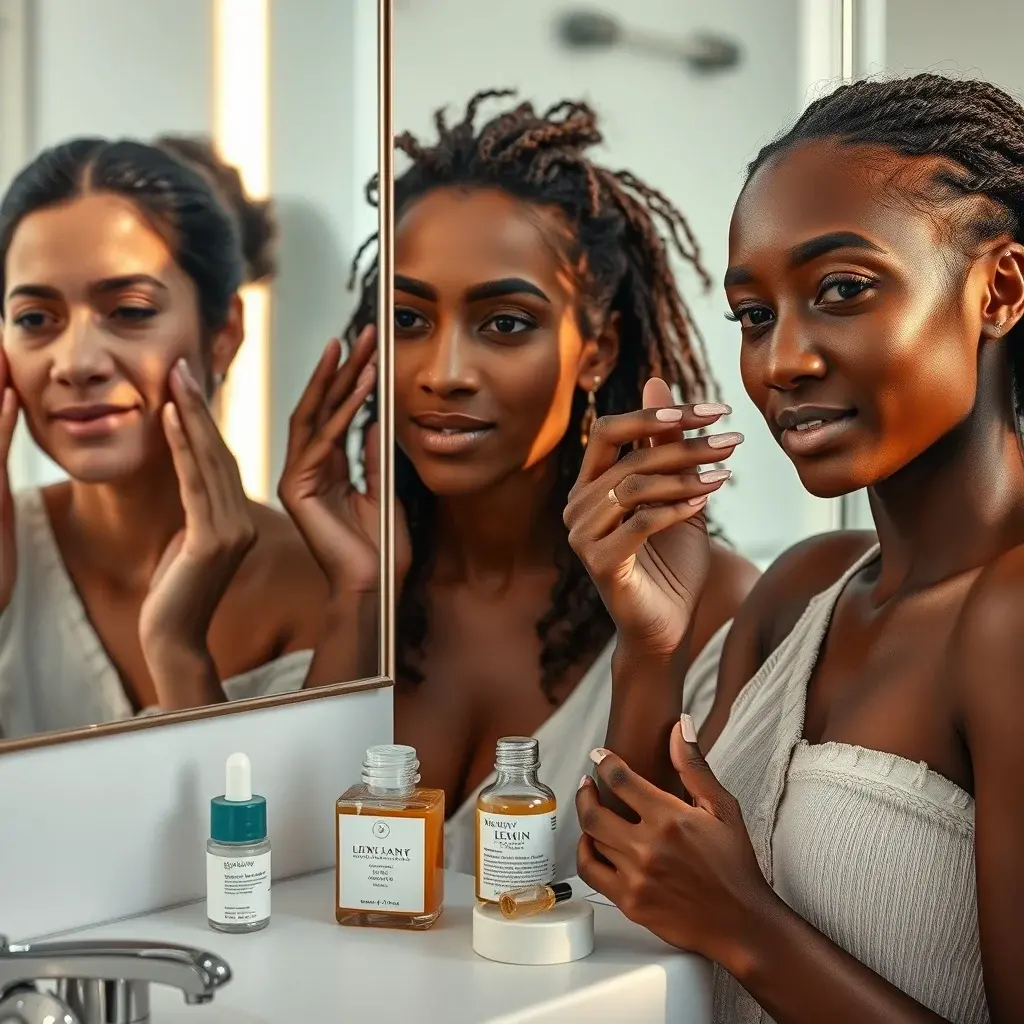
In 2025, the skincare industry has increasingly prioritized melanin ritual skincare, a specialized approach designed to address the unique needs of medium to dark skin tones. This movement responds to long-standing gaps in dermatological research, product formulation, and consumer education, which historically favored lighter skin. Recent advancements in hyperpigmentation treatment, anti-whitecast sunscreen, and hydrating dark skin routines have reshaped the market, driven by demand from consumers seeking flawless medium-dark complexions and even skin tone rituals. Brands like Fenty Skin, Black Girl Sunscreen, and Epara Skincare have emerged as leaders, while dermatologists and chemists refine formulations to enhance dark skin radiance without compromising safety or efficacy.
The shift toward melanin-centric skincare reflects broader cultural and scientific trends. Historically, clinical trials and product testing excluded deeper skin tones, leading to formulations that caused irritation, uneven tone, or ineffective results. Today, brands are investing in chemical peels safe for melanin, nourishing dark skin serums, and gentle exfoliation methods tailored to melanin-rich skin. The global market for melanin-focused skincare is projected to reach $12.4 billion by 2027, according to a 2024 report by Grand View Research, with growth fueled by rising awareness of melanin magic skincare benefits and the need for sunscreen for rich skin tones that doesn’t leave a white residue.
The Evolution of Melanin-Centric Skincare: A Historical Context
The development of melanin ritual skincare has been shaped by decades of advocacy, scientific breakthroughs, and market failures. Key milestones include:
- 1970s-1990s: Early dermatological research focused primarily on Caucasian skin, with limited studies on hyperpigmentation or moisture barriers in darker tones. Products like hydroquinone, while effective for some, often caused irritation or ochronosis in melanin-rich skin.
- 2000s: The rise of K-beauty introduced brightening melanin skin concepts, but many formulations contained high concentrations of alcohol or fragrances, exacerbating sensitivity in deeper skin tones.
- 2010s: Brands like SheaMoisture and Nubian Heritage gained traction by emphasizing natural ingredients, though clinical validation remained limited. The term melanin magic skincare entered mainstream discourse, reflecting a growing cultural pride in melanin-rich beauty.
- 2020-Present: The Black Lives Matter movement and calls for inclusivity accelerated industry changes. Brands began reformulating products to eliminate whitecast in sunscreens, while dermatologists like Dr. Michelle Henry and Dr. Adeline Kikam advocated for evidence-based melanin skincare. The FDA’s 2021 approval of chemical peels safe for melanin, such as those containing mandelic acid, marked a turning point.
“The skincare industry is finally acknowledging that melanin-rich skin isn’t just a variation—it’s a distinct biological landscape,” says Dr. Adeline Kikam, a board-certified dermatologist and founder of @brownskinderm. “From hydrating serums for medium-dark skin to anti-whitecast sunscreens, the focus is now on formulations that respect the skin’s natural chemistry.”
Formulation Science: Tailoring Products for Melanin-Rich Skin
The science behind melanin ritual skincare revolves around three core principles: barrier protection, pigment regulation, and gentle exfoliation. Unlike lighter skin, melanin-rich skin is more prone to post-inflammatory hyperpigmentation (PIH), requires higher moisture barrier support, and benefits from targeted brightening without aggressive ingredients.
Key ingredients in modern formulations include:
| Ingredient | Function | Example Products |
|---|---|---|
| Niacinamide | Reduces hyperpigmentation, strengthens barrier | The Ordinary Niacinamide 10% + Zinc 1%, Glossier Super Pure |
| Tranexamic Acid | Fades dark spots, evens skin tone | Paula’s Choice 2% Tranexamic Acid Treatment, La Roche-Posay Mela B3 Serum |
| Mandelic Acid | Gentle exfoliation, safe for melanin | The Inkey List Mandelic Acid, Drunk Elephant T.L.C. Framboos Glycolic Night Serum |
| Zinc Oxide (Non-Nano) | Broad-spectrum UV protection without whitecast | Black Girl Sunscreen SPF 30, Supergoop! Unseen Sunscreen |
| Squalane | Deep hydration, restores moisture barrier | Biossance 100% Squalane Oil, The Ordinary 100% Plant-Derived Squalane |
“The challenge isn’t just creating products that work—it’s ensuring they’re accessible and culturally relevant,” notes Aisha O’Brien, founder of Fenty Skin. “For example, sunscreen for rich skin tones must be lightweight, non-greasy, and free of ashy residue. That’s why we prioritize anti-whitecast technology in our formulations.”
Quantitative Insights: Market Growth and Consumer Behavior
The demand for melanin ritual skincare is backed by compelling data. A 2024 survey by Mintel revealed that 68% of Black consumers and 54% of Hispanic consumers prioritize skincare products specifically formulated for their skin tone. Additionally, the global hyperpigmentation treatment market is expected to grow at a CAGR of 6.2% through 2030, with melanin-rich skin driving much of this expansion.
Key statistics include:
- 42% of consumers with medium to dark skin tones report dissatisfaction with traditional sunscreens due to whitecast (Source: Mintel, 2024).
- The brightening melanin skin segment accounts for 35% of the global skin-lightening market, valued at $8.6 billion in 2023 (Source: Grand View Research).
- Sales of hydrating serums for medium-dark skin increased by 28% in 2023, outpacing the overall serum market growth of 15%.
- 71% of dermatologists now recommend chemical peels safe for melanin, such as lactic or mandelic acid, over glycolic acid for deeper skin tones.
“The data underscores a critical shift: consumers are no longer settling for one-size-fits-all solutions,” says Dr. Michelle Henry, a New York-based dermatologist. “They’re seeking evening rituals for dark skin that address PIH, hydration, and protection—all while celebrating their natural glow.”
Systemic Impacts: Beyond Beauty to Dermatological Equity
The rise of melanin ritual skincare extends beyond aesthetics, addressing systemic inequities in dermatological care. Historically, medical textbooks and training programs underrepresented darker skin tones, leading to misdiagnoses and inadequate treatment. A 2022 study published in the Journal of the American Academy of Dermatology found that only 4.5% of images in dermatology textbooks depicted Black skin, while 74.5% depicted white skin.
This disparity has real-world consequences. For example, conditions like eczema or psoriasis often present differently in melanin-rich skin, yet many clinicians lack training to recognize these variations. The push for melanin magic skincare has coincided with broader efforts to diversify medical education and clinical trials. In 2023, the FDA issued new guidelines requiring skincare brands to include diverse skin tones in their testing protocols, a move applauded by advocates like the Skin of Color Society.
“Dermatological equity isn’t just about products—it’s about representation in research, education, and clinical practice,” says Dr. Jenna Lester, director of the Skin of Color Program at UCSF. “When we talk about flawless medium-dark complexions, we’re also talking about closing the gap in healthcare disparities.”
Stakeholder Perspectives: Conflicts and Collaborations
The melanin skincare movement has sparked debates among stakeholders, from dermatologists to consumers to regulatory bodies. Key perspectives include:
- Dermatologists: Advocate for evidence-based formulations but caution against overuse of active ingredients like retinoids or high-percentage acids, which can disrupt the moisture barrier in melanin-rich skin. “The goal is gentle exfoliation and consistent hydration,” says Dr. Kikam. “Aggressive treatments can do more harm than good.”
- Brands: Balancing profitability with inclusivity remains a challenge. While indie brands like Epara and Topicals prioritize melanin-rich skin, larger corporations often face criticism for performative diversity. “True inclusivity requires more than marketing—it’s about reformulating products from the ground up,” says O’Brien.
- Consumers: Demand transparency and efficacy. A 2024 survey by Nielsen found that 58% of Black consumers research a product’s ingredients before purchasing, compared to 34% of white consumers. “We’re tired of being an afterthought,” says skincare influencer Nia The Light. “We want rich melanin glow products that actually work.”
- Regulators: The FDA and FTC have increased scrutiny of skincare claims, particularly around brightening and hyperpigmentation treatment. In 2023, the FTC fined two brands for misleading marketing, signaling a crackdown on false promises in the melanin skincare space.
Emerging Trends and Pending Variables
As the melanin ritual skincare market evolves, several trends and challenges are shaping its future. One notable development is the rise of personalized skincare, with brands like Curology and Proven offering customized serums based on skin tone, concerns, and environmental factors. AI-driven tools, such as those from Atolla, analyze melanin levels to recommend hydrating dark skin routines or fade dark spots treatments.
Another trend is the growing demand for clean beauty in melanin skincare. Consumers are increasingly wary of ingredients like hydroquinone, parabens, and synthetic fragrances, opting instead for plant-based alternatives. Brands like 54 Thrones and Hanahana Beauty emphasize shea butter, baobab oil, and other natural ingredients to support the moisture barrier in melanin-rich skin.
However, challenges remain. The lack of standardized testing for deeper skin tones persists, and many brands still rely on anecdotal evidence rather than clinical data. Additionally, the high cost of melanin-centric products—often priced 20-30% higher than mainstream alternatives—limits accessibility for some consumers. “Affordability is the next frontier,” says O’Brien. “We need to make melanin magic skincare accessible to everyone, not just those who can afford luxury prices.”
Looking ahead, regulatory changes and technological advancements will play pivotal roles. The FDA’s ongoing review of over-the-counter skincare ingredients, including hydroquinone and retinoids, could reshape the market. Meanwhile, innovations in anti-whitecast sunscreen technology, such as microencapsulated zinc oxide, promise to improve UV protection for rich skin tones. As consumers continue to prioritize everyday dark skin care that aligns with their unique needs, the industry’s commitment to inclusivity and efficacy will determine its long-term success.
The journey toward equitable skincare is far from over, but the progress made in melanin ritual skincare reflects a broader cultural shift. By centering the needs of medium to dark skin tones, the industry is not only redefining beauty standards but also fostering a more inclusive approach to dermatological health. For consumers, the key lies in informed choices—selecting products that honor their skin’s natural chemistry while addressing specific concerns like hyperpigmentation, hydration, and UV protection. As research expands and formulations improve, the promise of a flawless medium-dark complexion is becoming a tangible reality, one ritual at a time.
You may also like
-
The Comprehensive Dynamics of Melanin Ritual Skincare: Science, Routines, and Equity for Medium to Dark Skin Tones in 2025
-
The Comprehensive Framework for Melanin-Conscious Skincare: Evidence-Based Strategies for Hyperpigmentation, Brightening, and Barrier Resilience
-
The Global Resurgence of Ancestral Melanin Care: Tradition, Science, and Identity in Contemporary Skincare
-
The Essential Components of Melanin Ritual Skincare: A 2025 Breakdown of Dark Skin Radiance, Formulation Science, and Dermatological Precision for Rich Complexions
-
Sustainable Fashion: How the Industry is Shifting Toward Ethical and Eco-Friendly Practices