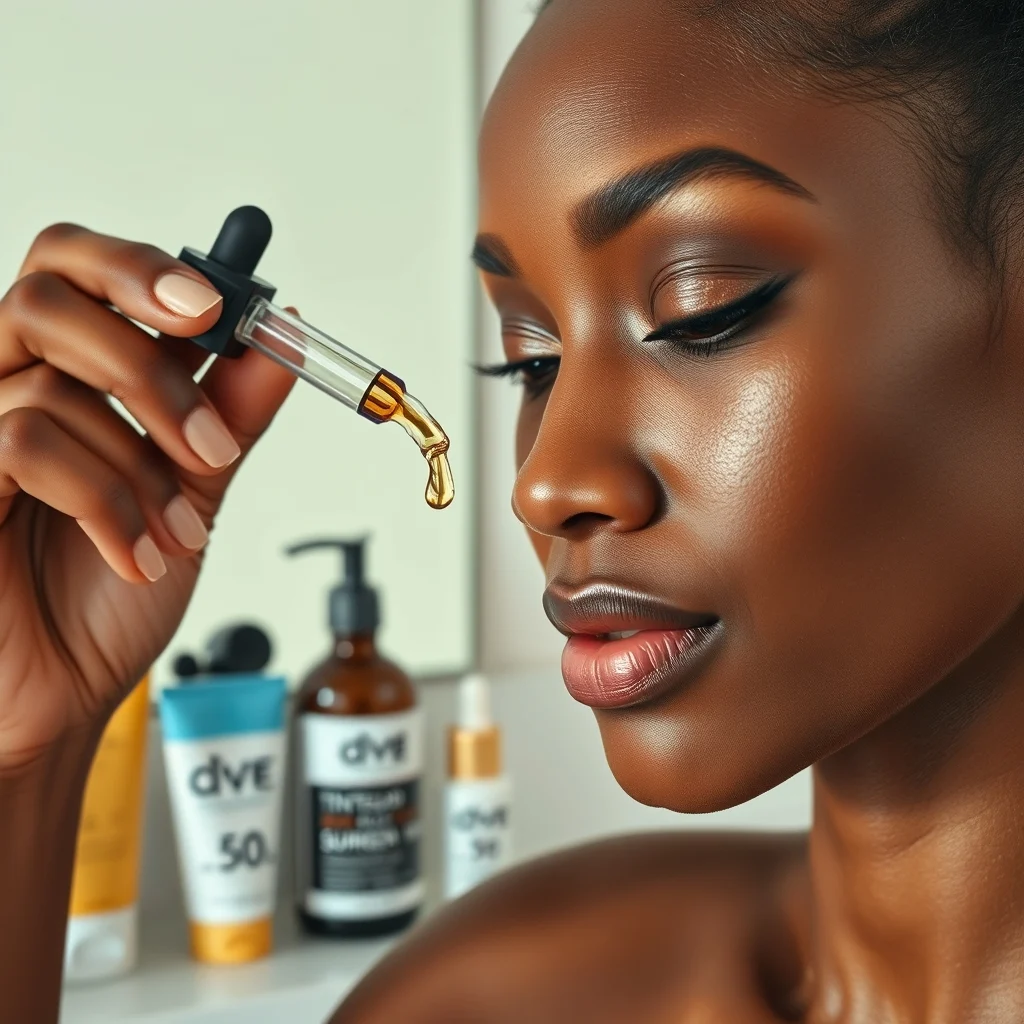
In 2025, the skincare industry has witnessed a transformative shift toward melanin ritual skincare, a category designed to address the unique needs of medium to dark skin tones. This evolution reflects growing consumer demand for products that enhance dark skin radiance while addressing concerns like hyperpigmentation, moisture barrier integrity, and sun protection without whitecast. Brands, dermatologists, and researchers are collaborating to develop formulations that celebrate melanin-rich skin, moving beyond one-size-fits-all solutions to embrace dermatological equity. The movement is not merely cosmetic; it represents a broader recognition of the biological and cultural significance of melanin, with implications for health, identity, and market dynamics.
The current landscape is defined by three key developments: the rise of anti-whitecast sunscreen tailored for rich skin tones, the proliferation of hyperpigmentation treatments that prioritize safety for melanin, and the growing popularity of evening rituals for dark skin that combine hydration with gentle exfoliation. These innovations are driven by a confluence of factors, including advancements in formulation science, increased representation in clinical trials, and consumer advocacy for transparency in ingredient sourcing. According to a 2024 report by Grand View Research, the global market for melanin-centric skincare is projected to reach $12.8 billion by 2030, growing at a compound annual rate of 8.7%. This surge underscores the urgency for brands to align with the needs of a demographic that has historically been underserved.
The Historical Context: From Marginalization to Mainstream Recognition
The journey of melanin ritual skincare is rooted in decades of dermatological neglect. For much of the 20th century, skincare research and product development prioritized lighter skin tones, leaving individuals with deeper complexions vulnerable to ineffective or harmful formulations. A 2018 study published in the Journal of the American Academy of Dermatology found that 65% of clinical trials for acne and hyperpigmentation treatments excluded participants with Fitzpatrick skin types IV-VI, which encompass medium to dark skin tones. This exclusion perpetuated a cycle of misdiagnosis, delayed treatment, and reliance on unregulated remedies.
The turning point came in the early 2010s, when social media platforms amplified the voices of Black and Brown skincare enthusiasts, dermatologists, and influencers. Hashtags like #MelaninMagic and #DarkSkinGlow fostered communities where users shared glow routines for medium-dark skin and reviewed products for their efficacy. Brands such as Fenty Skin, Black Girl Sunscreen, and Epara Skincare emerged as pioneers, leveraging consumer feedback to create products that addressed specific concerns like fade dark spots and hydrating dark skin. By 2020, the conversation had expanded beyond aesthetics to include systemic issues like ingredient safety and regulatory oversight.
Formulation Science: The Mechanics of Melanin-Centric Skincare
The efficacy of melanin ritual skincare hinges on formulations that account for the unique properties of melanin-rich skin. Melanin, the pigment responsible for skin color, offers natural protection against UV radiation but also makes the skin more prone to post-inflammatory hyperpigmentation (PIH) and uneven tone. Dermatologists emphasize that products must balance potency with gentleness to avoid triggering irritation, which can exacerbate PIH. Key ingredients in this category include:
- Niacinamide: A form of vitamin B3 that brightens skin and strengthens the moisture barrier, reducing the appearance of dark spots.
- Tranexamic Acid: An emerging ingredient that inhibits melanin production, often used in hyperpigmentation treatments for its ability to fade discoloration without irritation.
- Hyaluronic Acid: A humectant that delivers deep hydration, critical for maintaining the moisture barrier in dark skin, which is naturally more prone to dryness.
- Zinc Oxide and Titanium Dioxide: Mineral filters in anti-whitecast sunscreen that provide broad-spectrum protection without leaving a chalky residue.
Dr. Michelle Henry, a board-certified dermatologist and founder of Skin & Scripts, explains the stakes: “Melanin-rich skin requires a nuanced approach. What works for lighter skin tones can often backfire, leading to irritation or worsening of conditions like melasma. The key is to use ingredients that are both effective and non-disruptive to the skin barrier.” This sentiment is echoed by formulators, who are increasingly turning to chemical peels safe for melanin, such as lactic acid and mandelic acid, which offer exfoliation without the risk of PIH associated with stronger acids like glycolic acid.
Quantitative Insights: Market Growth and Consumer Behavior
The demand for melanin ritual skincare is not just anecdotal; it is backed by robust data. A 2023 survey by NielsenIQ revealed that 72% of Black consumers and 64% of Hispanic consumers prioritize skincare products specifically formulated for their skin tone. This preference is reflected in market performance. Below is a comparison of sales growth for melanin-centric skincare products versus the broader skincare market:
| Category | 2020 Sales ($M) | 2023 Sales ($M) | CAGR (2020-2023) |
|---|---|---|---|
| Melanin-Centric Skincare | 3,200 | 6,800 | 28.4% |
| General Skincare Market | 145,000 | 180,000 | 7.5% |
Consumer behavior is also evolving. A 2024 report by McKinsey & Company found that 68% of melanin-rich skincare users prefer brands that demonstrate cultural competency, such as featuring diverse models in marketing campaigns and providing detailed ingredient transparency. This shift has prompted legacy brands like Estée Lauder and L’Oréal to acquire or partner with Black-owned skincare lines, such as Dr. Barbara Sturm’s collaboration with Angela Bassett and Shiseido’s investment in Epara Skincare.
Systemic Impacts: Health, Equity, and Industry Accountability
The rise of melanin ritual skincare extends beyond commerce; it intersects with broader conversations about health equity and dermatological access. Studies have shown that individuals with darker skin tones are more likely to experience delayed diagnoses for conditions like skin cancer due to the lack of representation in medical education. A 2022 study in JAMA Dermatology found that only 4.5% of images in dermatology textbooks featured Fitzpatrick skin types IV-VI, perpetuating diagnostic disparities. The skincare industry’s pivot toward melanin-rich formulations is beginning to address these gaps by normalizing the visibility of diverse skin tones in product development and marketing.
However, challenges remain. Dr. Jeanine Downie, a dermatologist and founder of Image Dermatology, highlights the regulatory hurdles: “The FDA does not currently require skincare products to undergo clinical trials for efficacy across different skin tones. This lack of oversight means that consumers with melanin-rich skin are often left to navigate a minefield of products that may not work—or worse, cause harm.” Advocacy groups like the Color of Change are pushing for policy changes that mandate inclusivity in clinical trials and labeling transparency for ingredients that may trigger PIH.
Stakeholder Perspectives: Conflicts and Collaborations
The melanin ritual skincare movement is not monolithic; it encompasses a spectrum of stakeholders with divergent priorities. For consumers, the primary concern is efficacy. “I need products that actually work for my skin,” says Aisha Johnson, a 32-year-old skincare enthusiast from Atlanta. “I’ve tried everything from DIY remedies to high-end serums, and what I’ve learned is that not all ‘melanin-friendly’ products are created equal. Some brands are just slapping a label on a product and calling it a day.”
For dermatologists, the focus is on safety and education. Dr. Henry emphasizes the importance of evidence-based recommendations: “We need to move beyond marketing hype and provide consumers with data-driven guidance. That means more studies, more transparency, and more collaboration between brands and medical professionals.” This call for collaboration is echoed by formulators, who are increasingly partnering with dermatologists to develop products that address specific concerns like hydrating serums for medium-dark skin and sunscreen for rich skin tones.
Brands, meanwhile, are navigating a complex landscape of consumer expectations and market pressures. While some, like Fenty Skin, have built their identity around inclusivity, others are playing catch-up. “The challenge for legacy brands is to authentically engage with this demographic without appearing opportunistic,” says Priya Patel, a beauty industry analyst at Euromonitor International. “Consumers can spot performative allyship from a mile away.”
Pending Variables and Future Catalysts
The trajectory of melanin ritual skincare</ has been shaped by a confluence of scientific innovation, consumer advocacy, and market demand, but several variables will determine its future. Regulatory developments, such as the FDA’s potential expansion of clinical trial requirements to include diverse skin tones, could reshape the industry’s approach to product safety and efficacy. Advances in biotechnology, including the use of artificial intelligence to predict how ingredients interact with melanin, may accelerate the development of personalized skincare solutions.
Consumer education will also play a pivotal role. As awareness of chemical peels safe for melanin and anti-whitecast sunscreen grows, so too does the responsibility of brands and dermatologists to provide accurate, accessible information. Initiatives like the Melanin Skincare Coalition, a nonprofit organization dedicated to promoting dermatological equity, are working to bridge this gap by offering resources and training for skincare professionals.
For individuals with medium to dark skin tones, the path to flawless medium-dark complexion is no longer defined by compromise. The tools to achieve even skin tone, deep hydration, and sun protection without whitecast are increasingly within reach. The challenge lies in ensuring that these tools are not only effective but also accessible, affordable, and backed by rigorous science. As the industry continues to evolve, the focus must remain on equity—because radiant skin should never be a privilege, but a standard.
You may also like
-
The Comprehensive Dynamics of Melanin Ritual Skincare: Science, Routines, and Equity for Medium to Dark Skin Tones in 2025
-
The Comprehensive Framework for Melanin-Conscious Skincare: Evidence-Based Strategies for Hyperpigmentation, Brightening, and Barrier Resilience
-
The Global Resurgence of Ancestral Melanin Care: Tradition, Science, and Identity in Contemporary Skincare
-
The Essential Components of Melanin Ritual Skincare: A 2025 Breakdown of Dark Skin Radiance, Formulation Science, and Dermatological Precision for Rich Complexions
-
Sustainable Fashion: How the Industry is Shifting Toward Ethical and Eco-Friendly Practices