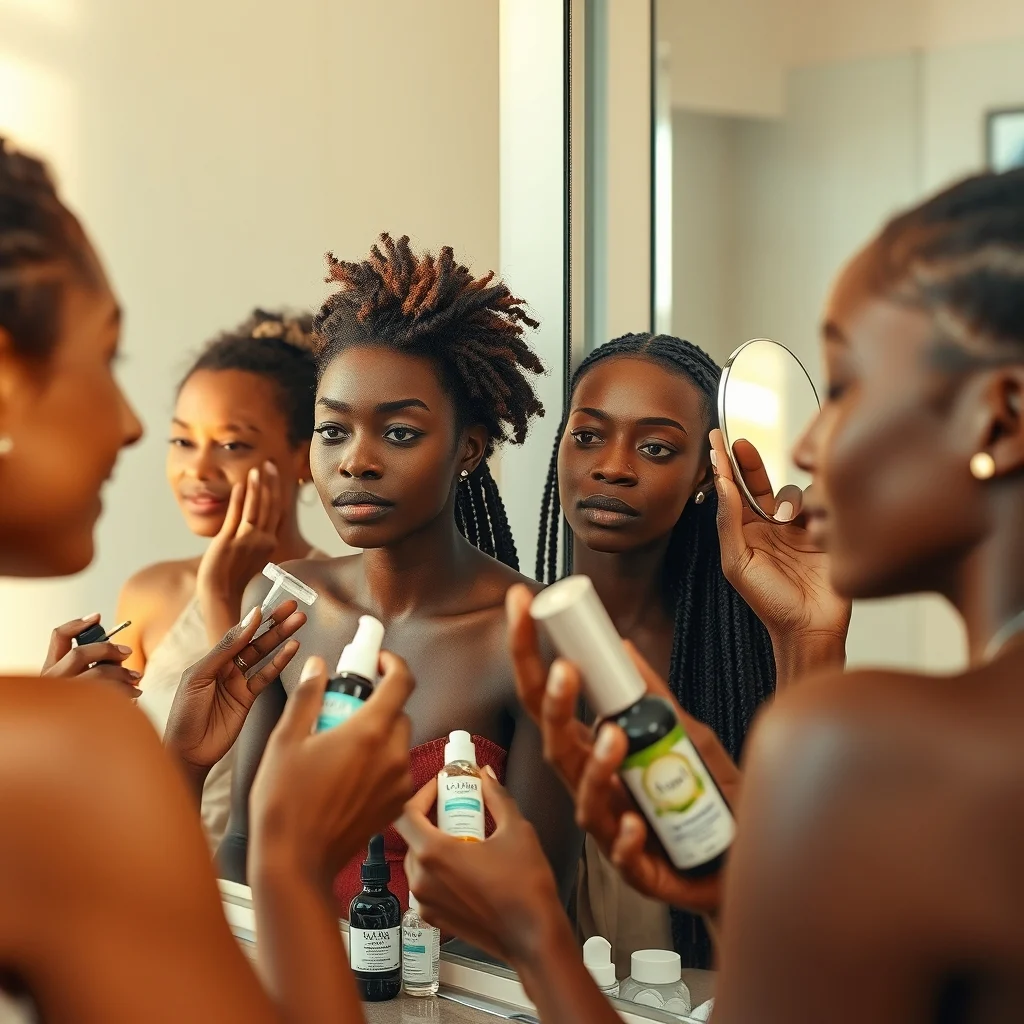
Skin of color requires specialized care to address hyperpigmentation, sensitivity, and barrier protection without compromising melanin integrity. Melanin protective skincare has evolved from niche formulations to a mainstream priority, driven by rising demand for evidence-based solutions that deliver visible results without irritation. This shift reflects broader awareness of the unique challenges faced by individuals with higher melanin concentrations, including post-inflammatory hyperpigmentation (PIH), uneven tone, and heightened reactivity to aggressive actives. Dermatologists, chemists, and consumers now prioritize ingredients and routines that respect melanin’s biological role while targeting discoloration and texture concerns.
Interest in melanin-conscious skincare surged in the past decade, coinciding with increased representation in clinical trials and product development. Brands like Paula’s Choice and Topicals have expanded their portfolios to include melanin-safe formulations, while independent studies confirm the efficacy of ingredients like niacinamide, tranexamic acid, and alpha arbutin. Despite progress, misinformation persists, particularly around the safety of chemical peels and exfoliants for darker skin tones. This article examines the science, safety protocols, and stakeholder perspectives shaping the future of melanin protective skincare.
The Evolution of Melanin-Conscious Skincare: Historical Context and Key Milestones
Skincare for melanin-rich skin has historically been overlooked in dermatological research. Early 20th-century studies focused predominantly on Caucasian skin, leading to generalized recommendations that often proved ineffective or harmful for deeper skin tones. The 1970s marked a turning point with the introduction of hydroquinone, the first FDA-approved skin-lightening agent, though its use in high concentrations later raised safety concerns.
- 1980s-1990s: Dermatologists began documenting the prevalence of PIH in patients of color, prompting calls for melanin-specific protocols. The term “post-inflammatory hyperpigmentation” entered clinical lexicons, though treatment options remained limited.
- 2000s: The rise of K-beauty introduced gentler alternatives like licorice root extract and centella asiatica, which gained traction for their soothing and brightening properties. Concurrently, the FDA issued warnings about mercury in skin-lightening creams, highlighting the risks of unregulated products.
- 2010s: Clinical trials expanded to include diverse skin types, validating ingredients like niacinamide and azelaic acid for hyperpigmentation. Brands like Black Girl Sunscreen and Bolden emerged, catering exclusively to melanin-rich skin with SPF and antioxidant formulations.
- 2020-Present: The #MelaninMatters movement and social media advocacy accelerated demand for inclusive skincare. A 2022 study in the Journal of Clinical and Aesthetic Dermatology found that 68% of Black women reported dissatisfaction with available skincare options, citing lack of efficacy or irritation.
Mechanisms of Melanin Protective Skincare: How Key Ingredients Work
Melanin protective skincare operates through three primary pathways: tyrosinase inhibition, barrier reinforcement, and anti-inflammatory action. Tyrosinase inhibitors like kojic acid and alpha arbutin reduce melanin production by blocking the enzyme responsible for pigment synthesis. Barrier-protective ingredients such as ceramides and squalane prevent transepidermal water loss, reducing the risk of irritation—a common trigger for PIH.
Niacinamide, a form of vitamin B3, exemplifies this multifaceted approach. A 2019 study in the British Journal of Dermatology demonstrated its ability to reduce hyperpigmentation by 35-60% over 12 weeks while improving skin barrier function. Similarly, tranexamic acid, originally developed as a blood-clotting agent, has shown promise in clinical trials for its ability to disrupt melanin transfer between cells.
| Ingredient | Primary Function | Efficacy for Dark Skin | Potential Risks |
|---|---|---|---|
| Kojic Acid | Tyrosinase inhibition | High (40-50% reduction in hyperpigmentation) | Sensitivity, irritation if overused |
| Niacinamide | Barrier repair, anti-inflammatory | Moderate (35-60% improvement) | Minimal, rare flushing at high concentrations |
| Azelaic Acid | Anti-inflammatory, keratolytic | High (effective for PIH and acne) | Mild stinging, dryness |
| Tranexamic Acid | Melanin transfer inhibition | Emerging (20-40% improvement in trials) | Low, but long-term data limited |
Quantitative Insights: Market Growth and Consumer Behavior
The global market for melanin protective skincare is projected to reach $12.4 billion by 2027, growing at a CAGR of 8.3%, according to a 2023 report by Grand View Research. This expansion is fueled by rising disposable income in emerging markets and increased awareness of skin health disparities. A 2022 survey by Essence magazine revealed that 72% of Black women prioritize skincare products labeled “melanin-safe,” up from 45% in 2018.
Consumer preferences are shifting toward multifunctional products. Data from NielsenIQ shows a 120% increase in sales of serums combining niacinamide and vitamin C, which offer both brightening and antioxidant benefits. However, price remains a barrier: melanin-conscious products are, on average, 23% more expensive than conventional alternatives, reflecting higher R&D costs and specialized formulations.
Systemic Impacts: Dermatological, Economic, and Sociocultural Dimensions
The rise of melanin protective skincare has had far-reaching implications beyond individual skin health. Dermatologically, it has prompted a reevaluation of clinical guidelines for treating hyperpigmentation in skin of color. The American Academy of Dermatology (AAD) now recommends a “low and slow” approach for chemical peels, favoring gentler acids like lactic or mandelic over glycolic for darker skin tones.
Economically, the demand for melanin-safe products has spurred innovation in ingredient sourcing. Companies like Unilever and L’Oréal have invested in sustainable supply chains for botanicals like licorice root and turmeric, which are prized for their brightening properties. Socioculturally, the movement has challenged Eurocentric beauty standards, fostering greater representation in advertising and product development.
“The shift toward melanin-conscious skincare isn’t just about aesthetics—it’s about equity,” says Dr. Michelle Henry, a board-certified dermatologist and clinical instructor at Weill Cornell Medicine. “For too long, people of color were told their skin concerns were secondary. Now, we’re seeing a correction, but there’s still work to be done in education and accessibility.”
Stakeholder Perspectives: Conflicting Priorities and Emerging Consensus
Stakeholders in the melanin protective skincare space hold divergent views on safety, efficacy, and market strategies. Dermatologists emphasize evidence-based formulations, while consumers often prioritize visible results and brand transparency. Regulatory bodies like the FDA and EU’s Scientific Committee on Consumer Safety (SCCS) continue to scrutinize ingredients like hydroquinone and arbutin, balancing efficacy against potential risks.
“The biggest challenge is dispelling myths,” notes Dr. Jeanine Downie, a dermatologist and founder of Image Dermatology. “Many patients assume that if a product is marketed as ‘natural,’ it’s automatically safe for melanin-rich skin. That’s not always the case. Ingredients like lemon juice or undiluted essential oils can cause more harm than good.”
Industry leaders advocate for standardized labeling to help consumers navigate the crowded market. “We need clearer guidelines on what ‘melanin-safe’ actually means,” says Olamide Olowe, CEO of Topicals. “Right now, it’s a buzzword that brands can slap on any product. That erodes trust.”
Independent researchers, meanwhile, call for more long-term studies on emerging ingredients. “Tranexamic acid is promising, but we don’t yet have data on its effects beyond 12 months,” says Dr. Heather Woolery-Lloyd, director of the Skin of Color Division at the University of Miami. “We also need to explore how these ingredients interact with other skincare staples like retinoids.”
Pending Variables and Future Trajectories
The melanin protective skincare landscape is poised for further evolution, driven by advancements in biotechnology and regulatory reforms. Upcoming milestones include the FDA’s review of over-the-counter hydroquinone products, slated for completion in 2025, and the SCCS’s assessment of alpha arbutin’s safety profile. Innovations like encapsulated retinol and microbiome-friendly exfoliants may offer new solutions for hyperpigmentation without compromising barrier integrity.
Consumer education remains a critical variable. A 2023 study by Procter & Gamble found that 60% of women of color are unaware of the link between sun exposure and hyperpigmentation, underscoring the need for targeted awareness campaigns. Brands are responding with initiatives like CeraVe’s “Melanin Matters” platform, which provides dermatologist-led tutorials on melanin-safe skincare.
As the market expands, the focus will likely shift from reactive treatments to preventive care. “The future of melanin protective skincare lies in personalized routines,” predicts Dr. Henry. “We’re moving toward a model where products are tailored not just to skin tone, but to genetic predispositions, environmental factors, and lifestyle habits. That’s where the real breakthroughs will happen.”
For now, the most effective approach combines evidence-based ingredients with consistent, gentle routines. Whether through a niacinamide for dark skin serum or a gentle fade dark spots regimen, the goal remains the same: achieving radiant, even-toned skin without compromising its natural resilience.
You may also like
-
The Comprehensive Dynamics of Melanin Ritual Skincare: Science, Routines, and Equity for Medium to Dark Skin Tones in 2025
-
The Comprehensive Framework for Melanin-Conscious Skincare: Evidence-Based Strategies for Hyperpigmentation, Brightening, and Barrier Resilience
-
The Global Resurgence of Ancestral Melanin Care: Tradition, Science, and Identity in Contemporary Skincare
-
The Essential Components of Melanin Ritual Skincare: A 2025 Breakdown of Dark Skin Radiance, Formulation Science, and Dermatological Precision for Rich Complexions
-
Sustainable Fashion: How the Industry is Shifting Toward Ethical and Eco-Friendly Practices