
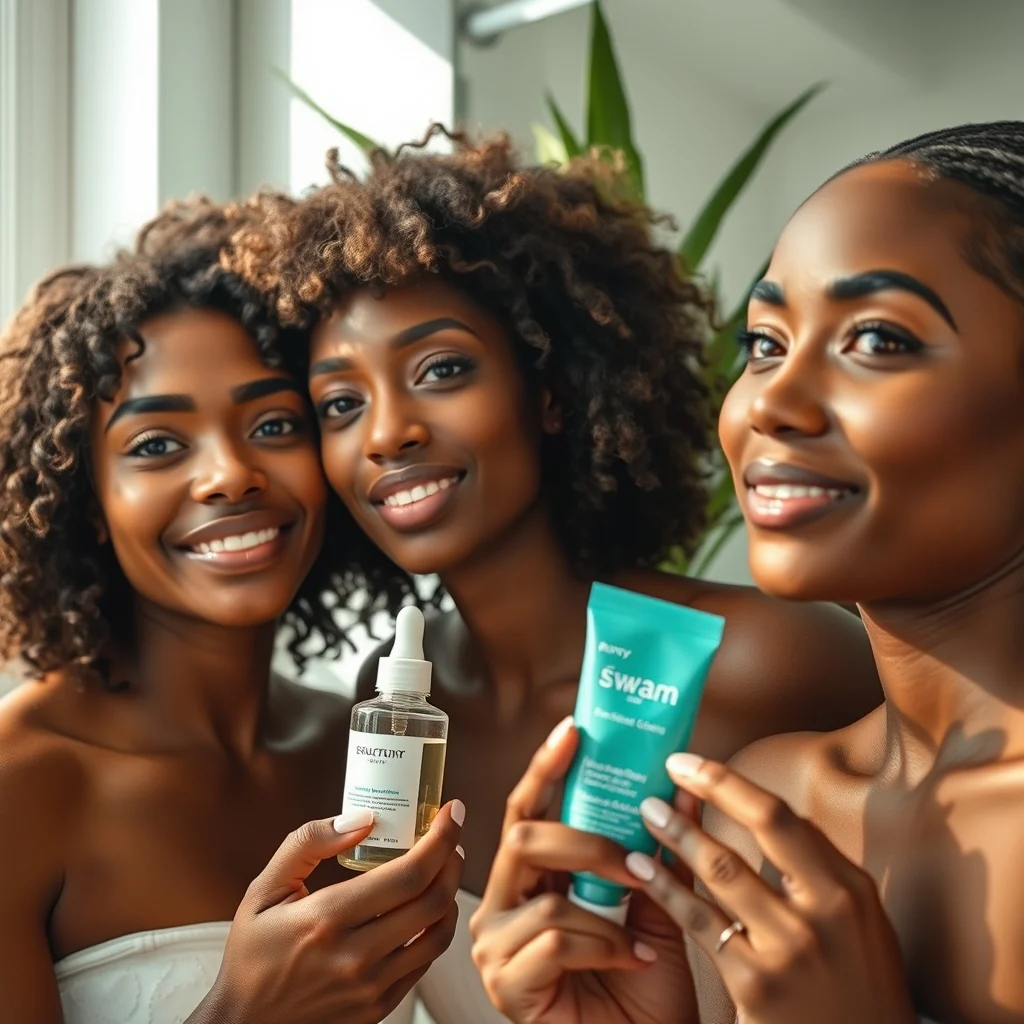
Finding the right ingredients for deeper skin tones can feel overwhelming, especially when so many products promise results but leave your skin feeling irritated or uneven. The truth is, melanin-rich skin has unique needs—what works for lighter skin may not deliver the same glow or protection. The good news? With the right approach, you can build a routine that enhances your natural radiance while keeping your skin healthy and resilient.
Why Melanin-Rich Skin Needs Special Attention
Deeper skin tones are more prone to hyperpigmentation, dark spots, and uneven texture due to higher melanin levels. This means that even minor irritation—like a breakout or a scratch—can leave behind stubborn marks. The key is to focus on ingredients that brighten, soothe, and strengthen your skin’s barrier without causing inflammation.
Many people make the mistake of using harsh exfoliants or brightening agents that strip the skin, leading to more problems. Instead, opt for gentle yet effective ingredients that work with your skin’s natural chemistry. This guide will help you navigate the best options for a balanced, glowing complexion.
Gentle Exfoliation for Smooth, Even Skin
Exfoliation is essential for removing dead skin cells and preventing clogged pores, but it’s easy to overdo it. For deeper skin tones, chemical exfoliants like lactic acid or mandelic acid are ideal because they’re less likely to cause irritation compared to physical scrubs. These acids also help fade dark spots over time by promoting cell turnover.
Start with a low concentration (5-10%) and use it just once or twice a week. If your skin feels sensitive, reduce the frequency. Always follow up with a hydrating serum to keep your skin balanced and calm.
Brightening Without the Burn
Ingredients like niacinamide, vitamin C, and licorice root extract are powerhouses for fading hyperpigmentation and evening out skin tone. Niacinamide, in particular, is a multitasker—it reduces redness, strengthens the skin barrier, and minimizes the appearance of dark spots. Look for a concentration of 5% or higher for the best results.
Vitamin C is another favorite, but it’s important to choose the right form. L-ascorbic acid is potent but can be irritating for sensitive skin. If you’re new to vitamin C, try a gentler derivative like magnesium ascorbyl phosphate, which brightens without the sting.
Hydration Is Non-Negotiable
Dryness can make dark spots and uneven texture more noticeable, so keeping your skin hydrated is crucial. Hyaluronic acid is a must—it holds up to 1,000 times its weight in water, plumping the skin and reducing the appearance of fine lines. Pair it with a lightweight, non-comedogenic moisturizer to lock in moisture without clogging pores.
For extra nourishment, look for ceramides and squalane in your moisturizer. These ingredients help repair the skin barrier, preventing moisture loss and keeping your complexion soft and supple.
Sun Protection: Your Best Defense
One of the biggest misconceptions about deeper skin tones is that they don’t need sunscreen. While melanin does offer some protection against UV rays, it’s not enough to prevent sun damage, hyperpigmentation, or premature aging. A broad-spectrum SPF 30 or higher is essential, even on cloudy days.
Opt for a sunscreen that’s lightweight and non-greasy, so it doesn’t leave a white cast. Mineral sunscreens with zinc oxide or titanium dioxide are great options, but if you prefer a chemical sunscreen, look for one that blends seamlessly into your skin tone.
Soothing Ingredients for Sensitive Skin
If your skin is prone to redness or irritation, ingredients like aloe vera, centella asiatica, and oat extract can help calm inflammation. These botanicals are gentle yet effective, making them perfect for sensitive or reactive skin. They also work well alongside other active ingredients, so you don’t have to sacrifice results for comfort.
When introducing new products, always patch-test first to avoid potential reactions. If your skin feels tight or looks flushed, scale back and focus on soothing and hydrating until it recovers.
Building a skincare routine for deeper skin tones doesn’t have to be complicated. Start with a few key ingredients for deeper skin tones, like a gentle exfoliant, a brightening serum, and a hydrating moisturizer, and layer in sun protection daily. Over time, you’ll notice a more even, radiant complexion that glows from within. The best part? You don’t need a cabinet full of products—just the right ones for your skin’s unique needs. Why not pick one ingredient to try this week and see how your skin responds?
For more information on safe skincare ingredients, visit the American Academy of Dermatology.
You may also like
-
Brighten Skin Naturally: A Beginner’s Guide to Safe Ingredients
-
Brighten Skin Safely: A Beginner’s Guide to Ingredients for Deeper Tones
-
Brighten Naturally: A Beginner’s Guide to Gentle Ingredients
-
Brighten Naturally: A Beginner’s Guide to Skinimalist Ingredients
-
Brighten Skin Naturally: Safe Ingredients for Deeper Tones