
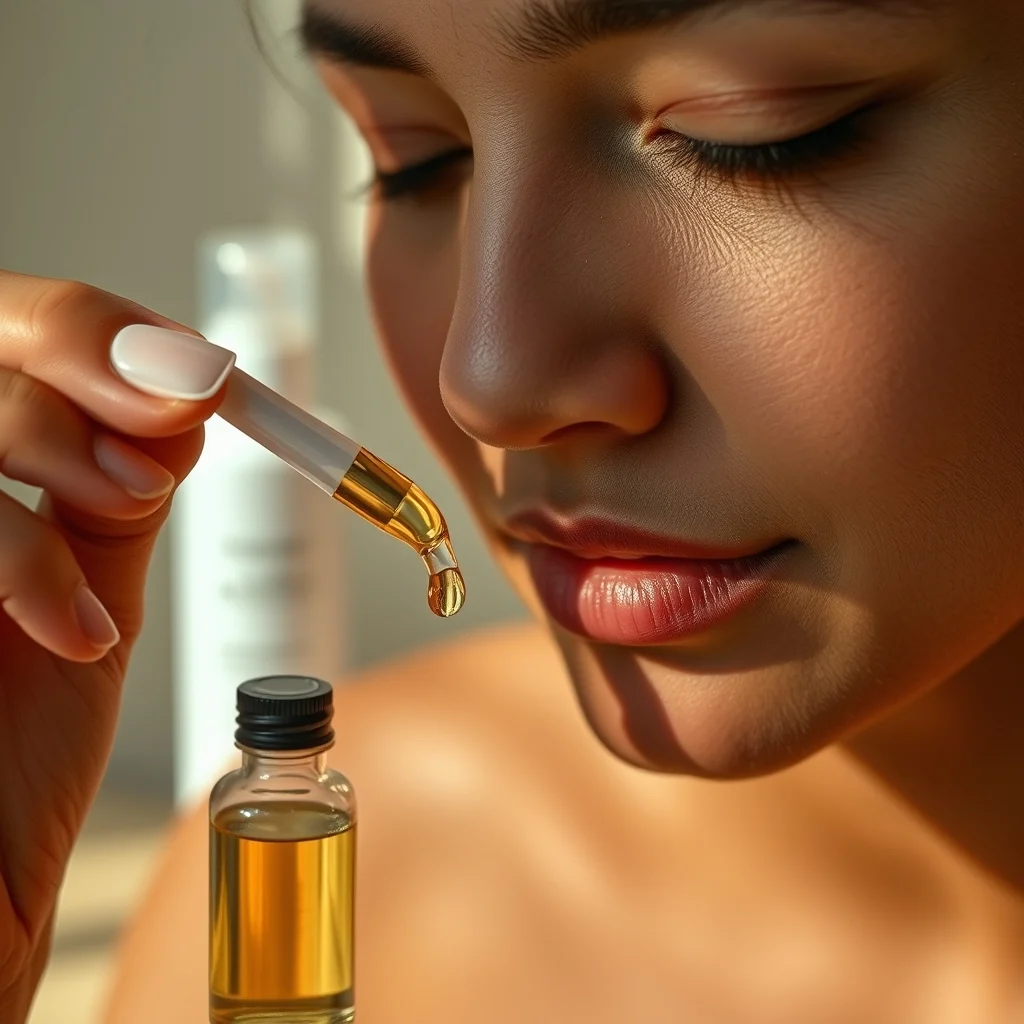
Struggling to achieve a radiant complexion without compromising your skin’s health? If you have deeper skin tones, finding the right ingredients can feel overwhelming—especially when so many products promise results but fall short. The key lies in understanding which natural and science-backed ingredients can enhance your glow while keeping irritation at bay. By focusing on gentle yet effective actives, you can build a routine that respects your skin’s unique needs and delivers long-term brightness.
When it comes to ingredients for deeper skin tones, the goal isn’t just about fading darkness but nurturing a balanced, resilient barrier. Many people mistakenly believe that aggressive brightening agents are necessary, but the truth is that patience and the right ingredients yield far better results. Let’s explore how to approach this mindfully, ingredient by ingredient.
Start with a Gentle Cleanser to Preserve Your Skin’s Balance
A strong first step in any skincare routine is cleansing, but for deeper skin tones, this process requires extra care. Harsh sulfates can strip natural oils, leading to dryness or even hyperpigmentation over time. Instead, opt for a creamy or oil-based cleanser with ingredients like squalane or ceramide-rich formulas to maintain moisture while removing impurities. These ingredients help fortify the skin’s barrier, reducing the risk of irritation that can trigger uneven tone.
Look for cleansers that avoid fragrance and alcohol, as these can disrupt melanin production and worsen discoloration. A gentle cleanser sets the foundation for the rest of your routine, ensuring that your skin is receptive to the brightening actives that follow.
Transitioning from cleansing to treatment, the next layer should focus on hydration and protection. This is where hyaluronic acid and niacinamide come into play.
Hydration and Niacinamide: The Dynamic Duo for Even Tone
Niacinamide is a powerhouse ingredient that does more than just brighten—it strengthens the skin’s barrier, reduces redness, and evens out discoloration over time. Unlike harsh acids, niacinamide works gradually, making it ideal for sensitive or reactive skin. It’s also versatile, fitting seamlessly into serums, moisturizers, or even sunscreens.
Pair niacinamide with hyaluronic acid to boost hydration levels. Dehydrated skin is more prone to dullness and uneven texture, so keeping your skin plump and moisturized helps prevent the appearance of dark spots. Together, these ingredients create a calming and prepping layer that allows subsequent actives to penetrate more effectively.
For those with oily skin, niacinamide also helps regulate sebum production, making it a win-win for multiple skin concerns.
Brightening Actives: Alpha Arbutin and Licorice Root Extract
When it comes to targeting hyperpigmentation, two ingredients stand out for their safety and efficacy on deeper skin tones: alpha arbutin and licorice root extract. Both are derived from natural sources and are far gentler than synthetic alternatives like hydroquinone, which can cause long-term damage.
Alpha arbutin works by inhibiting tyrosinase, an enzyme responsible for melanin production. It’s particularly effective for fading dark spots and sun damage without irritating the skin. Licorice root extract, on the other hand, soothes inflammation and provides a subtle brightening effect, making it ideal for sensitive or reactive skin.
To incorporate these into your routine, look for serums or lightweight moisturizers containing 1-2% alpha arbutin. Licorice root extract can be found in many K-beauty products, often combined with other soothing agents like panthenol (provitamin B5).
Sun Protection: The Non-Negotiable Step for Lasting Results
No discussion about brightening deeper skin tones is complete without emphasizing the importance of sunscreen. UV exposure accelerates pigmentation and can undo the progress made by your brightening ingredients. Choose a broad-spectrum SPF of 30 or higher, preferably one with a matte or dewy finish to suit your skin type.
For deeper skin tones, mineral sunscreens with zinc oxide or titanium dioxide are excellent options, as they provide physical protection without leaving a white cast. If you prefer a lighter feel, chemical filters like Mexoryl or Tinosorb can offer seamless coverage while still delivering strong UV defense.
Apply sunscreen as the last step in your morning routine, even on cloudy days. Consistency is key—skipping this step can lead to stubborn dark spots and uneven tone over time.
Moisturize and Seal with Ceramides and Peptides
A well-hydrated skin barrier is your first line of defense against dullness and discoloration. Ceramides help restore the skin’s natural lipid barrier, preventing moisture loss and irritation. When combined with peptides, which support collagen production, your skin appears firmer and more radiant.
For those with dry or sensitive skin, a moisturizer with ceramides and squalane can lock in hydration while calming redness. If you’re prone to oiliness, lighter gel-cream formulas with peptides can refine pores and improve texture without clogging them.
This step is often overlooked, but sealing in moisture ensures that your brightening ingredients work optimally. Think of it as the final layer of protection for your skin’s resilience.
Patch Test and Introduce Ingredients Gradually
Before diving into a full routine, it’s crucial to patch test new products, especially if you have sensitive skin. Apply a small amount of the product to your jawline or behind your ear and wait 24-48 hours to check for reactions. This simple step can prevent irritation and ensure that your skin accepts the ingredients well.
Introduce one new product at a time to monitor how your skin responds. For example, start with a niacinamide serum for a week before adding alpha arbutin. This gradual approach helps you identify which ingredients work best for your skin type and tolerance.
Patience is key—visible results from brightening ingredients can take anywhere from 4 to 12 weeks. Consistency and gentleness will always yield better outcomes than rushing the process.
Building a routine that brightens your skin naturally doesn’t have to be complicated. By focusing on gentle yet effective ingredients like niacinamide, alpha arbutin, and ceramides, you can achieve a radiant complexion without compromising your skin’s health. Start with a clean slate, protect with sunscreen, and nurture your skin’s barrier—your glow will follow in time. For more personalized advice, explore resources from trusted sources like the American Academy of Dermatology to ensure your routine aligns with your skin’s unique needs.
You may also like
-
Brighten Skin Naturally: A Beginner’s Guide to Safe Ingredients
-
Brighten Skin Safely: A Beginner’s Guide to Ingredients for Deeper Tones
-
Brighten Naturally: A Beginner’s Guide to Gentle Ingredients
-
Brighten Naturally: A Beginner’s Guide to Skinimalist Ingredients
-
Brighten Skin Naturally: A Beginner’s Guide to Safe Ingredients