
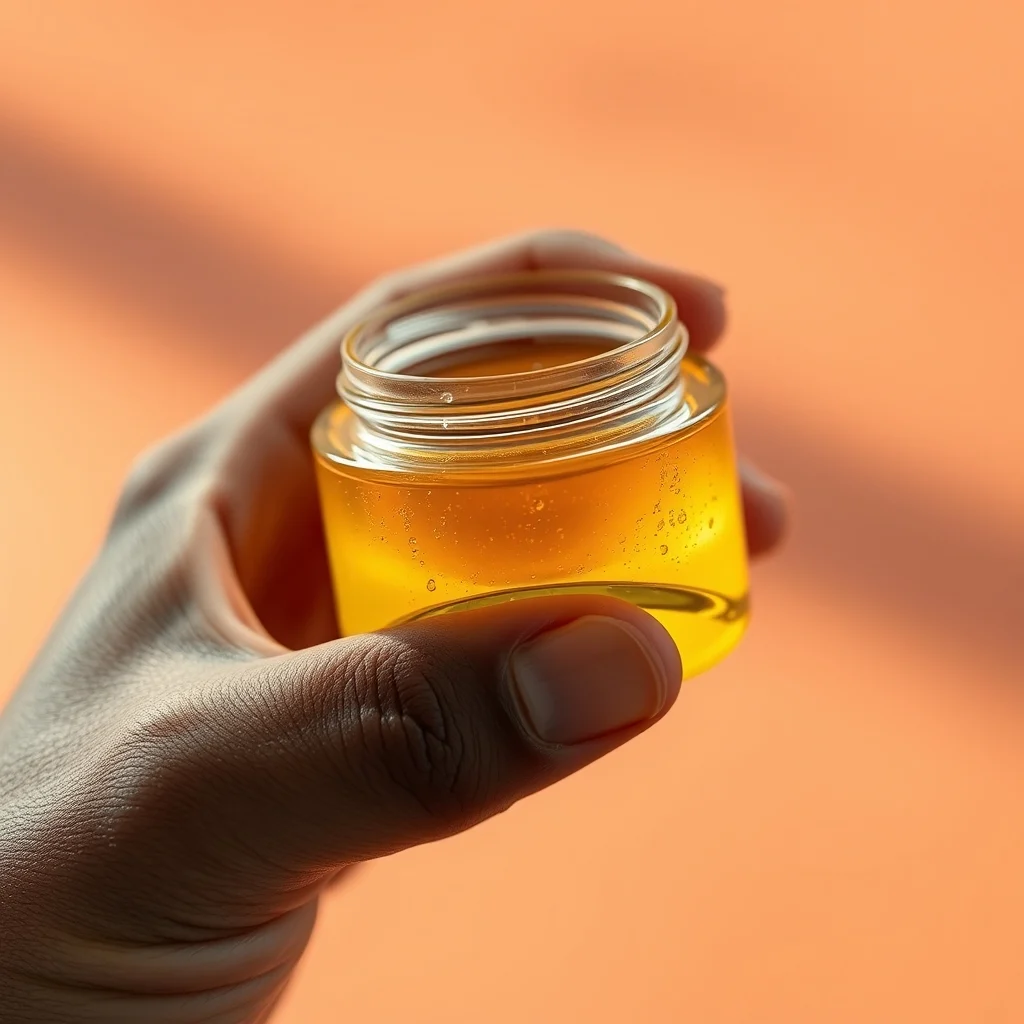
Struggling to achieve a radiant complexion without harsh chemicals or irritation? Finding the right **ingredients for deeper skin tones** can feel overwhelming, especially when so many products promise results that don’t align with your skin’s needs. The key lies in understanding gentle yet effective actives that enhance your natural glow while respecting your skin’s sensitivity and melanin-rich nature.
For beginners, the journey to brighter, even-toned skin starts with simplicity. The right ingredients can make all the difference—whether you’re dealing with dullness, uneven texture, or mild discoloration. This guide breaks down the essentials, helping you build a safe, effective routine tailored to your skin’s unique requirements.
Before diving in, it’s important to note that melanin-rich skin often reacts differently to certain ingredients. Always patch-test new products and introduce them gradually. For additional guidance, you can explore resources from the American Academy of Dermatology to ensure your routine aligns with best practices.
Now, let’s explore the foundational ingredients and practices that will set you on the path to a healthier, more luminous complexion.
Why Gentle Ingredients Are Key for Deeper Skin Tones
Deeper skin tones often require a more cautious approach to brightening. Harsh exfoliants or overactive ingredients can strip the skin, leading to irritation, redness, or even hyperpigmentation. The goal is to enhance your skin’s natural radiance without compromising its barrier. Ingredients like licorice root extract, niacinamide, and azelaic acid are celebrated for their ability to promote evenness and luminosity while being gentle enough for regular use.
Licorice root extract, for instance, is a powerhouse for reducing dark spots and evening out skin tone. It contains glabridin, a compound that inhibits melanin production, making it ideal for those looking to fade discoloration over time. Meanwhile, niacinamide strengthens the skin barrier, reduces redness, and improves overall texture—qualities that make it a staple in melanin-conscious routines.
When introducing these ingredients, start with a low concentration to assess your skin’s tolerance. For example, a serum with 2% niacinamide can be applied every other night before gradually increasing frequency if no irritation occurs. Consistency is key, but patience is just as important—visible results often take a few weeks to manifest.
Another critical factor is understanding your skin’s specific needs. While some ingredients work wonders for dryness, others are better suited for oily or combination skin. For now, focus on building a routine that prioritizes hydration, barrier support, and gradual brightening.
Building a Barrier-First Routine for Long-Term Results
A strong skin barrier is the foundation of any effective skincare regimen, especially for deeper skin tones. A compromised barrier can lead to increased sensitivity, slower healing, and even worsened hyperpigmentation. To keep your skin resilient, incorporate hydrating and repairing ingredients like ceramides, squalane, and colloidal oatmeal into your daily routine.
Ceramides are lipids that naturally occur in the skin, helping to lock in moisture and protect against environmental stressors. Look for products containing ceramides to reinforce your skin’s protective layer. Squalane, a lightweight, non-comedogenic oil derived from olives or sugarcane, mimics the skin’s natural sebum, providing deep hydration without clogging pores. It’s an excellent addition for those with dry or sensitive skin.
Incorporating these ingredients doesn’t have to be complicated. Start with a gentle cleanser that doesn’t strip natural oils, followed by a hydrating serum or essence. A moisturizer with ceramides or squalane can then seal in hydration, while a broad-spectrum sunscreen applied in the morning completes the barrier-protective routine.
If you’re new to skincare, consider simplifying your routine to avoid overwhelm. A basic AM/PM regimen—cleanser, moisturizer, and sunscreen—can be expanded over time as you introduce actives like niacinamide or licorice root extract. The goal is to create a routine that feels sustainable and nourishing, not restrictive.
The Role of Antioxidants in Protecting and Brightening
Antioxidants are essential for combating free radicals, which can accelerate aging and contribute to uneven skin tone. For deeper skin tones, antioxidants like vitamin C (L-ascorbic acid), vitamin E, and green tea extract can help neutralize oxidative stress while promoting a brighter complexion. However, it’s crucial to choose the right form of vitamin C to avoid irritation.
L-ascorbic acid is the most potent and well-researched form of vitamin C, but it can be too harsh for some melanin-rich skin types, especially at higher concentrations. Opt for gentler derivatives like tetrahexyldecyl ascorbate (THD ascorbate) or sodium ascorbyl phosphate, which provide similar benefits with less risk of sensitivity. Pairing vitamin C with vitamin E can further enhance its stability and soothing properties.
Green tea extract is another antioxidant-rich ingredient that calms inflammation and reduces redness. It’s packed with polyphenols, which help protect the skin from environmental damage. To incorporate it into your routine, look for serums or essences that combine green tea extract with hydrating ingredients like hyaluronic acid.
When using antioxidants, apply them in the morning under sunscreen to maximize their protective benefits. Always follow up with a moisturizer to lock in hydration and reinforce your skin’s barrier. Over time, these ingredients can help prevent further darkening while gradually improving skin tone.
Exfoliation: How to Do It Safely for Deeper Skin Tones
Exfoliation is a common step in brightening routines, but it requires careful handling, especially for melanin-rich skin. Physical exfoliants like scrubs can be abrasive and may cause micro-tears, leading to post-inflammatory hyperpigmentation (PIH). Instead, opt for chemical exfoliants that dissolve dead skin cells without causing trauma.
Azelaic acid and lactic acid are two of the safest and most effective exfoliants for deeper skin tones. Azelaic acid not only exfoliates but also reduces inflammation and fades dark spots by inhibiting melanin production. It’s versatile enough to be used both morning and night, though starting with a lower concentration (like 10%) is advisable for beginners.
Lactic acid, an alpha hydroxy acid (AHA), gently dissolves dead skin cells and boosts hydration. It’s particularly beneficial for dry or sensitive skin, as it doesn’t cause as much irritation as stronger AHAs like glycolic acid. To use lactic acid, start with a 5% concentration 1–2 times per week and gradually increase as tolerated.
When exfoliating, always follow up with a hydrating moisturizer and sunscreen to protect your skin from further damage. Never use exfoliants on irritated or sunburned skin, and avoid mixing them with other actives like retinol or high-percentage vitamin C in the same routine to prevent over-sensitivity.
Remember, exfoliation should never be daily. For most beginners, 1–2 times per week is sufficient to achieve smoother, brighter skin without risking irritation.
Sun Protection: The Non-Negotiable Step for Even Skin Tone
No brightening routine is complete without sun protection. UV exposure is one of the leading causes of hyperpigmentation, dark spots, and uneven skin tone. For deeper skin tones, sun damage can manifest as patches of hyperpigmentation or a dull, lackluster complexion. That’s why broad-spectrum sunscreen should be a non-negotiable part of your daily routine.
When choosing a sunscreen, opt for a formula that provides SPF 30 or higher and is suitable for your skin type. Mineral sunscreens with zinc oxide or titanium dioxide are excellent options for sensitive skin, as they sit on top of the skin and provide a physical barrier against UV rays. Chemical sunscreens, while effective, may contain ingredients that can cause irritation or breakouts in some individuals.
To ensure full coverage, apply sunscreen 15 minutes before sun exposure and reapply every 2 hours, or immediately after swimming or sweating. Many people underestimate the amount needed—aim for about a nickel-sized dollop for the face and neck. Pairing sunscreen with a hat and seeking shade during peak sun hours (10 AM–4 PM) can further protect your skin from damage.
If you’re concerned about the white cast of mineral sunscreens, look for tinted or skin-toned options that blend seamlessly with deeper skin tones. Brands often offer a range of shades to suit different complexions, making it easier to find a formula that works for you.
Putting It All Together: A Simple Routine for Beginners
Now that you’re familiar with the key ingredients and practices, let’s simplify them into a beginner-friendly routine. The goal is to keep it easy, effective, and adaptable as you learn more about your skin’s needs.
**Morning Routine:**
1. **Cleanser:** Use a gentle, hydrating cleanser to remove overnight impurities without stripping your skin. Look for ingredients like hyaluronic acid or ceramide-rich formulas.
2. **Serum:** Apply a lightweight serum with niacinamide or vitamin C (THD ascorbate) to brighten and protect.
3. **Moisturizer:** Lock in hydration with a moisturizer containing squalane or ceramides.
4. **Sunscreen:** Finish with a broad-spectrum SPF 30 or higher, choosing a formula that suits your skin tone.
**Evening Routine:**
1. **Cleanser:** Repeat with the same gentle cleanser to remove sunscreen, makeup, and pollutants.
2. **Treatment (2–3 nights a week):** Apply a gentle exfoliant like azelaic acid or lactic acid, or a licorice root extract serum for targeted brightening.
3. **Moisturizer:** Use a richer moisturizer with colloidal oatmeal or shea butter to repair and soothe.
This routine balances simplicity with effectiveness, allowing you to focus on building healthy habits without overwhelm. As you become more comfortable, you can introduce additional actives or adjust concentrations based on your skin’s response.
Starting your journey to brighter, healthier skin doesn’t have to be complicated. By focusing on gentle, barrier-supportive ingredients and consistent sun protection, you’re already laying the groundwork for long-term results. The key is patience—allow your skin time to adjust and respond to each step. With the right approach, you’ll not only achieve a more even skin tone but also strengthen your skin’s resilience for years to come.
Now is the perfect time to begin. Pick one or two ingredients from this guide to introduce into your routine this week, and observe how your skin responds. Small, consistent steps will lead to the radiant, confident complexion you’ve been dreaming of.
You may also like
-
Brighten Skin Naturally: A Beginner’s Guide to Safe Ingredients
-
Brighten Skin Safely: A Beginner’s Guide to Ingredients for Deeper Tones
-
Brighten Naturally: A Beginner’s Guide to Skinimalist Ingredients
-
Brighten Skin Naturally: Safe Ingredients for Deeper Tones
-
Brighten Skin Naturally: A Beginner’s Guide to Safe Ingredients