
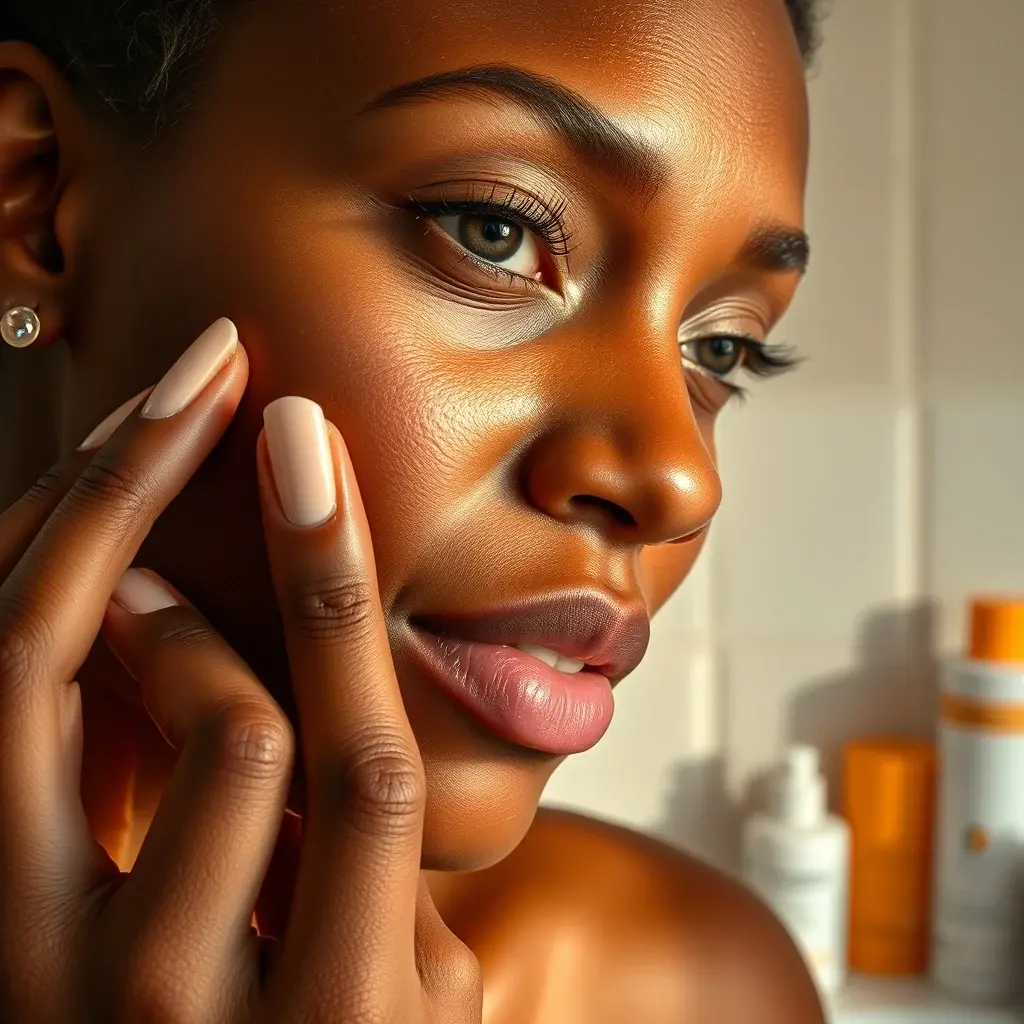
If you have deeper skin tones, you know that finding the right skincare ingredients can feel like navigating a maze. Hyperpigmentation, sensitivity, and uneven texture often take center stage, but the real secret to radiant skin lies in strengthening your skin’s barrier first. Without this foundation, even the most potent ingredients for deeper skin tones can fall short—or worse, cause irritation. The good news? A barrier-first approach doesn’t require a complicated routine or expensive products. It’s about choosing the right actives and using them the right way.
Why a Strong Barrier Matters More Than You Think
Your skin’s barrier is like a shield, protecting against environmental stressors while locking in moisture. For deeper skin tones, a compromised barrier can lead to dark spots, dullness, and increased sensitivity. The key is to focus on ingredients that repair and maintain this protective layer before diving into brightening or exfoliating treatments.
Ceramides, cholesterol, and fatty acids are the building blocks of a healthy barrier. These ingredients work together to restore hydration and resilience, creating a smooth canvas for other actives to shine. Think of them as the unsung heroes of your skincare routine—quietly working behind the scenes to keep your skin balanced and glowing.
Gentle Hydration: The Non-Negotiable Step
Hydration isn’t just about slathering on moisturizer—it’s about choosing ingredients that attract and retain water in the skin. Hyaluronic acid is a powerhouse for this, drawing moisture into the deeper layers where it’s needed most. For deeper skin tones, layering hyaluronic acid with a lightweight, non-comedogenic moisturizer can prevent dryness without clogging pores.
Squalane is another game-changer, mimicking the skin’s natural oils to provide lightweight hydration. Unlike heavier oils, squalane absorbs quickly, making it ideal for those who want moisture without the greasy feel. Pair it with a humectant like glycerin, and you’ve got a hydration duo that works for all skin types.
Brightening Without Compromising Your Barrier
Once your barrier is strong, you can safely introduce brightening ingredients like niacinamide and vitamin C. Niacinamide is a multitasker—it reduces inflammation, evens out skin tone, and even strengthens the barrier. For deeper skin tones, it’s a gentler alternative to harsher brightening agents that can trigger post-inflammatory hyperpigmentation.
Vitamin C is another staple, but not all forms are created equal. Look for stable derivatives like tetrahexyldecyl ascorbate or magnesium ascorbyl phosphate, which are less likely to irritate. When used in the morning, vitamin C protects against environmental damage while fading dark spots over time. Just remember to follow up with sunscreen to lock in the benefits.
Exfoliation: Less Is More for Deeper Skin Tones
Exfoliation is essential for removing dead skin cells and revealing a brighter complexion, but overdoing it can weaken your barrier. For deeper skin tones, chemical exfoliants like lactic acid or mandelic acid are safer than physical scrubs, which can cause micro-tears and irritation.
Start with a low concentration (5-10%) and use it once or twice a week. Lactic acid is particularly gentle, offering mild exfoliation while hydrating the skin. Mandelic acid, with its larger molecular size, penetrates more slowly, making it ideal for sensitive skin. Always listen to your skin—if it feels tight or looks red, scale back.
Sun Protection: The Ultimate Brightening Ingredient
No skincare routine is complete without sunscreen, especially for deeper skin tones prone to hyperpigmentation. UV exposure can darken existing spots and create new ones, undoing all your hard work. Opt for a broad-spectrum SPF 30 or higher, and choose formulas that blend seamlessly into your skin tone.
Mineral sunscreens with zinc oxide or titanium dioxide are great for sensitive skin, but they can leave a white cast. If that’s a concern, look for tinted versions or hybrid formulas that combine mineral and chemical filters. The key is consistency—apply sunscreen every morning, even on cloudy days, to protect your barrier and maintain an even tone.
Nighttime Repair: Let Your Skin Work While You Sleep
Nighttime is when your skin repairs itself, making it the perfect opportunity to support its natural processes. Peptides are a fantastic addition to your evening routine, stimulating collagen production and improving skin elasticity. They’re gentle yet effective, making them suitable for all skin types, including sensitive skin.
Retinoids are another powerhouse for nighttime repair, but they can be tricky for deeper skin tones. Start with a low concentration (0.025% or 0.05%) and use it sparingly to avoid irritation. If your skin reacts poorly, consider bakuchiol, a plant-based alternative that offers similar benefits without the side effects. Pair it with a nourishing moisturizer to keep your barrier happy.
Your skin’s glow starts with a strong foundation. By prioritizing barrier health, you’re not just addressing surface-level concerns—you’re creating a resilient canvas that lets your natural radiance shine through. Start with one or two of these ingredients, give your skin time to adjust, and watch as your complexion transforms from the inside out. The best part? You don’t need a 10-step routine to see results—just the right ingredients, used the right way.
You may also like
-
Brighten Skin Naturally: A Beginner’s Guide to Safe Ingredients
-
Brighten Skin Safely: A Beginner’s Guide to Ingredients for Deeper Tones
-
Brighten Naturally: A Beginner’s Guide to Gentle Ingredients
-
Brighten Naturally: A Beginner’s Guide to Skinimalist Ingredients
-
Brighten Skin Naturally: Safe Ingredients for Deeper Tones