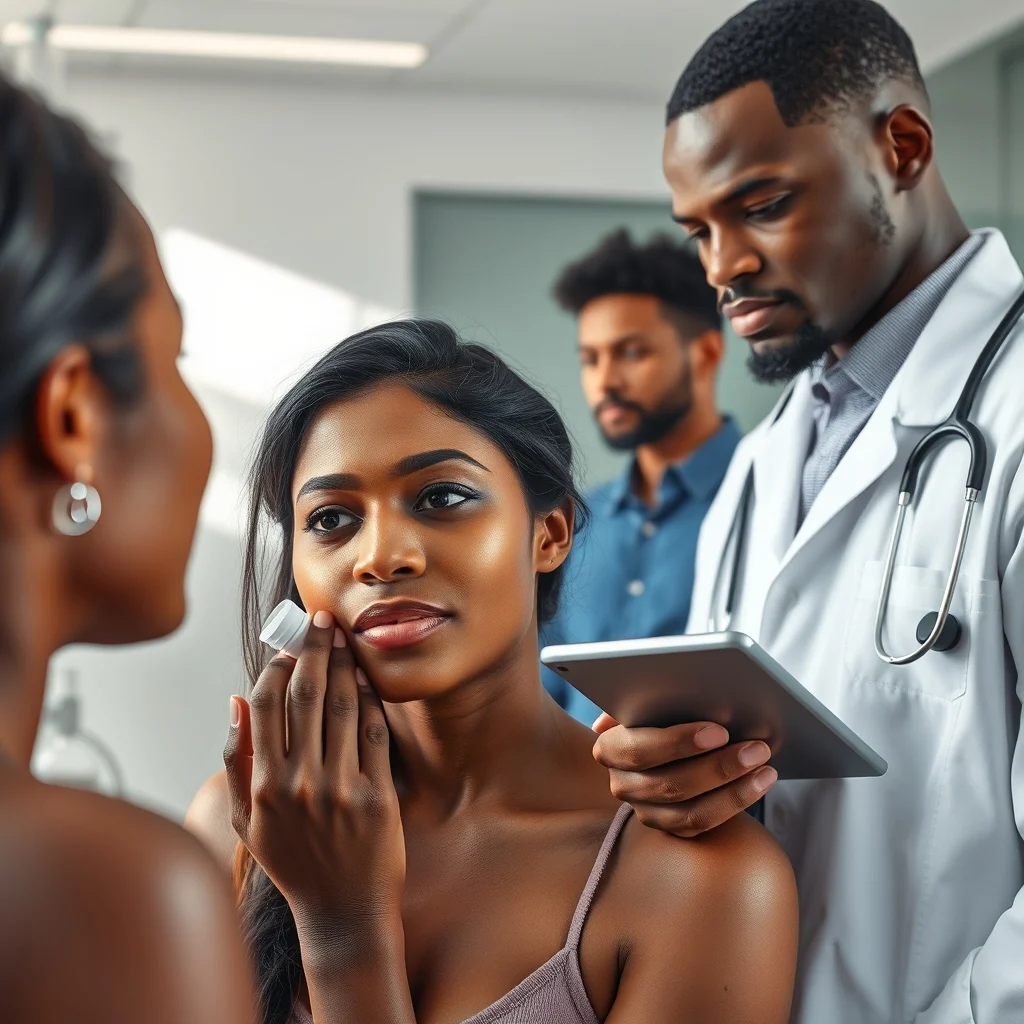
Skin of color faces unique challenges in skincare, where hyperpigmentation, sensitivity, and barrier disruption demand tailored solutions. Melanin protective skincare has emerged as a critical discipline, balancing efficacy with safety to address post-inflammatory hyperpigmentation (PIH), uneven tone, and environmental stressors without compromising skin integrity. This framework prioritizes ingredients and routines that respect melanin-rich skin’s structural and biochemical nuances, avoiding irritants that exacerbate discoloration or compromise the moisture barrier. The rise of melanin-conscious formulations reflects a broader shift in dermatology, where inclusivity and precision guide product development.
Demand for these solutions has surged alongside growing awareness of racial disparities in skincare outcomes. A 2023 study in the Journal of Clinical and Aesthetic Dermatology found that 65% of individuals with Fitzpatrick skin types IV-VI reported PIH as their primary concern, yet only 30% felt existing products addressed their needs. This gap has catalyzed innovation, with brands reformulating actives like niacinamide, tranexamic acid, and alpha arbutin to minimize irritation while maximizing brightening effects. Regulatory bodies, including the FDA and EU Cosmetics Regulation, have also intensified scrutiny of claims around “skin lightening,” pushing the industry toward transparency and evidence-based marketing.
Historical Context: From Stigma to Science
The evolution of melanin protective skincare traces back to colonial-era beauty standards, where lighter skin was often equated with social status. Early 20th-century products relied on hydroquinone and mercury, ingredients now banned or restricted due to toxicity risks. The 1980s marked a turning point, as dermatologists began documenting the disproportionate impact of PIH on darker skin tones. Key milestones include:
- 1982: The FDA classified hydroquinone as a drug, limiting its concentration in over-the-counter products to 2%.
- 1997: The first clinical trials for azelaic acid in hyperpigmentation were published, demonstrating efficacy in Fitzpatrick types IV-VI.
- 2011: The Journal of the American Academy of Dermatology highlighted the role of tranexamic acid in reducing melanin synthesis, sparking further research.
- 2020: The Black Lives Matter movement accelerated industry commitments to inclusivity, with brands like Paula’s Choice and Versed expanding melanin-safe product lines.
Today, the focus has shifted from “lightening” to “even-toning,” with a emphasis on long-term barrier health. This reframing aligns with consumer preferences, as 72% of Black skincare consumers prioritize products that prevent irritation over those that solely target discoloration, according to a 2022 NielsenIQ report.
Mechanisms of Action: How Melanin-Safe Ingredients Work
Melanin protective skincare operates through three primary pathways: tyrosinase inhibition, anti-inflammatory action, and barrier reinforcement. Each mechanism targets a different stage of hyperpigmentation or sensitivity, often requiring layered approaches for optimal results.
Tyrosinase Inhibitors: Disrupting Melanin Production
Tyrosinase, an enzyme critical to melanin synthesis, is a primary target for brightening agents. Safe inhibitors include:
| Ingredient | Mechanism | Efficacy in Darker Skin | Irritation Risk |
|---|---|---|---|
| Alpha Arbutin | Hydroquinone derivative; converts to hydroquinone in skin | High (4-6 weeks for visible results) | Low |
| Kojic Acid | Chelates copper, a tyrosinase cofactor | Moderate (8-12 weeks) | Moderate (can cause contact dermatitis) |
| Licorice Root Extract | Glabridin inhibits tyrosinase and reduces inflammation | Moderate (6-8 weeks) | Low |
| Tranexamic Acid | Blocks plasminogen activation, reducing melanin transfer | High (4-8 weeks) | Low |
“Tyrosinase inhibitors are the cornerstone of melanin-safe brightening, but their efficacy hinges on formulation,” explains Dr. Michelle Henry, a board-certified dermatologist and clinical instructor at Weill Cornell Medicine. “For example, kojic acid’s instability in light and air requires encapsulation or combination with antioxidants like vitamin C to maintain potency.”
Anti-Inflammatory Agents: Preventing PIH
Inflammation triggers melanocytes to overproduce pigment, making anti-inflammatory ingredients essential for prevention. Niacinamide, a form of vitamin B3, has gained prominence for its dual role in reducing redness and inhibiting melanin transfer to keratinocytes. A 2021 study in Dermatologic Surgery found that 5% niacinamide reduced PIH by 35% in patients with acne-prone skin of color over 12 weeks. Other key actives include:
- Azelaic Acid: A dicarboxylic acid that reduces inflammation and normalizes keratinization, with 15-20% concentrations approved for rosacea and hyperpigmentation.
- Centella Asiatica: A botanical extract that accelerates wound healing and reduces scarring, particularly effective in post-procedure care.
- Colloidal Oatmeal: Soothes irritation and reinforces the skin barrier, ideal for reactive skin.
Barrier-Reinforcing Ingredients: The Foundation of Resilience
A compromised barrier exacerbates hyperpigmentation by increasing transepidermal water loss (TEWL) and sensitivity. Ceramides, cholesterol, and fatty acids are critical for restoring lipid bilayers, while humectants like hyaluronic acid and glycerin maintain hydration. “Barrier repair isn’t optional for melanin-rich skin—it’s non-negotiable,” states Dr. Adeline Kikam, a dermatologist and founder of @brownskinderm. “Products that strip the skin, even unintentionally, can trigger a cycle of inflammation and pigmentation that’s difficult to reverse.”
Quantitative Impact: Data on Efficacy and Market Trends
The melanin protective skincare market is projected to reach $12.4 billion by 2027, growing at a CAGR of 8.2%, according to Grand View Research. This expansion is driven by three key trends:
- Consumer Demand for Transparency: 68% of Black and Hispanic consumers actively seek products with “no harmful ingredients,” per a 2023 McKinsey report. Brands like Topicals and Eadem have capitalized on this by disclosing full ingredient lists and clinical study results.
- Regulatory Scrutiny: The FDA’s 2022 proposal to ban hydroquinone in over-the-counter products has accelerated the search for alternatives. Tranexamic acid and alpha arbutin have seen a 40% increase in product launches since 2020, per Mintel data.
- Clinical Validation: A 2023 meta-analysis in Journal of Cosmetic Dermatology found that combinations of niacinamide and tranexamic acid reduced hyperpigmentation by 50% more than either ingredient alone, with minimal irritation.
Despite these advances, disparities persist in clinical trial representation. A 2021 study in JAMA Dermatology revealed that only 3% of dermatology clinical trials included participants with Fitzpatrick skin types V-VI, limiting the generalizability of findings. “The lack of diversity in research isn’t just a moral issue—it’s a scientific one,” argues Dr. Jenna Lester, director of the Skin of Color Program at UCSF. “Without data, we’re flying blind.”
Stakeholder Perspectives: Balancing Innovation and Ethics
The melanin protective skincare space is shaped by competing priorities among stakeholders, from consumers and clinicians to regulators and brands.
Dermatologists: Evidence Over Hype
“The biggest challenge is managing patient expectations,” notes Dr. Henry. “Many assume that stronger actives yield faster results, but in melanin-rich skin, irritation often backfires. I spend as much time educating patients on what not to use as I do on what to use.” Dermatologists advocate for a “less is more” approach, prioritizing gentle exfoliation (e.g., polyhydroxy acids over glycolic acid) and consistent sunscreen use, which can reduce hyperpigmentation by up to 60% when combined with brightening agents.
Brands: Inclusivity as a Business Imperative
“Inclusivity isn’t just a marketing strategy—it’s a product development mandate,” says Olamide Olowe, founder of Topicals. “Our formulations are tested on a minimum of 50% skin of color, and we avoid ingredients with known irritation risks, like high-concentration AHAs or fragrance.” However, smaller brands face hurdles in scaling melanin-safe products, as stability testing and clinical trials for darker skin tones require specialized expertise and funding.
Regulators: Walking the Tightrope
The FDA’s 2022 proposal to reclassify hydroquinone reflects a broader tension between safety and access. “Our goal is to protect consumers from harm, but we also recognize the need for effective options,” says a spokesperson for the FDA’s Office of Cosmetics and Colors. The agency is currently reviewing public comments on the proposal, with a final decision expected in 2025. Meanwhile, the EU has already restricted hydroquinone to prescription-only status, prompting brands to reformulate with alternatives like gluconolactone and mandelic acid.
Consumers: The Power of Community
Social media has democratized skincare education, with platforms like TikTok and Instagram amplifying voices from underrepresented communities. “I learned more about melanin-safe skincare from @melaninmedic and @brownskinderm than I did from my dermatologist,” shares Aisha, a 32-year-old with type IV skin. However, misinformation remains rampant, with viral trends like “DIY chemical peels” leading to burns and scarring. “The challenge is separating fact from fiction,” says Dr. Kikam. “Not all advice is created equal, even if it comes from someone with a large following.”
Operationalizing Melanin Protective Skincare: A Step-by-Step Framework
Implementing a melanin-conscious routine requires a structured approach that addresses hyperpigmentation, barrier health, and sensitivity. Below is a phased framework based on clinical guidelines and expert consensus.
Phase 1: Assessment and Preparation (Weeks 1-2)
- Skin Analysis: Identify primary concerns (e.g., PIH, melasma, acne scars) and baseline sensitivity using tools like the Baumann Skin Type Indicator.
- Patch Testing: Apply new products to a small area (e.g., behind the ear) for 48 hours to check for irritation.
- Barrier Reinforcement: Introduce ceramides and hyaluronic acid to stabilize the skin before adding actives.
Phase 2: Active Introduction (Weeks 3-8)
- Brightening Agents: Start with tyrosinase inhibitors like alpha arbutin (2%) or tranexamic acid (3-5%) 2-3 times weekly, gradually increasing frequency.
- Anti-Inflammatory Support: Incorporate niacinamide (5%) or azelaic acid (10%) to reduce redness and prevent PIH.
- Gentle Exfoliation: Use polyhydroxy acids (PHAs) like gluconolactone (5-10%) 1-2 times weekly to promote cell turnover without irritation.
Phase 3: Maintenance and Prevention (Ongoing)
- Sun Protection: Apply a broad-spectrum SPF 30-50 daily, reapplying every 2 hours. Mineral sunscreens with zinc oxide are preferred for their anti-inflammatory properties.
- Barrier Maintenance: Continue ceramides and humectants to prevent TEWL and sensitivity.
- Periodic Adjustments: Rotate actives every 3-6 months to prevent tolerance (e.g., switch from tranexamic acid to licorice root extract).
“Consistency is key,” emphasizes Dr. Henry. “Melanin-rich skin often takes longer to show results, but the payoff is worth it. Patients who stick with their routine for 6-12 months see dramatic improvements in tone and texture.”
Emerging technologies may further refine melanin protective skincare. AI-driven diagnostics, like those developed by Proven, analyze skin tone and sensitivity to generate personalized routines. Meanwhile, biotech firms are exploring melanin-targeted peptides that modulate pigment production without irritation. As research expands, the line between medical and cosmetic skincare continues to blur, offering new avenues for safe, effective solutions. For now, the foundation remains clear: prioritize barrier health, avoid irritants, and embrace patience as the ultimate active ingredient.
You may also like
-
The Comprehensive Dynamics of Melanin Ritual Skincare: Science, Routines, and Equity for Medium to Dark Skin Tones in 2025
-
The Comprehensive Framework for Melanin-Conscious Skincare: Evidence-Based Strategies for Hyperpigmentation, Brightening, and Barrier Resilience
-
The Global Resurgence of Ancestral Melanin Care: Tradition, Science, and Identity in Contemporary Skincare
-
The Essential Components of Melanin Ritual Skincare: A 2025 Breakdown of Dark Skin Radiance, Formulation Science, and Dermatological Precision for Rich Complexions
-
Sustainable Fashion: How the Industry is Shifting Toward Ethical and Eco-Friendly Practices