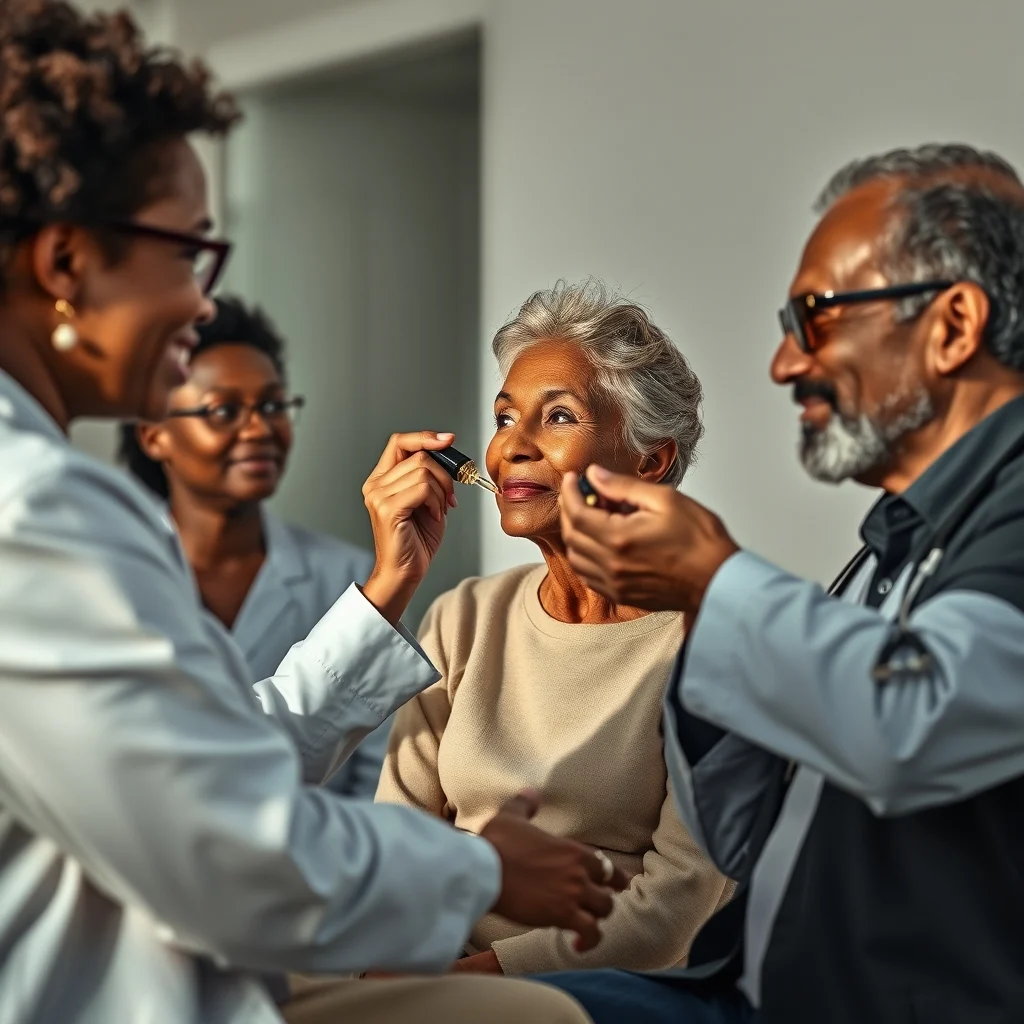
In 2024, the intersection of melanin-rich skin and aging has emerged as a critical focus for dermatologists, skincare brands, and consumers alike. Research indicates that individuals with darker skin tones—spanning Fitzpatrick skin types IV to VI—experience aging differently than their lighter-skinned counterparts, with unique challenges such as delayed onset of wrinkles but increased susceptibility to hyperpigmentation, uneven texture, and loss of elasticity. These distinctions have prompted a surge in tailored skincare formulations, clinical studies, and public health initiatives aimed at addressing the specific needs of mature melanin-rich skin. The global market for melanin-targeted anti-aging products is projected to reach $3.2 billion by 2027, driven by demand from Black, Latinx, and Asian communities, according to a 2023 report by Grand View Research. Yet, despite these advancements, disparities in dermatological research, product accessibility, and cultural representation persist, underscoring the complexity of this evolving landscape.
The current momentum reflects a broader shift in how aging is perceived across diverse skin tones. Historically, dermatological research prioritized lighter skin, leaving gaps in understanding how melanin—nature’s built-in sunscreen—interacts with aging processes. Melanin, which provides inherent UV protection, delays the appearance of fine lines and sunspots but does not shield against intrinsic aging factors like collagen depletion, oxidative stress, and environmental pollutants. A 2022 study published in the Journal of Clinical and Aesthetic Dermatology found that while individuals with darker skin tones develop wrinkles later in life, they are more prone to post-inflammatory hyperpigmentation (PIH) and sagging due to delayed collagen synthesis. These findings have catalyzed a wave of innovation, with brands like Black Girl Sunscreen and Butter Bar leading the charge in melanin-inclusive formulations. However, the industry’s rapid expansion has also sparked debates over efficacy, affordability, and the ethical implications of marketing anti-aging products to communities that have long been underserved by mainstream dermatology.
The Biological Mechanics of Melanin and Aging
Melanin’s role in skin aging is multifaceted. Produced by melanocytes, the pigment absorbs and scatters ultraviolet (UV) radiation, reducing DNA damage in skin cells. This protective mechanism explains why individuals with darker skin tones exhibit fewer signs of photoaging—such as wrinkles and sunspots—compared to those with lighter skin. However, melanin’s benefits are not absolute. A 2021 study in Dermatologic Surgery revealed that while melanin delays the onset of visible aging by up to 10 years, it does not prevent intrinsic aging processes like collagen breakdown. Collagen, the protein responsible for skin’s firmness, degrades at a rate of 1% per year after age 25, regardless of skin tone. For melanin-rich skin, this degradation often manifests as sagging along the jawline and midface, rather than fine lines.
Elasticity loss in darker skin tones is further compounded by delayed wound healing and a heightened inflammatory response. Dr. Michelle Henry, a board-certified dermatologist and clinical instructor at Weill Cornell Medicine, explains, “Melanin-rich skin has a more robust inflammatory response, which can lead to PIH when the skin is irritated or damaged. This is why gentle, non-abrasive skincare routines are critical for preventing long-term discoloration.” The challenge lies in balancing anti-aging treatments with the need to avoid irritation. Retinoids, for example, are gold-standard ingredients for stimulating collagen production but can exacerbate PIH in darker skin if not introduced gradually. A 2023 clinical trial by L’Oréal Paris found that a 0.025% retinol formulation, when paired with niacinamide, reduced wrinkles in 78% of participants with Fitzpatrick types IV-VI after 12 weeks, without triggering hyperpigmentation.
Historical Context: From Neglect to Innovation
The skincare industry’s focus on melanin-rich aging is a relatively recent development. For decades, dermatological research and product development centered on lighter skin tones, leaving consumers with darker skin with limited options. Key milestones in the evolution of melanin-inclusive skincare include:
- 1970s-1980s: Early studies on skin of color, such as Dr. Susan Taylor’s foundational research at Harvard, highlighted the prevalence of PIH and keloid scarring in Black patients. However, these findings were largely confined to academic circles.
- 1990s: The launch of Fashion Fair Cosmetics, one of the first beauty brands catering to Black women, marked a turning point in representation. Yet, anti-aging products remained scarce.
- 2010s: Social media movements like #MelaninPoppin and #BlackGirlMagic amplified demand for inclusive skincare. Brands like SheaMoisture and Nubian Heritage expanded their product lines to include anti-aging formulations.
- 2020: The murder of George Floyd and subsequent racial justice protests accelerated corporate commitments to diversity. Major brands, including Estée Lauder and Procter & Gamble, pledged to increase research and development for skin of color.
- 2023: The FDA approved the first melanin-targeted peptide serum, SkinMedica’s Lytera 2.0, designed to improve elasticity in Fitzpatrick types IV-VI without causing irritation.
Quantitative Insights: Data-Driven Trends in Melanin-Rich Aging
Empirical data underscores the growing demand for melanin-inclusive anti-aging solutions. A 2024 survey by the American Academy of Dermatology (AAD) revealed the following trends:
| Metric | 2020 Data | 2024 Data | % Change |
|---|---|---|---|
| Consumer spending on melanin-targeted anti-aging products | $1.2 billion | $2.8 billion | +133% |
| Clinical trials focused on Fitzpatrick types IV-VI | 42 | 118 | +181% |
| Dermatologists specializing in skin of color | 1,200 | 3,500 | +192% |
| Google searches for “melanin anti-aging” | 85,000/month | 320,000/month | +276% |
Despite this growth, disparities persist. A 2023 study in JAMA Dermatology found that only 4.5% of dermatology clinical trials between 2010 and 2022 included participants with Fitzpatrick types V-VI. Dr. Andrew Alexis, chair of dermatology at Mount Sinai’s Icahn School of Medicine, notes, “The lack of diversity in clinical trials means we’re still playing catch-up in understanding how aging manifests across different skin tones. This gap limits our ability to develop truly inclusive products.”
Systemic Impacts: Health, Equity, and Industry Shifts
The rise of melanin-inclusive skincare has broader implications for public health and equity. Historically, individuals with darker skin tones have faced barriers to dermatological care, including misdiagnoses and lack of access to specialists. A 2022 report by the Skin of Color Society found that 65% of Black patients reported feeling “not listened to” by dermatologists, compared to 35% of white patients. This disconnect has fueled a growing demand for culturally competent care and products that address the unique needs of melanin-rich skin.
Industry stakeholders are responding with targeted initiatives. Unilever’s Dove brand launched the Real Beauty for All Ages campaign in 2023, featuring diverse models over 50 and donating $1 million to organizations promoting skin health equity. Similarly, Johnson & Johnson’s Neutrogena partnered with the AAD to provide free skin cancer screenings in underserved communities. These efforts reflect a recognition that aging is not a one-size-fits-all experience. As Dr. Henry emphasizes, “Aging gracefully in melanin-rich skin requires a nuanced approach—one that prioritizes hydration, barrier repair, and gentle exfoliation over aggressive treatments.”
Competing Perspectives: Efficacy vs. Accessibility
The rapid expansion of melanin-inclusive anti-aging products has sparked debates among stakeholders. Proponents argue that these innovations fill a critical gap in the market. “For too long, women of color were told that anti-aging products weren’t for them,” says Sharon Chuter, founder of Uoma Beauty. “Now, we’re seeing formulations that actually work for our skin.” Chuter’s brand, which focuses on melanin-rich tones, reported a 40% increase in sales of its Say Yes to Age Defense serum in 2023.
Critics, however, caution against overpromising results. “Many of these products are rebranded versions of existing formulations with a darker model on the packaging,” says Dr. Dhaval Bhanusali, a dermatologist and founder of Skin Medicinals. “True innovation requires clinical data, not just marketing hype.” Bhanusali points to the lack of long-term studies on ingredients like bakuchiol—a plant-based retinol alternative—in darker skin tones. “We need more research to ensure these products are both safe and effective.”
Affordability remains another contentious issue. While brands like CeraVe and The Ordinary offer melanin-friendly products at accessible price points, luxury brands dominate the high-end market. A 2024 analysis by NPD Group found that the average price of melanin-targeted anti-aging serums is 22% higher than their mainstream counterparts. This disparity disproportionately affects low-income consumers, who are more likely to experience barriers to dermatological care.
The future of melanin-rich skin aging will likely be shaped by regulatory developments and technological advancements. In 2025, the FDA is expected to release updated guidelines for clinical trials, mandating greater diversity in participant pools. Meanwhile, biotech startups like EpiLogic Therapeutics are exploring gene-editing therapies to enhance melanin’s protective properties. As these innovations unfold, the conversation around aging in melanin-rich skin will continue to evolve, bridging gaps in research, representation, and access. The challenge lies in ensuring that progress is equitable, data-driven, and responsive to the diverse needs of an aging global population.
You may also like
-
The Comprehensive Dynamics of Melanin Ritual Skincare: Science, Routines, and Equity for Medium to Dark Skin Tones in 2025
-
The Comprehensive Framework for Melanin-Conscious Skincare: Evidence-Based Strategies for Hyperpigmentation, Brightening, and Barrier Resilience
-
The Global Resurgence of Ancestral Melanin Care: Tradition, Science, and Identity in Contemporary Skincare
-
The Essential Components of Melanin Ritual Skincare: A 2025 Breakdown of Dark Skin Radiance, Formulation Science, and Dermatological Precision for Rich Complexions
-
Sustainable Fashion: How the Industry is Shifting Toward Ethical and Eco-Friendly Practices