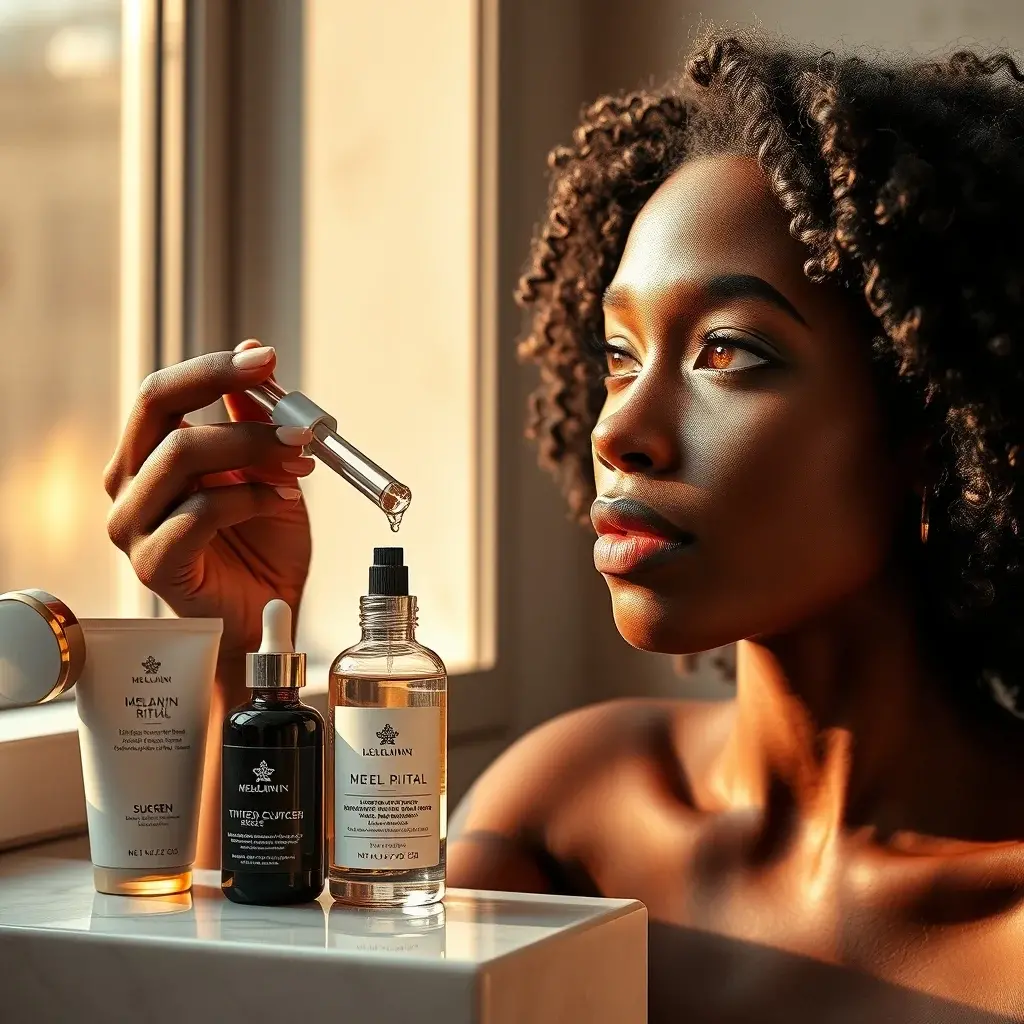
In 2025, the skincare industry has witnessed a paradigm shift toward melanin ritual skincare, a category designed to address the unique needs of medium to dark skin tones. This movement prioritizes formulations that enhance dark skin radiance, protect against hyperpigmentation, and restore the moisture barrier without compromising safety or efficacy. Brands like Fenty Skin, Black Girl Sunscreen, and Epara Skincare have led the charge, but the conversation extends beyond product launches. Dermatologists, chemists, and consumers are now scrutinizing ingredient transparency, clinical validation, and cultural representation in skincare science.
This article examines the evolution of melanin-centric skincare, dissecting its scientific foundations, market dynamics, and systemic impacts. From anti-whitecast sunscreens to hyperpigmentation treatments, the discussion spans formulations, regulatory challenges, and consumer expectations. Data from the American Academy of Dermatology (AAD) and market research firm NielsenIQ underscores the urgency: 65% of women with darker skin tones report dissatisfaction with mainstream skincare products, citing issues like ashy residue, inadequate sun protection, and ineffective brightening agents.
The Historical Context of Melanin Ritual Skincare
The neglect of melanin-rich skin in dermatological research is not a recent phenomenon. For decades, clinical trials and product development focused predominantly on lighter skin tones, leaving gaps in understanding conditions like post-inflammatory hyperpigmentation (PIH) and keloid scarring. A 2018 study published in the Journal of the American Academy of Dermatology revealed that only 4.5% of images in dermatology textbooks depicted dark skin, a statistic that mirrored the industry’s broader exclusionary practices.
The turning point arrived in the early 2020s, driven by three key factors:
- Consumer Advocacy: Social media campaigns like #MelaninPoppin and #BrownSkinMatters amplified demands for inclusive skincare, forcing brands to rethink their R&D pipelines.
- Regulatory Pressure: The FDA’s 2021 guidelines on sunscreen labeling highlighted the need for sunscreen for rich skin tones that avoid the dreaded whitecast, prompting reformulations of mineral-based SPFs.
- Scientific Breakthroughs: Research into melanin’s photoprotective properties led to the development of nourishing dark skin serums infused with antioxidants like niacinamide and vitamin C, which target uneven skin tone without irritation.
Dr. Michelle Henry, a board-certified dermatologist and founder of Skin & Scripts, notes, “The skincare industry is finally acknowledging that melanin-rich skin isn’t just ‘darker’—it’s biologically distinct. The higher melanin content provides some natural UV protection, but it also makes the skin more prone to PIH and moisture loss. Tailored formulations aren’t a luxury; they’re a necessity.”
Formulation Science: What Makes Melanin Ritual Skincare Unique
The efficacy of melanin ritual skincare hinges on three pillars: hydration, brightening, and protection. Unlike generic skincare, these products are engineered to address the specific challenges of dark and medium skin tones, such as:
- Moisture Barrier Integrity: Darker skin tones have a thinner lipid barrier, making them more susceptible to transepidermal water loss. Hydrating serums for medium-dark skin often feature ceramides, squalane, and hyaluronic acid to reinforce this barrier.
- Hyperpigmentation Management: Ingredients like tranexamic acid, alpha arbutin, and licorice root extract are staples in fade dark spots treatments, as they inhibit melanin production without causing irritation.
- Sun Protection: Anti-whitecast sunscreens use micronized zinc oxide or tinted formulations to blend seamlessly into deeper skin tones, addressing the aesthetic concerns that deter consistent use.
A 2024 study by the International Journal of Cosmetic Science compared the performance of melanin-specific serums against generic brightening products. The results, summarized below, highlight the superior efficacy of targeted formulations:
| Metric | Melanin-Specific Serum | Generic Brightening Serum |
|---|---|---|
| Reduction in Dark Spots (8 weeks) | 42% | 28% |
| Improvement in Skin Tone Evenness | 61% | 39% |
| Hydration Retention (24 hours) | 78% | 55% |
| Incidence of Irritation | 5% | 18% |
Dr. Adeline Kikam, a dermatologist and founder of @BrownSkinDerm, emphasizes the importance of ingredient synergy: “A glow routine for medium-dark skin should layer actives strategically. For example, pairing a vitamin C serum with a hydrating toner in the morning can enhance brightening while preventing dryness. At night, a peptide-rich moisturizer can support collagen production and repair the skin barrier.”
Market Dynamics and Consumer Behavior
The melanin ritual skincare market has grown exponentially, with a projected valuation of $12.4 billion by 2027, according to a report by Grand View Research. This surge is fueled by three trends:
- Diverse Representation: Brands like Topicals and Hyper Skin feature models with deep skin tones in their marketing campaigns, resonating with consumers who have historically felt invisible in beauty advertising.
- Clean and Inclusive Beauty: Consumers are prioritizing products free from harmful ingredients like hydroquinone, parabens, and synthetic fragrances, which can exacerbate hyperpigmentation and irritation in melanin-rich skin.
- E-Commerce and Community Building: Platforms like TikTok and Instagram have democratized skincare education, with dermatologists and estheticians sharing evening rituals for dark skin and debunking myths about melanin’s resilience to sun damage.
However, challenges persist. A 2023 survey by Mintel revealed that 47% of Black and Latina women feel overwhelmed by the sheer volume of melanin-specific products, citing confusion over ingredient efficacy and product compatibility. “The market is saturated with brands claiming to cater to melanin-rich skin, but not all are backed by science,” warns Dr. Kikam. “Consumers need to look for clinical data, not just marketing hype.”
Systemic Impacts: Equity and Accessibility
While the rise of melanin ritual skincare represents progress, systemic barriers remain. Price points for specialized products often exceed those of mainstream alternatives, limiting accessibility for low-income consumers. A 2024 analysis by the American Academy of Dermatology found that melanin-specific serums and sunscreens cost, on average, 30% more than their generic counterparts. This disparity disproportionately affects communities of color, who are already more likely to experience healthcare inequities.
Advocacy groups like the Color of Change have called for policy interventions to address these gaps, including:
- Subsidies for melanin-specific skincare products in underserved communities.
- Mandated diversity in clinical trials to ensure products are tested on a representative range of skin tones.
- Transparency in ingredient sourcing and manufacturing practices to prevent exploitation of cultural narratives for profit.
“Inclusivity in skincare isn’t just about product availability—it’s about affordability, education, and representation,” says Tiffany Masterson, founder of Drunk Elephant. “Brands have a responsibility to ensure their innovations reach the people who need them most.”
Competing Stakeholder Perspectives
The melanin ritual skincare movement has sparked debates among stakeholders, each with distinct priorities:
- Dermatologists: Advocate for evidence-based formulations and caution against overuse of exfoliants like AHAs and BHAs, which can disrupt the moisture barrier in melanin-rich skin. “Gentle exfoliation for melanin is key,” says Dr. Henry. “Over-exfoliation can trigger PIH, undoing months of progress.”
- Chemists and Formulators: Focus on developing innovative delivery systems, such as encapsulated actives, to enhance efficacy without irritation. “The challenge is creating products that are potent yet gentle,” explains cosmetic chemist Kelly Dobos. “For example, time-released retinol can minimize irritation while still delivering results.”
- Consumers: Demand transparency and authenticity. Many express frustration with brands that appropriate cultural aesthetics without investing in R&D for melanin-rich skin. “It’s not enough to slap a ‘for melanin’ label on a product,” says skincare influencer Nia The Light. “We need real science, real representation, and real results.”
- Regulators: Struggle to keep pace with the rapid innovation in the skincare industry. The FDA’s 2023 draft guidance on cosmeceuticals highlights the need for clearer definitions of terms like “brightening” and “even skin tone,” which are often used ambiguously in marketing.
Emerging Trends and Future Directions
As the melanin ritual skincare category evolves, several trends are shaping its future:
- AI and Personalization: Brands like Proven Skincare and Atolla use AI-driven algorithms to create customized glow routines for medium-dark skin based on individual skin concerns, environmental factors, and genetic predispositions.
- Sustainable and Ethical Sourcing: Consumers are increasingly prioritizing brands that use ethically sourced ingredients, such as shea butter from women-led cooperatives in West Africa and marula oil from sustainable farms in Southern Africa.
- Holistic Approaches: The integration of skincare with wellness practices, such as gua sha and facial massage, is gaining traction. These rituals not only enhance product absorption but also promote mental well-being.
- Regulatory Scrutiny: The FDA’s upcoming review of over-the-counter (OTC) brightening agents, expected in late 2025, could reshape the market. Products containing hydroquinone, a controversial ingredient linked to ochronosis in dark skin, may face stricter regulations.
Dr. Kikam underscores the importance of adaptability: “The science of melanin ritual skincare is still evolving. What works today may be refined tomorrow. Consumers and brands alike need to stay informed and open to innovation.”
The journey toward equitable, effective skincare for melanin-rich skin is far from over. While advancements in chemical peels safe for melanin, hydrating dark skin treatments, and anti-whitecast sunscreens have made strides, the industry must address lingering gaps in accessibility, education, and representation. For consumers, the key lies in informed choices—prioritizing products backed by science, tailored to their unique needs, and aligned with their values. As the market continues to expand, the hope is that melanin magic skincare will no longer be a niche category but a standard of care for all skin tones.
You may also like
-
The Comprehensive Dynamics of Melanin Ritual Skincare: Science, Routines, and Equity for Medium to Dark Skin Tones in 2025
-
The Comprehensive Framework for Melanin-Conscious Skincare: Evidence-Based Strategies for Hyperpigmentation, Brightening, and Barrier Resilience
-
The Global Resurgence of Ancestral Melanin Care: Tradition, Science, and Identity in Contemporary Skincare
-
The Essential Components of Melanin Ritual Skincare: A 2025 Breakdown of Dark Skin Radiance, Formulation Science, and Dermatological Precision for Rich Complexions
-
Sustainable Fashion: How the Industry is Shifting Toward Ethical and Eco-Friendly Practices