Dark spots, uneven skin tone, and stubborn patches of discoloration are common skincare concerns. Whether they appear after acne, sun exposure, hormonal changes, or skin irritation, these marks can affect how smooth and even your complexion looks. Understanding how to get rid of hyperpigmentation starts with identifying what causes excess pigmentation and choosing treatments that address the underlying issue.

Hyperpigmentation occurs when certain areas of the skin produce or retain more melanin, the pigment responsible for skin color. It can affect people of all skin tones, although some forms of discoloration may be more noticeable or persistent in darker skin.
The good news is that several skincare ingredients, sun protection habits, and professional treatments can help improve the appearance of dark spots. However, results take time, and the right approach depends on the type of pigmentation, its depth, and your individual skin characteristics.
Quick Answer: How to Get Rid of Hyperpigmentation
The most effective way to improve hyperpigmentation is to combine consistent sun protection with suitable skincare ingredients that help reduce excess pigmentation and support skin renewal.
Common treatment options include vitamin C, niacinamide, azelaic acid, retinoids, and dermatologist-prescribed treatments such as hydroquinone. Daily broad-spectrum sunscreen with SPF 30 or higher is essential because UV exposure can darken existing spots and contribute to new discoloration.
For better results, follow a gentle skincare routine, avoid irritating products, and give treatments enough time to work. Persistent, unusual, or changing pigmentation should be evaluated by a dermatologist before starting intensive treatments.
1. Understand What Causes Hyperpigmentation
Before deciding how to get rid of hyperpigmentation, it is important to understand why dark spots develop. Different causes can produce similar-looking discoloration, but they may require different treatment approaches.
Melanin is produced by specialized skin cells called melanocytes. When melanin production increases or pigment becomes unevenly distributed, certain areas of the skin may appear darker than the surrounding complexion.
Several factors can contribute to this process.
Common Causes of Hyperpigmentation
Sun exposure: Ultraviolet radiation stimulates melanin production. Repeated exposure without adequate protection can make existing dark spots more noticeable and encourage additional pigmentation.
Post-acne marks: Inflammation caused by acne can leave behind darker areas after pimples heal. This condition is known as post-inflammatory hyperpigmentation, or PIH.
Hormonal changes: Hormonal fluctuations, pregnancy, and certain medications can contribute to melasma, which often appears as brown or grayish patches on the face.
Skin irritation: Harsh skincare products, aggressive exfoliation, and inflammatory skin conditions can trigger discoloration, particularly in people prone to post-inflammatory pigmentation.
Aging: Years of accumulated sun exposure can contribute to age spots, also known as solar lentigines, which commonly develop on areas frequently exposed to sunlight.
Types of Hyperpigmentation
Recognizing the type of discoloration helps determine the most appropriate treatment strategy.
| Type | Common appearance | Typical cause |
|---|---|---|
| Post-inflammatory hyperpigmentation | Dark marks after acne or irritation | Skin inflammation |
| Melasma | Brown or gray-brown patches, often symmetrical | Hormonal influences and sun exposure |
| Sunspots | Flat brown spots on exposed skin | Long-term UV exposure |
| Age spots | Darkened areas on the face, hands, and arms | Cumulative sun exposure |
These conditions do not always respond to identical treatments. For example, melasma can be particularly persistent and may require a combination of professional treatment and long-term sun protection.
2. Use Sunscreen Every Day to Prevent Dark Spots
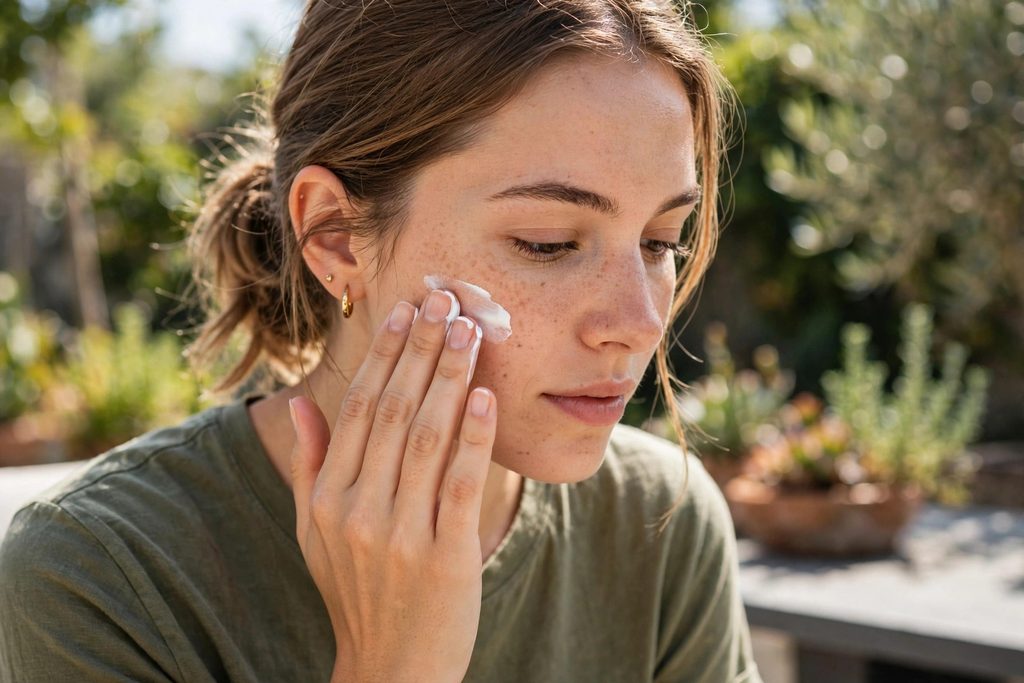
If you are researching how to get rid of hyperpigmentation, sunscreen should be one of your first priorities. Even effective brightening products may deliver disappointing results if your skin continues to receive unprotected sun exposure.
Sunlight can stimulate melanin production and make existing discoloration darker. This is why dermatologists frequently recommend daily sun protection as a foundation of pigmentation treatment.
How to Choose the Right Sunscreen
Look for a sunscreen that offers:
- Broad-spectrum protection against UVA and UVB rays.
- SPF 30 or higher.
- Water resistance when swimming or sweating.
- A comfortable formula suitable for your skin type.
- Iron oxide in tinted formulations, particularly when treating melasma or pigmentation affected by visible light.
Tinted sunscreens containing iron oxides can provide additional protection against visible light, which may contribute to pigmentation, especially in people with darker skin tones.
The American Academy of Dermatology recommends sunscreen as a central part of treating dark spots. Its guide to fading dark spots in darker skin tones also explains why consistent sun protection is important for preventing discoloration from becoming more noticeable.
How to Apply Sunscreen Correctly
For better protection, apply sunscreen generously to exposed skin before going outdoors.
Reapply at least every two hours when spending time outside, and reapply after swimming, sweating, or towel drying according to the product instructions.
You can also support your routine by wearing a wide-brimmed hat, choosing shaded areas, and avoiding unnecessary direct sun exposure during peak sunlight hours.
3. Choose Skincare Ingredients That Help Fade Dark Spots
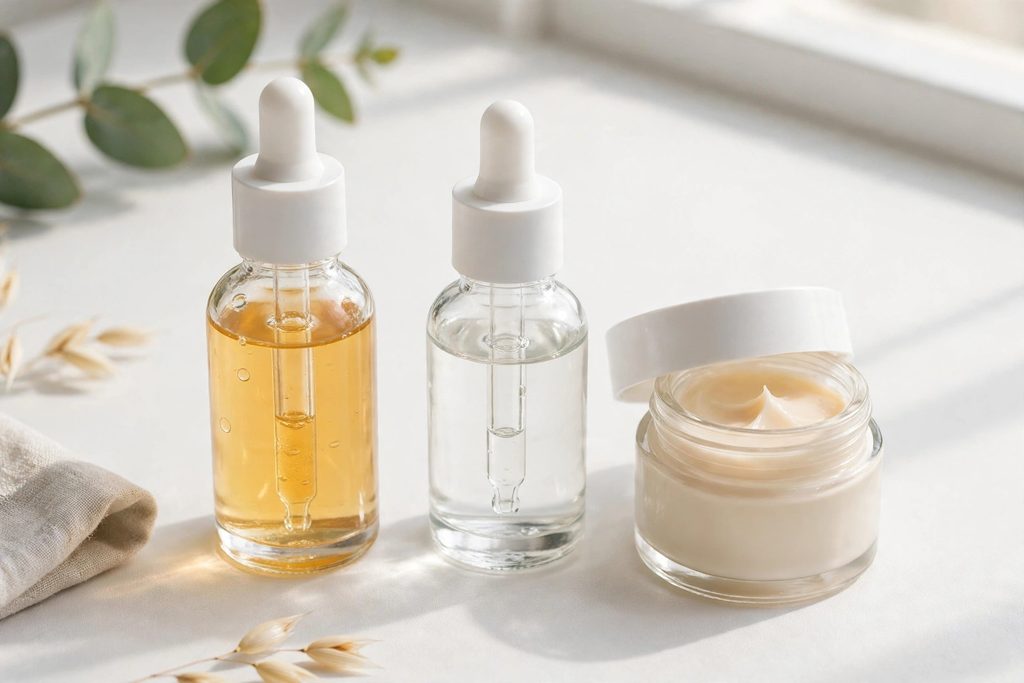
Once you have established a consistent sunscreen routine, the next step is choosing ingredients that address uneven pigmentation.
Several active ingredients are commonly used in products designed to improve dark spots. However, their effectiveness depends on the formulation, concentration, frequency of use, and type of pigmentation being treated.
Here are seven ingredients worth understanding when considering how to get rid of hyperpigmentation.
1. Vitamin C
Vitamin C is an antioxidant commonly included in brightening skincare products. It helps protect against oxidative stress and can interfere with processes involved in melanin production.
It is often used to improve the appearance of uneven skin tone and sun-related discoloration.
Vitamin C serums are generally applied in the morning before moisturizer and sunscreen. However, sensitive skin may require a gentler formulation or less frequent application.
2. Niacinamide
Niacinamide, also known as vitamin B3, is a popular ingredient for improving the appearance of uneven skin tone.
It can help reduce the transfer of melanin-containing structures from pigment-producing cells to surrounding skin cells. It also supports the skin barrier, making it a useful ingredient in routines focused on discoloration and overall skin condition.
Niacinamide is available in serums, moisturizers, and other skincare formulations.
3. Azelaic Acid
Azelaic acid is commonly used to address acne-related discoloration and uneven pigmentation. It also has properties that make it useful for people dealing with acne-prone skin.
This ingredient can be particularly helpful when post-inflammatory hyperpigmentation develops after breakouts.
Lower-concentration products are available over the counter in some markets, while stronger formulations may require professional guidance or a prescription.
4. Retinoids
Retinoids, including retinol and prescription tretinoin, support skin cell turnover and are commonly used to improve skin texture and the appearance of discoloration.
They may help gradually reduce the visibility of dark marks, although irritation and dryness can occur, especially when starting treatment.
Introduce retinoids gradually and use sunscreen consistently. Topical retinoids should generally be avoided during pregnancy, and anyone who is pregnant, planning pregnancy, or breastfeeding should discuss suitable options with a healthcare professional.
5. Glycolic Acid
Glycolic acid is an alpha-hydroxy acid that exfoliates the outermost layer of the skin.
It can help improve the appearance of uneven texture and superficial discoloration by encouraging the removal of dead skin cells.
However, excessive exfoliation can irritate the skin and potentially worsen post-inflammatory pigmentation. Start with a suitable concentration and avoid combining multiple strong exfoliating products without professional advice.
6. Kojic Acid
Kojic acid is used in some brightening formulations because it can interfere with tyrosinase, an enzyme involved in melanin production.
It is commonly included in products designed to improve the appearance of dark spots and uneven skin tone.
As with other active ingredients, results vary, and some people may experience irritation or sensitivity.
7. Hydroquinone
Hydroquinone is a skin-lightening ingredient used to treat certain forms of hyperpigmentation, including melasma and dark spots.
It works by reducing melanin production and is often used under medical supervision. Availability and regulations differ between countries, so consumers should check local requirements and consult a qualified professional before using it.
Prolonged or inappropriate use can cause unwanted effects, including irritation and, rarely, a condition called exogenous ochronosis.
Comparison of Popular Hyperpigmentation Ingredients
| Ingredient | Main skincare benefit | Suitable consideration |
|---|---|---|
| Vitamin C | Brightening and antioxidant support | Uneven skin tone |
| Niacinamide | Supports a more even-looking complexion | Sensitive or combination routines |
| Azelaic acid | Helps address acne-related discoloration | Acne-prone skin |
| Retinoids | Supports skin renewal | Persistent dark marks |
| Glycolic acid | Exfoliates the skin surface | Superficial discoloration |
| Kojic acid | Helps reduce excess pigmentation | Dark spot-focused routines |
| Hydroquinone | Reduces melanin production | Professional treatment plans |
Not every ingredient needs to be included in one skincare routine. Choosing a small number of suitable products is generally a better starting point than combining several strong active ingredients.
4. Build a Consistent Skincare Routine for Hyperpigmentation
A consistent routine can make it easier to manage discoloration without overwhelming your skin.
When considering how to get rid of hyperpigmentation, remember that the goal is not to use as many brightening products as possible. Instead, focus on protecting your skin, introducing appropriate active ingredients, and maintaining a healthy skin barrier.
Morning Skincare Routine
A simple morning routine can help protect the skin and support a more even-looking complexion.
- Cleanser: Use a gentle cleanser to remove oil, sweat, and overnight skincare residue.
- Brightening serum: Apply a suitable vitamin C or niacinamide product.
- Moisturizer: Use a moisturizer that supports skin hydration and barrier function.
- Sunscreen: Finish with broad-spectrum SPF 30 or higher.
If you are new to active ingredients, begin with one product rather than introducing several at once.
Evening Skincare Routine
Your evening routine can focus on hydration and carefully selected treatments.
- Cleanser: Remove sunscreen, makeup, and accumulated impurities.
- Treatment product: Apply azelaic acid, retinol, or another suitable ingredient according to your skin’s tolerance.
- Moisturizer: Help maintain hydration and reduce dryness.
Retinoids and exfoliating acids should be introduced gradually. Using multiple strong treatments together may increase irritation and make pigmentation worse.
Example Weekly Skincare Schedule
| Day | Evening treatment |
|---|---|
| Monday | Retinol, if suitable |
| Tuesday | Hydrating moisturizer |
| Wednesday | Azelaic acid |
| Thursday | Hydrating moisturizer |
| Friday | Retinol, if tolerated |
| Saturday | Gentle skincare and hydration |
| Sunday | Recovery routine |
This is only an example, not a universal treatment plan. The appropriate schedule depends on product strength, skin sensitivity, and professional recommendations.
5. Consider Professional Treatments for Persistent Pigmentation
Sometimes topical skincare products are not enough to improve stubborn discoloration. In these situations, a dermatologist may recommend additional treatments based on the type, depth, and severity of pigmentation.
Professional options can be particularly relevant for melasma, long-standing sunspots, or pigmentation that does not respond adequately to a consistent skincare routine.
Chemical Peels
Chemical peels use controlled chemical solutions to exfoliate the skin.
Depending on the formulation and treatment depth, they may improve the appearance of superficial pigmentation and uneven texture.
However, peels can also cause irritation and post-inflammatory hyperpigmentation if performed incorrectly. People with darker skin tones should be especially careful when considering aggressive exfoliating procedures.
Laser and Light Treatments
Certain laser and light-based procedures can target pigment in the skin.
Their suitability depends on the type of pigmentation, skin tone, equipment, and practitioner experience. Some procedures can worsen discoloration or cause lighter patches, particularly when inappropriate settings are used.
Professional assessment is essential before proceeding.
Prescription Treatments
Dermatologists may recommend prescription medications such as hydroquinone, tretinoin, or combination creams depending on the diagnosis.
For melasma, treatment may combine medication with strict sun protection. Other options, including tranexamic acid, may be considered in selected cases after reviewing individual medical history and potential risks.
The American Academy of Dermatology’s melasma treatment guide explains how dermatologists select treatments based on skin tone, pigment depth, and individual triggers.
6. Avoid Common Mistakes That Can Make Hyperpigmentation Worse
Choosing the right treatment is only part of the process. Certain skincare habits can increase irritation and make existing dark spots more difficult to manage.
If you want to understand how to get rid of hyperpigmentation safely, avoiding common mistakes is just as important as selecting effective products.
Over-Exfoliating Your Skin
Using exfoliating acids too frequently can damage the skin barrier and cause inflammation.
When irritation develops, it may trigger additional post-inflammatory pigmentation. Follow product instructions and give your skin enough time to adjust.
Skipping Sunscreen
Brightening treatments cannot provide their full potential if you repeatedly expose your skin to sunlight without protection.
Daily sunscreen should remain part of your routine even after dark spots begin to fade.
Using Too Many Active Ingredients
Combining retinol, glycolic acid, salicylic acid, and other strong treatments without a proper plan may increase dryness and sensitivity.
Start with one active ingredient and introduce additional products only when your skin tolerates the existing routine.
Trying Unverified Skin-Lightening Products
Some unregulated products may contain undeclared ingredients, including mercury or potent topical steroids.
These substances can cause serious skin and health problems when used improperly or for prolonged periods. Purchase products from reputable retailers and avoid treatments that promise extremely rapid skin lightening.
Expecting Immediate Results
Hyperpigmentation usually takes time to improve. Frequently changing products or increasing application strength may cause unnecessary irritation.
Consistency and patience are more useful than aggressive treatment.
7. How Long Does It Take to Get Rid of Hyperpigmentation?
One of the most common questions about pigmentation treatment is how long it takes to see visible improvement.
The answer depends on the type of discoloration, how deeply the pigment sits within the skin, the treatment used, and whether the underlying trigger continues.
According to the American Academy of Dermatology, some dark spots that are only a few shades darker than natural skin tone may fade within 6 to 12 months once the underlying cause is addressed. Deeper pigmentation may take considerably longer.
Expected Treatment Timelines
| Pigmentation concern | General expectations |
|---|---|
| Superficial post-acne marks | May gradually fade over several months |
| Sun-related dark spots | May require several months of consistent treatment |
| Melasma | Often requires long-term management |
| Deeper pigmentation | May take significantly longer to improve |
These are general expectations rather than guaranteed timelines. Some forms of pigmentation can persist or return, even after successful treatment.
The best approach is to document changes over time using consistent lighting and photography rather than judging results every day.
When to See a Professional
Although many forms of hyperpigmentation are harmless, not every dark spot is simply a cosmetic concern.
Consult a dermatologist if discoloration is persistent, spreading, or not responding to appropriate skincare. Professional evaluation is also important before starting prescription-strength treatments or undergoing chemical peels and laser procedures.
Seek medical assessment for a spot that changes in size, shape, or color, develops irregular borders, bleeds, or looks noticeably different from other marks on your skin. A changing pigmented lesion should not automatically be treated as ordinary hyperpigmentation.
A dermatologist can examine the affected area, determine the likely cause, and recommend appropriate treatment. In some cases, additional examination or a skin biopsy may be necessary.
Frequently Asked Questions About How to Get Rid of Hyperpigmentation
1. What is the fastest way to get rid of hyperpigmentation?
There is no guaranteed instant solution. A consistent combination of broad-spectrum sunscreen and suitable brightening ingredients can help improve discoloration over time. For stubborn pigmentation, a dermatologist may recommend prescription treatments or professional procedures.
2. Can hyperpigmentation disappear naturally?
Some forms of hyperpigmentation, particularly superficial post-inflammatory marks, may fade naturally as the skin recovers. However, deeper pigmentation and melasma can persist for much longer and may require professional treatment and ongoing sun protection.
3. Which skincare ingredient works best for hyperpigmentation?
There is no single ingredient that works best for everyone. Vitamin C, niacinamide, azelaic acid, retinoids, and hydroquinone are among the ingredients used to address different forms of discoloration. The right choice depends on skin type, pigmentation cause, and treatment tolerance.
4. Does sunscreen help remove dark spots?
Sunscreen does not directly remove existing pigmentation, but it helps prevent UV exposure from making dark spots darker. It also supports the effectiveness of other pigmentation treatments by reducing additional sun-related stimulation.
5. Can people with darker skin tones treat hyperpigmentation?
Yes. People with darker skin tones can use various treatments for hyperpigmentation, including azelaic acid, niacinamide, and other dermatologist-recommended ingredients. However, irritation can trigger additional pigmentation, so gentle formulations and appropriate professional guidance are important.
6. Can exfoliating acids remove hyperpigmentation?
Exfoliating acids such as glycolic acid may help improve superficial discoloration by removing dead skin cells and supporting skin renewal. However, excessive exfoliation can irritate the skin and worsen pigmentation. Use suitable concentrations and follow product instructions.
7. How can I prevent hyperpigmentation from coming back?
Consistent sun protection is one of the most important preventive measures. Use broad-spectrum sunscreen, avoid unnecessary skin irritation, manage acne and other inflammatory conditions, and maintain a skincare routine that supports your skin barrier.
Conclusion: How to Get Rid of Hyperpigmentation for More Even-Looking Skin
Learning how to get rid of hyperpigmentation involves more than choosing a popular brightening serum. The most effective approach begins with understanding the cause of discoloration, protecting your skin from sunlight, and selecting treatments that suit your individual needs.
Ingredients such as vitamin C, niacinamide, azelaic acid, and retinoids can help improve the appearance of dark spots when used appropriately. More persistent conditions, including melasma, may require prescription treatments and professional care.
Remember that healthy-looking skin is not achieved overnight. Consistent sun protection, gentle skincare habits, and realistic expectations are essential for maintaining an even-looking complexion.
If your pigmentation is unusual, persistent, or changing, consult a dermatologist before experimenting with stronger treatments. With the right approach and enough time, you can work toward a clearer, more balanced-looking skin tone.
More about : HyperPigmentation Fix: K-Beauty’s Glass Skin 2.0 for Even Tone
You may also like
-
HyperPigmentation Fix: K-Beauty’s Glass Skin 2.0 for Even Tone
-
Hyperpigmentation Fix: Barrier-First for Even Skin
-
Brighten Your Skin Naturally: A Beginner’s Guide to Hyperpigmentation & Ashiness Solutions
-
HyperPigmentation Fix: Mistakes That Worsen Your Skin
-
HyperPigmentation Fix: Peptides & Regenerative Actives Guide