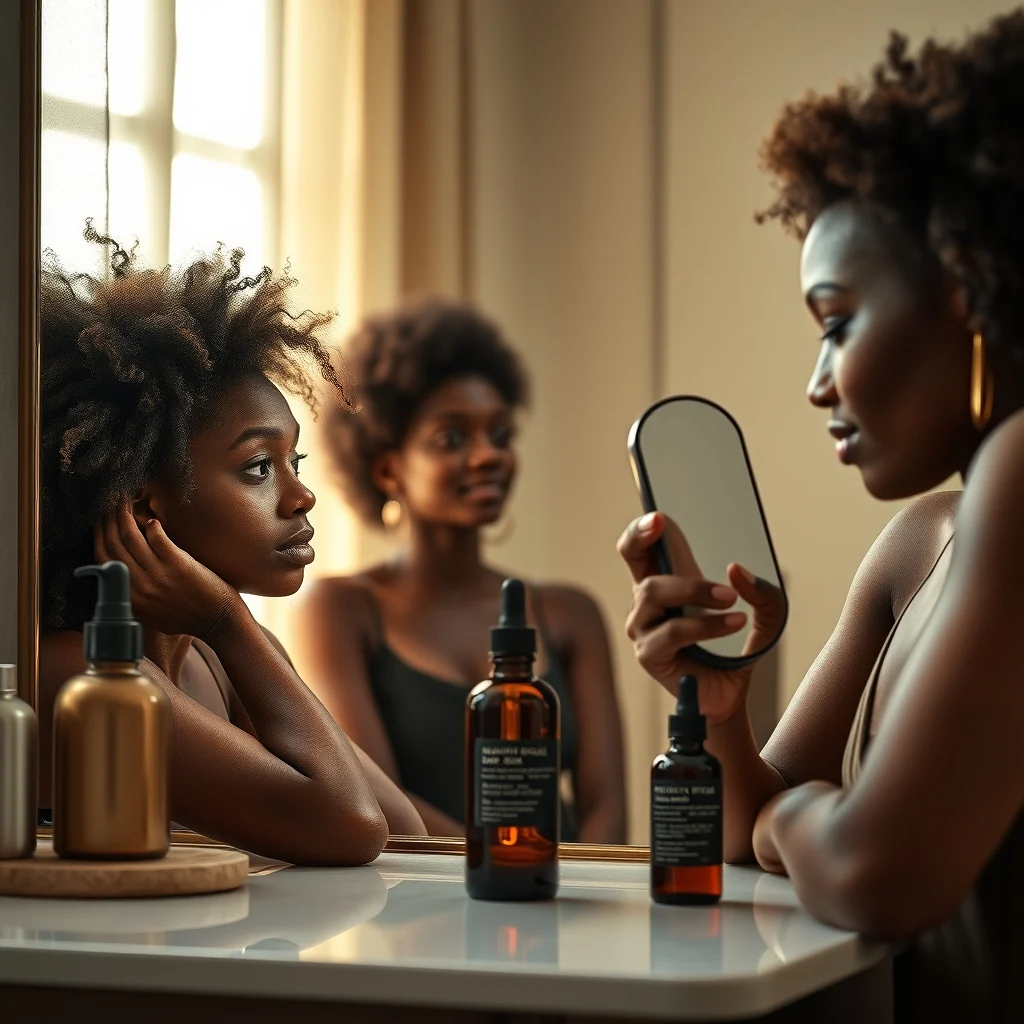
In 2025, the skincare industry is undergoing a transformative shift, with Melanin Ritual Skincare emerging as a cornerstone for individuals with medium to dark skin tones. This movement prioritizes formulations that address hyperpigmentation, hydration, and protection while celebrating the unique needs of melanin-rich skin. Brands, dermatologists, and consumers are increasingly collaborating to develop products that enhance dark skin radiance without compromising safety or efficacy. The demand for anti-whitecast sunscreen, hydrating serums for medium-dark skin, and chemical peels safe for melanin has surged, driven by a growing awareness of dermatological equity and the limitations of one-size-fits-all skincare.
This evolution is not merely a trend but a response to historical gaps in skincare research and product development. For decades, clinical trials and marketing campaigns disproportionately focused on lighter skin tones, leaving individuals with deeper complexions underserved. The current landscape reflects a correction—one that integrates scientific innovation with cultural relevance. From evening rituals for dark skin to brightening melanin skin treatments, the industry is redefining what it means to achieve a flawless medium-dark complexion.
The Historical Context: Why Melanin Ritual Skincare Matters
The skincare needs of melanin-rich skin have long been overlooked, despite the biological and aesthetic distinctions that set it apart. Melanin, the pigment responsible for skin color, provides natural protection against UV radiation but also makes skin more prone to hyperpigmentation, uneven tone, and moisture barrier disruption. Historically, skincare products were formulated with lighter skin in mind, often leading to adverse effects such as whitecast from sunscreen, irritation from harsh exfoliants, or inadequate hydration for deeper tones.
Key milestones in the evolution of melanin-focused skincare include:
- 1990s-2000s: Early advocacy by dermatologists like Dr. Susan Taylor, who highlighted the lack of diversity in clinical trials and the need for tailored treatments for hyperpigmentation in darker skin tones.
- 2010s: The rise of indie brands such as Black Girl Sunscreen and Fenty Skin, which prioritized inclusive formulations and marketing. These brands demonstrated the commercial viability of products designed for melanin-rich skin.
- 2020: The American Academy of Dermatology (AAD) published guidelines emphasizing the unique skincare needs of skin of color, including recommendations for gentle exfoliation and non-comedogenic moisturizers.
- 2023-2024: A surge in research on melanin magic skincare, with studies exploring the efficacy of ingredients like tranexamic acid, niacinamide, and licorice root extract in treating hyperpigmentation and enhancing glow for medium to dark skin tones.
Dr. Michelle Henry, a board-certified dermatologist and founder of Skin & Scripts, notes, “The skincare industry is finally recognizing that melanin-rich skin isn’t just a variation—it’s a distinct category with its own set of rules. What works for fair skin can often backfire for deeper tones, whether it’s causing irritation or failing to address specific concerns like post-inflammatory hyperpigmentation.”
The Science Behind Melanin Ritual Skincare
At the core of melanin ritual skincare is a deep understanding of how melanin interacts with environmental and biological factors. Melanin-rich skin has a thicker stratum corneum, higher lipid content, and a more robust barrier function compared to lighter skin. However, it is also more susceptible to:
- Hyperpigmentation: Melanocytes in darker skin produce more melanin in response to inflammation or injury, leading to dark spots or uneven tone.
- Moisture Barrier Disruption: While melanin-rich skin retains moisture better, it is more prone to transepidermal water loss when exposed to harsh ingredients or environmental stressors.
- Sensitivity to Irritants: Ingredients like alcohol, fragrances, and certain acids can trigger irritation, leading to post-inflammatory hyperpigmentation (PIH).
To address these challenges, modern formulations prioritize:
| Ingredient | Function | Best For |
|---|---|---|
| Niacinamide | Reduces inflammation, brightens skin, and strengthens the moisture barrier. | Even skin tone, hydration |
| Tranexamic Acid | Inhibits melanin production, targeting hyperpigmentation at its source. | Fade dark spots, brightening |
| Licorice Root Extract | Natural tyrosinase inhibitor that lightens dark spots without irritation. | Hyperpigmentation treatment |
| Hyaluronic Acid | Hydrates and plumps skin by attracting and retaining moisture. | Hydrating serum for medium-dark skin |
| Zinc Oxide (Non-Nano) | Provides broad-spectrum UV protection without leaving a whitecast. | Anti-whitecast sunscreen |
Dr. Corey L. Hartman, founder of Skin Wellness Dermatology, emphasizes the importance of ingredient synergy: “For melanin-rich skin, it’s not just about what you use—it’s about how you layer it. A glow routine for medium-dark skin should start with hydration, followed by brightening agents, and always end with sun protection. Skipping sunscreen is a non-negotiable misstep, as UV exposure exacerbates hyperpigmentation.”
Building an Effective Glow Routine for Medium to Dark Skin
A well-structured glow routine for medium-dark skin balances efficacy with gentleness. Below is a step-by-step framework tailored to the needs of melanin-rich skin, incorporating both morning and evening rituals.
Morning Routine: Protection and Hydration
- Cleanser: Use a gentle, sulfate-free cleanser to remove impurities without stripping the skin. Look for ingredients like glycerin or ceramides to support the moisture barrier.
- Toner (Optional): Alcohol-free toners with hydrating or soothing ingredients (e.g., rose water, aloe vera) can prep the skin for better absorption of subsequent products.
- Serum: Apply a brightening melanin skin serum containing niacinamide, vitamin C, or tranexamic acid to target hyperpigmentation and enhance radiance.
- Moisturizer: Opt for a lightweight, non-comedogenic moisturizer with hyaluronic acid or squalane to lock in hydration. For dry skin, consider a richer formula with shea butter or jojoba oil.
- Sunscreen: The most critical step. Choose a sunscreen for rich skin tones with zinc oxide or titanium dioxide, ensuring it is labeled “no whitecast.” Reapply every two hours when exposed to sunlight.
Evening Routine: Repair and Rejuvenation
- Double Cleanse: Start with an oil-based cleanser to dissolve sunscreen and makeup, followed by a water-based cleanser to remove sweat and impurities.
- Exfoliation (2-3 times weekly): Use a gentle exfoliation method, such as a lactic acid or mandelic acid serum, to promote cell turnover without causing irritation. Avoid physical scrubs, which can lead to microtears and PIH.
- Treatment Serum: Apply a nourishing dark skin serum with ingredients like retinol (start with a low concentration), peptides, or bakuchiol to stimulate collagen production and fade dark spots.
- Moisturizer: Use a richer moisturizer or a dark skin moisture barrier repair cream with ceramides and cholesterol to support overnight repair.
- Face Oil (Optional): For extra nourishment, apply a few drops of a non-comedogenic oil like rosehip or marula oil to seal in moisture.
Celebrity esthetician and founder of Glowie Skin, Ron Robinson, advises, “The key to a flawless medium-dark complexion is consistency. Many people with melanin-rich skin make the mistake of overloading on active ingredients, which can lead to irritation and worsen hyperpigmentation. Start slow, listen to your skin, and always prioritize hydration and sun protection.”
Addressing Hyperpigmentation: Treatments and Precautions
Hyperpigmentation is one of the most common concerns for individuals with medium to dark skin tones. While treatments like chemical peels safe for melanin and laser therapy can be effective, they require careful consideration to avoid exacerbating the issue.
Safe and Effective Treatments
- Topical Treatments:
- Hydroquinone: A gold standard for fading dark spots, but should be used under dermatological supervision to avoid ochronosis (a rare but serious side effect).
- Azelaic Acid: Reduces inflammation and hyperpigmentation while being gentle on sensitive skin.
- Kojic Acid: A natural alternative to hydroquinone, derived from fungi, that inhibits melanin production.
- Professional Procedures:
- Chemical Peels: Superficial peels using glycolic or lactic acid can improve skin texture and tone. Medium-depth peels should be approached with caution and performed by experienced professionals.
- Laser Therapy: Fractional lasers and intense pulsed light (IPL) can target hyperpigmentation, but settings must be adjusted for melanin-rich skin to avoid burns or post-inflammatory hyperpigmentation.
- Microneedling: Stimulates collagen production and can enhance the absorption of brightening serums when performed by a trained professional.
Precautions for Melanin-Rich Skin
- Avoid Harsh Ingredients: Ingredients like high-concentration retinoids, benzoyl peroxide, and physical scrubs can cause irritation and worsen hyperpigmentation.
- Patch Test New Products: Always test new products on a small area of skin before full application to check for adverse reactions.
- Sun Protection is Non-Negotiable: UV exposure can darken existing hyperpigmentation and trigger new spots. Use a sunscreen for rich skin tones with at least SPF 30 daily.
- Consult a Dermatologist: For persistent hyperpigmentation, seek professional guidance to develop a personalized treatment plan.
Dr. Jeanine Downie, a board-certified dermatologist and author of Beautiful Skin of Color, warns, “One of the biggest mistakes I see is patients self-treating hyperpigmentation with unregulated products or aggressive at-home peels. Melanin-rich skin requires a delicate balance—what works for one person may not work for another. Always err on the side of caution and consult a professional.”
The Market Landscape: Trends and Consumer Demand
The melanin ritual skincare market has experienced exponential growth, with projections indicating it will reach $1.2 billion by 2027, according to a report by McKinsey & Company. This surge is driven by several factors:
- Increased Representation: Brands are prioritizing diverse models and inclusive marketing campaigns, resonating with consumers who have historically felt excluded from the beauty industry.
- Educational Initiatives: Dermatologists, estheticians, and influencers are leveraging social media to educate consumers about the unique needs of melanin-rich skin, fostering a more informed customer base.
- Product Innovation: The development of anti-whitecast sunscreen, hydrating serums for medium-dark skin, and chemical peels safe for melanin has expanded the options available to consumers.
- Cultural Shift: The “skin positivity” movement encourages individuals to embrace their natural complexion while seeking products that enhance their skin’s health and radiance.
Despite this progress, challenges remain. A 2024 survey by Essence magazine revealed that 68% of Black women still struggle to find skincare products that cater to their specific needs, particularly in the mass-market segment. Additionally, the lack of standardized regulations for terms like “brightening” or “for all skin tones” can lead to confusion and misinformation.
Competing Perspectives: Stakeholders in the Melanin Skincare Movement
The push for inclusive skincare has sparked diverse perspectives among stakeholders, each with distinct priorities and concerns.
Dermatologists and Researchers
Dermatologists advocate for evidence-based formulations and caution against marketing hype. Dr. Henry emphasizes, “While it’s exciting to see more products targeting melanin-rich skin, not all are created equal. Consumers should look for clinical data and ingredient transparency. Just because a product is marketed as ‘for dark skin’ doesn’t mean it’s safe or effective.”
Researchers are also calling for more inclusive clinical trials. A 2023 study published in the Journal of the American Academy of Dermatology found that only 4.5% of dermatological studies focused on skin of color, highlighting the need for greater representation in research.
Skincare Brands
Brands are balancing innovation with accessibility. Shontay Lundy, founder of Black Girl Sunscreen, states, “Our mission is to make sun protection effortless and enjoyable for people of color. We’re not just selling a product—we’re changing a narrative. Sunscreen shouldn’t be a luxury or an afterthought; it’s a necessity for everyone.”
However, some brands face criticism for performative inclusivity—launching products marketed as “for melanin” without substantive formulation changes. Industry analysts urge consumers to scrutinize ingredient lists and brand practices beyond marketing claims.
Consumers
For consumers, the movement represents empowerment and self-care. Nia, a 32-year-old skincare enthusiast, shares, “Growing up, I never saw my skin tone represented in beauty ads. Now, I have access to products that actually work for me, like hydrating serums for medium-dark skin and sunscreen that doesn’t leave a whitecast. It’s more than skincare—it’s about feeling seen.”
Yet, affordability remains a barrier. A 2024 report by NielsenIQ found that products marketed to melanin-rich skin are, on average, 15% more expensive than their mass-market counterparts. Advocates are pushing for price parity to ensure accessibility.
Looking Ahead: The Future of Melanin Ritual Skincare
The melanin ritual skincare industry is at a pivotal juncture, with several developments on the horizon. Regulatory bodies, including the FDA, are under increasing pressure to establish clearer guidelines for skincare claims, particularly those related to hyperpigmentation and sun protection. In 2025, the FDA is expected to release updated sunscreen regulations, which may include stricter labeling requirements for anti-whitecast sunscreen and broader inclusion of skin of color in testing protocols.
Technological advancements are also shaping the future. AI-driven skincare analysis tools, which assess individual skin concerns and recommend personalized routines, are gaining traction. These tools have the potential to democratize skincare by providing tailored advice for melanin-rich skin, though concerns about data privacy and algorithmic bias persist.
On the formulation front, researchers are exploring the potential of melanin-mimicking ingredients, such as synthetic melanin nanoparticles, to enhance UV protection and skin repair. Early studies suggest these innovations could revolutionize sunscreen for rich skin tones and hyperpigmentation treatments, though clinical trials are still in the preliminary stages.
For consumers, the path forward involves staying informed and advocating for transparency. As the market expands, so does the risk of misinformation. Dermatologists recommend relying on reputable sources, such as the American Academy of Dermatology or peer-reviewed studies, to make educated skincare choices. Additionally, supporting brands that prioritize inclusivity in both product development and corporate practices can drive meaningful change.
The journey to achieving a rich melanin glow is not just about the products you use—it’s about understanding your skin’s unique needs and embracing a routine that honors its natural beauty. Whether through a glow routine for medium-dark skin, a targeted hyperpigmentation treatment, or a daily dose of hydrating dark skin care, the goal remains the same: healthy, radiant skin that reflects the diversity and resilience of those who wear it.
You may also like
-
The Comprehensive Dynamics of Melanin Ritual Skincare: Science, Routines, and Equity for Medium to Dark Skin Tones in 2025
-
The Comprehensive Framework for Melanin-Conscious Skincare: Evidence-Based Strategies for Hyperpigmentation, Brightening, and Barrier Resilience
-
The Global Resurgence of Ancestral Melanin Care: Tradition, Science, and Identity in Contemporary Skincare
-
The Essential Components of Melanin Ritual Skincare: A 2025 Breakdown of Dark Skin Radiance, Formulation Science, and Dermatological Precision for Rich Complexions
-
Sustainable Fashion: How the Industry is Shifting Toward Ethical and Eco-Friendly Practices