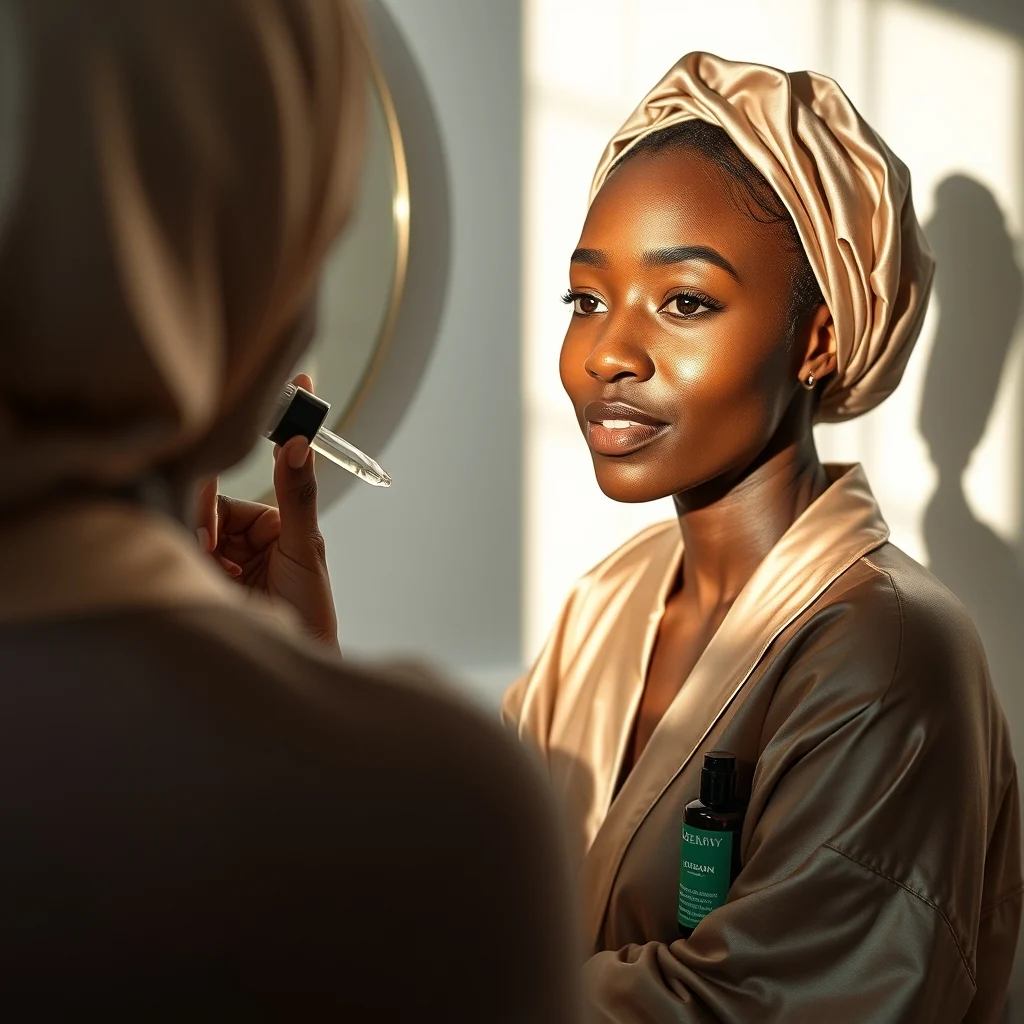
In 2025, the skincare industry has increasingly turned its focus toward melanin ritual skincare, a category designed to address the unique needs of medium to dark skin tones. This shift reflects a growing recognition of the biological and cultural significance of melanin-rich skin, which requires tailored formulations to achieve optimal hydration, radiance, and protection. Unlike generic skincare, melanin-specific routines prioritize ingredients that prevent hyperpigmentation, strengthen the moisture barrier, and avoid the dreaded whitecast from sunscreens. The demand for these products has surged, driven by consumers seeking solutions that align with their skin’s natural chemistry and aesthetic goals.
The current landscape is defined by a convergence of dermatological research, consumer advocacy, and market innovation. Brands specializing in dark skin radiance and glow routines for medium-dark skin have expanded their offerings, while mainstream companies have begun reformulating products to cater to melanin-rich complexions. This evolution is not merely a trend but a response to long-standing gaps in skincare equity, where products were historically designed with lighter skin tones in mind. The stakes are high: improper care can exacerbate issues like hyperpigmentation, uneven skin tone, and premature aging, which disproportionately affect darker skin tones.
The Evolution of Melanin Ritual Skincare: From Niche to Necessity
The roots of melanin-specific skincare trace back to the early 2000s, when dermatologists began documenting the distinct challenges faced by individuals with higher melanin concentrations. Studies revealed that darker skin tones are more prone to post-inflammatory hyperpigmentation (PIH), keloid scarring, and sensitivity to certain active ingredients. However, it wasn’t until the mid-2010s that the beauty industry took notice, spurred by consumer demand and advocacy from influencers and dermatologists of color.
- 2012: The first anti-whitecast sunscreens formulated for dark skin tones entered the market, addressing a critical gap in sun protection for melanin-rich complexions.
- 2015: Brands like Black Girl Sunscreen and Bolden launched, prioritizing sheer, non-greasy formulas that catered to deeper skin tones.
- 2018: The term “melanin magic skincare” gained traction on social media, popularizing routines that emphasized hydration, gentle exfoliation, and brightening without stripping the skin.
- 2020: The global skincare market saw a 40% increase in products targeting hyperpigmentation and uneven skin tone, with a significant portion of these innovations aimed at melanin-rich consumers (Statista, 2023).
- 2023: Clinical trials for chemical peels safe for melanin expanded, with researchers identifying lactic acid and mandelic acid as safer alternatives to traditional glycolic acid peels for darker skin tones.
This timeline underscores a broader cultural shift: skincare is no longer a one-size-fits-all proposition. The rise of melanin ritual skincare reflects a deeper understanding of how melanin interacts with environmental stressors, product ingredients, and aging processes.
How Melanin Ritual Skincare Works: The Science Behind the Glow
At the core of melanin ritual skincare is the principle of biological specificity. Melanin, the pigment responsible for skin color, provides natural protection against UV radiation but also makes the skin more susceptible to oxidative stress and inflammation. This duality necessitates a skincare approach that balances protection, hydration, and repair.
Key components of an effective glow routine for medium-dark skin include:
- Hydration: Darker skin tones often have a compromised moisture barrier due to lower ceramide levels. Products like hydrating serums for medium-dark skin containing hyaluronic acid, glycerin, and squalane help restore this barrier, preventing dryness and flakiness.
- Brightening: Ingredients like niacinamide, vitamin C, and licorice root extract target dark spots and uneven skin tone by inhibiting melanin production in overactive areas. A 2024 study published in the Journal of Clinical and Aesthetic Dermatology found that niacinamide reduced hyperpigmentation by 35% in participants with Fitzpatrick skin types IV-VI after 12 weeks of use.
- Exfoliation: Gentle exfoliation for melanin is critical to avoid triggering PIH. Polyhydroxy acids (PHAs) and enzyme-based exfoliants are preferred over harsh scrubs or high-concentration AHAs, which can cause irritation and worsen pigmentation.
- Sun Protection: Sunscreen for rich skin tones must provide broad-spectrum coverage without leaving a whitecast. Mineral sunscreens with tinted formulations or chemical filters like Mexoryl and Tinosorb are increasingly popular for their sheer finish and high SPF efficacy.
Dr. Michelle Henry, a board-certified dermatologist and clinical instructor at Weill Cornell Medicine, emphasizes the importance of ingredient synergy: “Melanin-rich skin requires a layered approach. You can’t just focus on brightening or hydration in isolation. The most effective routines integrate antioxidants, barrier-repairing agents, and sun protection to address the full spectrum of needs.”
Quantifying the Impact: Market Growth and Consumer Behavior
The melanin ritual skincare market has experienced exponential growth, driven by both demand and innovation. Below is a snapshot of key metrics shaping the industry in 2025:
| Metric | 2020 | 2023 | 2025 (Projected) | Growth Rate (2020-2025) |
|---|---|---|---|---|
| Global market value (USD billion) | 2.1 | 4.8 | 7.5 | 257% |
| Products targeting hyperpigmentation (%) | 18% | 32% | 45% | 150% |
| Consumer preference for melanin-safe sunscreen (%) | 22% | 58% | 75% | 241% |
| Social media mentions of “melanin skincare” (millions/year) | 1.2 | 4.7 | 8.3 | 592% |
These figures reflect a broader cultural awakening. Consumers are no longer willing to settle for products that don’t address their specific concerns. A 2024 survey by McKinsey & Company found that 68% of Black and Latina women prioritize skincare products formulated for their skin tone, up from 42% in 2020. This shift has forced legacy brands to adapt, with companies like Estée Lauder and L’Oréal launching melanin-specific lines to capture this growing segment.
Systemic Challenges and Stakeholder Perspectives
Despite progress, the melanin ritual skincare industry faces systemic challenges, from ingredient accessibility to representation in clinical trials. Historically, dermatological research has underrepresented darker skin tones, leading to gaps in data on how certain ingredients interact with melanin. This lack of representation has real-world consequences: a 2023 study in the British Journal of Dermatology found that 60% of skincare products marketed as “universal” contained ingredients that could exacerbate hyperpigmentation in Fitzpatrick skin types IV-VI.
Stakeholders across the spectrum offer divergent perspectives on how to address these issues:
- Dermatologists: Advocate for more inclusive clinical trials and education on melanin-specific skincare. Dr. Jeanine Downie, a New Jersey-based dermatologist, notes, “We need more research on how active ingredients like retinol and hydroquinone affect melanin-rich skin. The current guidelines are based on studies that overwhelmingly included lighter skin tones.”
- Brands: Many indie brands have filled the gap left by larger companies, but scaling remains a challenge. Shontay Lundy, founder of Black Girl Sunscreen, highlights the economic barriers: “Access to capital is a major hurdle. Investors often don’t understand the market, so they’re hesitant to fund melanin-specific innovations.”
- Consumers: Demand transparency and efficacy. A 2024 focus group conducted by Essence magazine revealed that 72% of Black women distrust skincare brands that don’t feature diverse models or provide clear ingredient lists. “I need to see myself in the marketing and know that the product was tested on skin like mine,” said one participant.
- Regulators: The FDA has yet to establish specific guidelines for melanin-safe skincare, leaving consumers to navigate a largely unregulated market. In 2023, the agency issued a warning about the misuse of hydroquinone, a common brightening agent, in over-the-counter products, citing risks of ochronosis (a bluish-black discoloration) in darker skin tones.
The Future of Melanin Ritual Skincare: Trends and Pending Variables
Looking ahead, several trends are poised to shape the future of melanin ritual skincare. The rise of AI-driven personalized skincare is one such development, with companies like Proven and Atolla using algorithms to recommend routines based on skin tone, concerns, and environmental factors. These tools could democratize access to melanin-specific care, particularly for consumers in regions with limited dermatological resources.
Another emerging trend is the focus on preventative skincare. While much of the current market targets existing concerns like hyperpigmentation and dryness, brands are increasingly promoting routines that prevent these issues from developing. This includes educating consumers on the importance of daily sunscreen use, even for those with deeper skin tones who may underestimate their UV risk. “Melanin provides some natural protection, but it’s not enough,” warns Dr. Henry. “UVA rays penetrate deeply and contribute to aging and pigmentation, regardless of skin tone.”
Regulatory changes could also play a pivotal role. The FDA’s ongoing review of over-the-counter skincare ingredients may lead to stricter guidelines for products marketed to melanin-rich consumers. Additionally, the growing influence of the clean beauty movement is pushing brands to eliminate potentially harmful ingredients like parabens and sulfates, which can be particularly irritating to sensitive, melanin-rich skin.
For consumers, the path forward involves a combination of education, advocacy, and discernment. Building a glow routine for medium-dark skin requires understanding one’s unique needs—whether that’s addressing hyperpigmentation, strengthening the moisture barrier, or selecting an anti-whitecast sunscreen. Brands that prioritize transparency, inclusivity, and efficacy will continue to lead the market, but the ultimate responsibility lies with consumers to demand better. The era of one-size-fits-all skincare is over; the future belongs to those who recognize that melanin is not a limitation but a foundation for radiance.
You may also like
-
The Comprehensive Dynamics of Melanin Ritual Skincare: Science, Routines, and Equity for Medium to Dark Skin Tones in 2025
-
The Comprehensive Framework for Melanin-Conscious Skincare: Evidence-Based Strategies for Hyperpigmentation, Brightening, and Barrier Resilience
-
The Global Resurgence of Ancestral Melanin Care: Tradition, Science, and Identity in Contemporary Skincare
-
The Essential Components of Melanin Ritual Skincare: A 2025 Breakdown of Dark Skin Radiance, Formulation Science, and Dermatological Precision for Rich Complexions
-
Sustainable Fashion: How the Industry is Shifting Toward Ethical and Eco-Friendly Practices