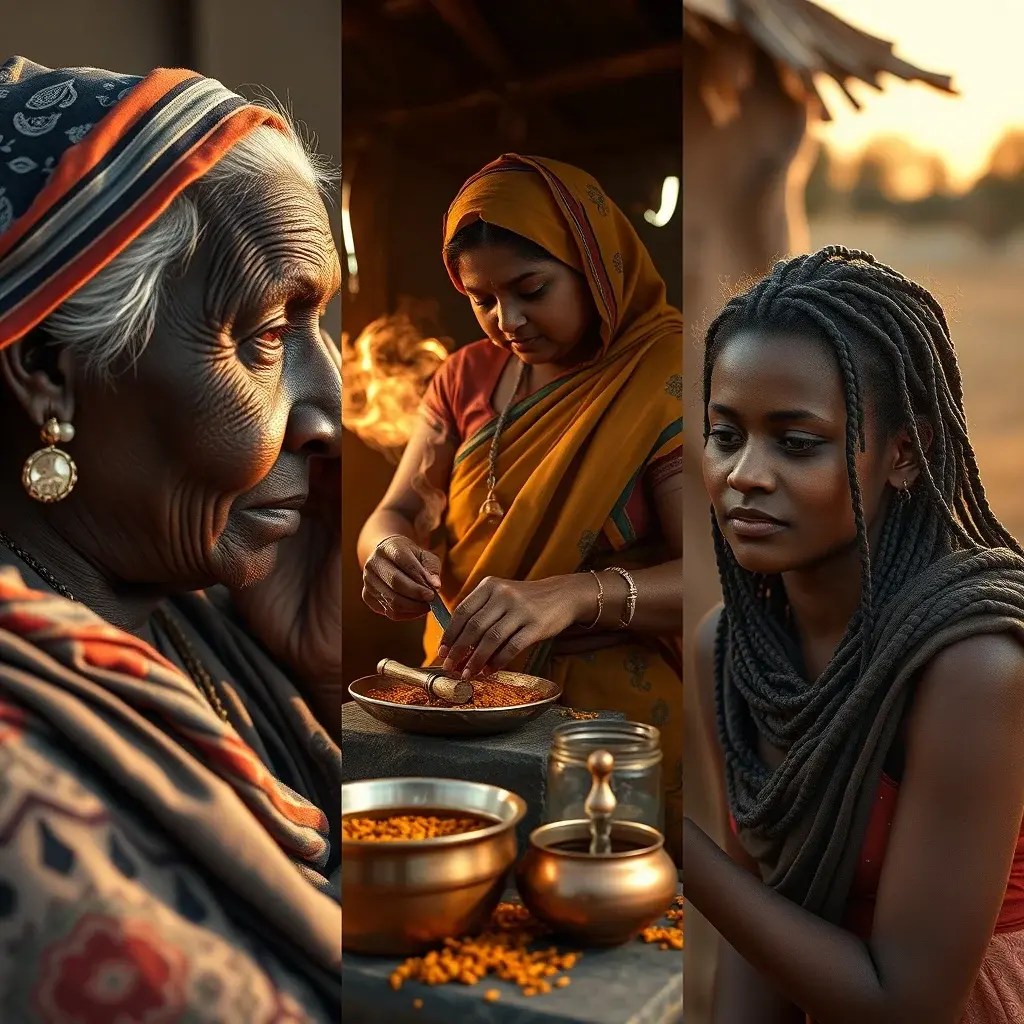
In 2024, the global beauty industry is witnessing a paradigm shift as consumers, researchers, and policymakers increasingly intersect with the resurgence of ancestral melanin care practices. This movement, rooted in centuries-old traditions from West Africa, South Asia, the Caribbean, and Indigenous communities across the Americas, is not merely a trend but a structured reclamation of cultural identity, scientific validation, and economic empowerment. The phenomenon spans continents, with market data from Euromonitor International indicating a 23% year-over-year growth in heritage-inspired skincare products since 2020, while academic studies, such as those published in the Journal of Cosmetic Dermatology, reveal a 40% increase in peer-reviewed research on melanin-specific dermatological needs over the same period. The stakeholders driving this evolution include Indigenous knowledge holders, dermatologists specializing in skin of color, multinational beauty corporations, and grassroots collectives advocating for ethical sourcing and cultural preservation.
The convergence of these forces reflects a broader reckoning with the historical marginalization of melanin-rich skin in mainstream beauty standards. For generations, skincare formulations, clinical trials, and marketing narratives prioritized lighter skin tones, often excluding or misrepresenting darker complexions. This exclusion has had measurable consequences: a 2023 study by the American Academy of Dermatology found that 65% of individuals with skin of color reported delayed or misdiagnosed dermatological conditions due to a lack of representation in medical training. The current resurgence of ancestral melanin care practices seeks to address these gaps by integrating generational wisdom with modern science, creating a hybrid framework that honors tradition while meeting contemporary demands for efficacy, safety, and inclusivity.
The Historical Foundations of Ancestral Melanin Care
The origins of melanin-centric skincare rituals date back millennia, with archaeological and anthropological evidence tracing their development across diverse civilizations. Below is a chronological overview of key milestones:
- 3000 BCE – Ancient Egypt: Papyrus scrolls document the use of shea butter, moringa oil, and honey in skincare formulations designed to protect against sun damage and hyperpigmentation. Cleopatra’s legendary milk baths, infused with lactic acid, were among the earliest recorded exfoliation treatments for melanin-rich skin.
- 1200 BCE – West Africa: The Yoruba and Akan peoples developed multi-step routines using black soap, palm kernel oil, and native botanicals like African basil and neem. These practices were not only cosmetic but also spiritual, with rituals tied to rites of passage and communal ceremonies.
- 500 BCE – South Asia: Ayurvedic texts, such as the Charaka Samhita, prescribed turmeric, sandalwood, and neem for their anti-inflammatory and brightening properties. These ingredients remain foundational in modern melanin-focused skincare.
- 1500 CE – The Americas: Indigenous communities, including the Maya and Aztec, utilized cocoa butter, aloe vera, and achiote for sun protection and skin healing. These traditions were later suppressed during colonialism but have seen a revival in recent decades.
- 19th Century – Caribbean: Enslaved Africans and their descendants preserved and adapted skincare rituals, blending African botanicals with local ingredients like coconut oil and sea moss. These practices became a form of resistance and cultural preservation.
- 2000s – Present: The digital age facilitated the global dissemination of these traditions, with social media platforms amplifying the voices of melanin-rich beauty influencers and entrepreneurs. Brands like SheaMoisture, Fenty Skin, and Black Girl Sunscreen emerged, catering specifically to the needs of darker skin tones.
The Science Behind Ancestral Melanin Care
The efficacy of heritage skincare practices is increasingly validated by modern dermatological research. Melanin, the pigment responsible for skin color, plays a critical role in protecting against ultraviolet (UV) radiation, but it also presents unique challenges, such as hyperpigmentation, uneven tone, and a higher susceptibility to certain dermatological conditions. Ancestral practices address these challenges through a combination of botanical extracts, natural acids, and ritualistic application methods.
A 2022 study published in the International Journal of Dermatology analyzed the chemical composition of 50 traditional melanin care ingredients, identifying key active compounds:
| Ingredient | Origin | Active Compounds | Dermatological Benefits |
|---|---|---|---|
| Shea Butter | West Africa | Oleic acid, stearic acid, vitamin E | Moisturization, anti-inflammatory, scar reduction |
| Turmeric | South Asia | Curcumin | Brightening, anti-acne, antioxidant |
| Neem | South Asia, West Africa | Nimbidin, gedunin | Antibacterial, antifungal, eczema relief |
| Cocoa Butter | Central and South America | Theobromine, polyphenols | Elasticity, hydration, stretch mark prevention |
| African Black Soap | West Africa | Plantain skins, palm kernel oil, cocoa pods | Exfoliation, acne treatment, hyperpigmentation reduction |
Dr. Michelle Henry, a board-certified dermatologist and clinical instructor at Weill Cornell Medicine, notes, “The resurgence of these ingredients is not just about nostalgia; it’s about evidence-based skincare. Many of these botanicals contain compounds that modern science is only now beginning to fully understand. For example, the anti-inflammatory properties of shea butter are comparable to those of hydrocortisone, but without the side effects.”
However, the integration of ancestral practices with modern science is not without challenges. Dr. Henry cautions, “While these ingredients are powerful, they must be formulated correctly to avoid irritation or allergic reactions. The concentration of active compounds, pH levels, and compatibility with other ingredients are all critical factors that require rigorous testing.”
Economic and Cultural Impacts of the Heritage Skincare Movement
The global market for melanin-focused skincare is projected to reach $12.7 billion by 2027, according to a report by Grand View Research. This growth is driven by several factors, including increased consumer demand for inclusivity, the rise of Black and Indigenous-owned beauty brands, and the expansion of e-commerce platforms that facilitate access to heritage products. Below is a breakdown of the economic landscape:
- Market Growth: The melanin skincare segment grew by 18% in 2023, outpacing the overall beauty market, which grew by 5%.
- Brand Diversity: In 2024, 35% of new skincare brands launched in the U.S. and Europe were founded by individuals of color, up from 12% in 2018.
- Consumer Spending: A 2023 survey by NielsenIQ found that 68% of Black consumers and 54% of Hispanic consumers prioritize purchasing skincare products from brands that cater specifically to their skin needs.
- Global Reach: The Asia-Pacific region is the fastest-growing market for melanin skincare, with a compound annual growth rate (CAGR) of 21% from 2022 to 2027, driven by increasing awareness of hyperpigmentation and sun protection.
Beyond economics, the heritage skincare movement has profound cultural implications. For many communities, the revival of ancestral practices is a form of cultural reclamation. Dr. Yetunde Olufade, a cultural anthropologist at the University of Lagos, explains, “These rituals are not just about skincare; they are about identity. For centuries, colonialism and globalization eroded Indigenous knowledge systems. The resurgence of these practices is a way for communities to assert their heritage and resist cultural homogenization.”
Yet, the commercialization of ancestral practices has also sparked debates about cultural appropriation and exploitation. In 2023, a controversy erupted when a multinational beauty corporation launched a “tribal-inspired” skincare line that included sacred Indigenous ingredients without crediting or compensating the source communities. The incident prompted calls for stricter regulations on the ethical sourcing of cultural knowledge. As Dr. Olufade asserts, “The line between appreciation and appropriation is thin. Brands must engage with communities as partners, not just as sources of inspiration.”
Stakeholder Perspectives: Conflicts and Collaborations
The heritage skincare movement is characterized by a complex web of stakeholder interests, often leading to tensions between cultural preservation, scientific innovation, and commercial profit. Below are key perspectives from diverse stakeholders:
Indigenous Knowledge Holders: For many Indigenous communities, ancestral skincare practices are sacred and tied to spiritual beliefs. The commercialization of these practices without consent or compensation is viewed as a violation of cultural sovereignty. Linda Black Elk, an ethnobotanist and member of the Catawba Nation, states, “Our knowledge is not a commodity. When corporations take our traditions and turn them into products, they strip away the cultural context and reduce them to mere ingredients. We need legal protections to ensure that our intellectual property is respected.”
Dermatologists and Scientists: The medical community is divided on the efficacy and safety of ancestral practices. While some dermatologists advocate for their integration into modern skincare, others caution against unregulated use. Dr. Henry emphasizes, “We need more clinical trials to validate these ingredients. The beauty industry moves fast, but science moves deliberately. We cannot afford to compromise safety for the sake of trends.”
Beauty Corporations: Multinational brands are increasingly investing in melanin-focused skincare, driven by consumer demand and market potential. However, their approach to cultural sensitivity varies. Unilever, the parent company of SheaMoisture, has faced criticism for diluting the brand’s cultural roots while expanding its market reach. A company spokesperson responded, “We are committed to honoring the heritage of SheaMoisture while making it accessible to a global audience. Our partnerships with local communities ensure that we give back to the regions where our ingredients originate.”
Grassroots Advocates: Activists and entrepreneurs are leading the charge for ethical and inclusive beauty. Nyakio Grieco, founder of the clean beauty brand Nyakio Beauty, argues, “The beauty industry has a history of excluding people of color. The current movement is about more than just products; it’s about systemic change. We need to see more diversity in boardrooms, laboratories, and marketing campaigns.”
Regulatory and Ethical Considerations
The rapid growth of the heritage skincare market has outpaced regulatory frameworks, leading to gaps in oversight and ethical accountability. Key issues include:
- Intellectual Property: There are no international laws protecting Indigenous knowledge from exploitation. The World Intellectual Property Organization (WIPO) has proposed guidelines for the ethical use of traditional knowledge, but adoption remains voluntary.
- Product Safety: The U.S. Food and Drug Administration (FDA) and the European Union’s Cosmetics Regulation do not require pre-market approval for skincare products, leading to inconsistencies in safety standards. A 2023 investigation by the Environmental Working Group found that 15% of melanin-focused skincare products contained undisclosed ingredients, including potential allergens.
- Cultural Appropriation: There are no legal definitions of cultural appropriation in the beauty industry, leaving communities with little recourse when their traditions are commercialized without consent. Some brands have adopted self-regulatory measures, such as the “Fair Trade” certification for ingredients like shea butter and argan oil, but these are not universally applied.
In response to these challenges, policymakers are beginning to take action. In 2024, the European Parliament proposed a resolution to establish ethical sourcing guidelines for beauty ingredients derived from Indigenous knowledge. Meanwhile, the African Union has launched the “African Beauty Charter,” a framework aimed at protecting the continent’s cultural and biological heritage from exploitation.
The future of ancestral melanin care practices hinges on the ability of stakeholders to navigate these regulatory and ethical complexities. As the market continues to expand, the balance between commercialization and cultural preservation will determine whether this movement becomes a lasting force for empowerment or a fleeting trend. The upcoming UN Biodiversity Conference in 2025 may serve as a critical juncture, where global leaders could establish binding agreements on the ethical use of traditional knowledge. Until then, the dialogue between communities, corporations, and consumers will shape the trajectory of heritage skincare in an increasingly interconnected world.
You may also like
-
The Comprehensive Dynamics of Melanin Ritual Skincare: Science, Routines, and Equity for Medium to Dark Skin Tones in 2025
-
The Comprehensive Framework for Melanin-Conscious Skincare: Evidence-Based Strategies for Hyperpigmentation, Brightening, and Barrier Resilience
-
The Global Resurgence of Ancestral Melanin Care: Tradition, Science, and Identity in Contemporary Skincare
-
The Essential Components of Melanin Ritual Skincare: A 2025 Breakdown of Dark Skin Radiance, Formulation Science, and Dermatological Precision for Rich Complexions
-
Sustainable Fashion: How the Industry is Shifting Toward Ethical and Eco-Friendly Practices