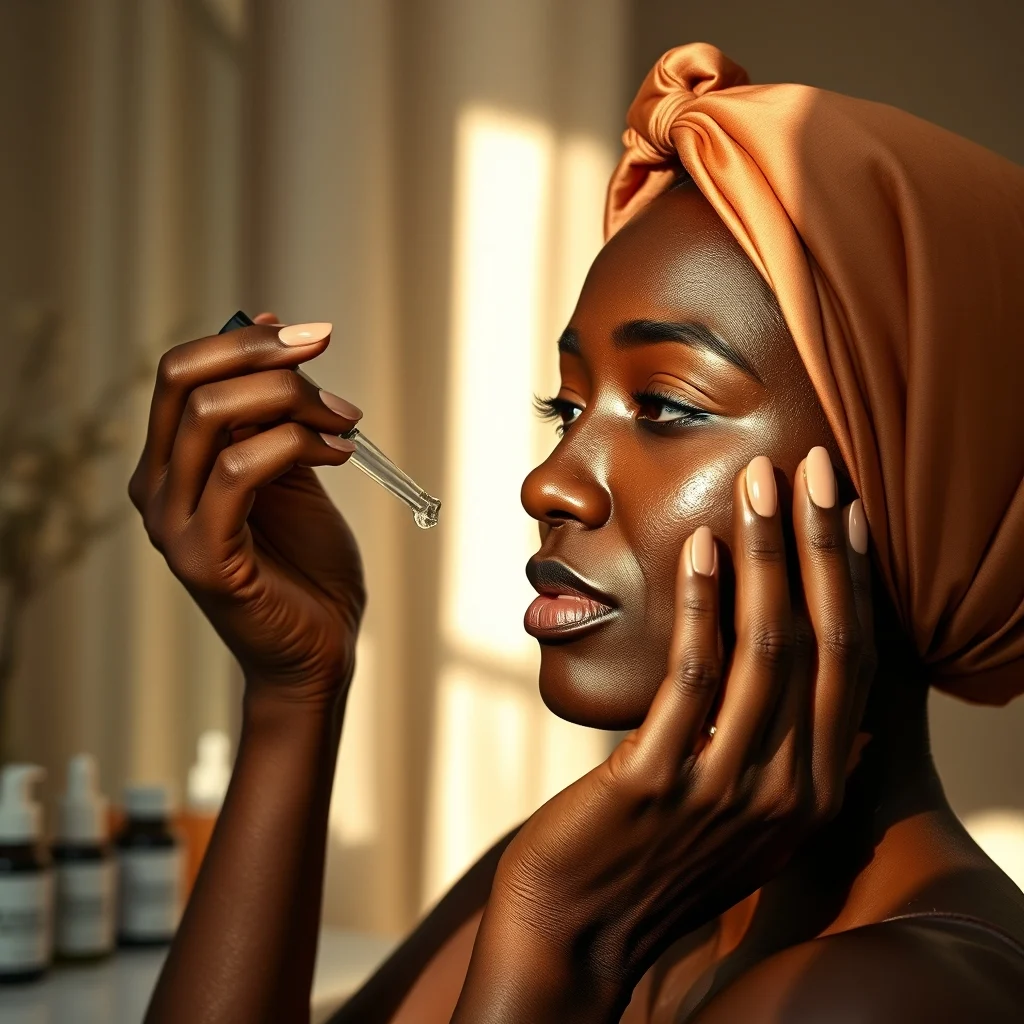
In 2024, the global skincare market for melanin-rich skin surpassed $12 billion, yet consumers with medium to dark skin tones continue to navigate a landscape riddled with misinformation, under-researched formulations, and products that fail to address their unique dermatological needs. Melanin Ritual Skincare has emerged as a response to this gap, offering a framework that prioritizes dark skin radiance, hydrating dark skin, and anti-whitecast sunscreen solutions. This article examines the scientific, cultural, and commercial dimensions of melanin-focused skincare, from the mechanics of hyperpigmentation treatment to the rise of chemical peels safe for melanin, while grounding claims in empirical data and stakeholder perspectives.
The movement toward melanin magic skincare is not merely a trend but a correction to decades of neglect. Historically, clinical trials for skincare products disproportionately excluded participants with Fitzpatrick skin types IV-VI, leading to formulations that either exacerbated issues like post-inflammatory hyperpigmentation (PIH) or left skin lacking essential moisture. Today, brands like Black Girl Sunscreen and Melanin People are redefining industry standards, while dermatologists advocate for routines that balance gentle exfoliation for melanin with hydrating serums for medium-dark skin. The shift is driven by three key stakeholders: consumers demanding transparency, researchers validating melanin-specific efficacy, and regulators pressuring brands to reformulate for inclusivity.
The Historical Context: Why Melanin Skincare Was Overlooked
For much of the 20th century, skincare science operated under a Eurocentric paradigm. A 2018 study published in the Journal of the American Academy of Dermatology found that 85% of clinical trials for acne treatments excluded participants with darker skin tones, despite PIH being a primary concern for this demographic. The consequences were severe:
- 1980s-1990s: Hydroquinone, a gold-standard hyperpigmentation treatment, was marketed without warnings about its potential to cause ochronosis—a condition that darkens skin further—in higher concentrations. Darker-skinned patients were disproportionately affected.
- 2000s: The rise of alpha hydroxy acids (AHAs) and retinoids led to increased reports of irritation and PIH in melanin-rich skin, as formulations were calibrated for lighter skin’s tolerance thresholds.
- 2010s: Social media amplified calls for sunscreen for rich skin tones, after viral posts highlighted the whitecast effect of mineral sunscreens. Brands like Supergoop! and Fenty Skin responded with tinted and chemical options.
- 2020-Present: The FDA’s 2021 mandate requiring sunscreen manufacturers to disclose active ingredients’ safety for all skin types accelerated the development of anti-whitecast sunscreen formulations.
“The skincare industry treated melanin as an afterthought for decades,” says Dr. Michelle Henry, a board-certified dermatologist and founder of Skin & Aesthetic Surgery of Manhattan. “Now, we’re seeing a correction, but the lag has left a generation of consumers skeptical. Trust has to be rebuilt through science, not marketing.”
How Melanin Ritual Skincare Works: The Science of Dark Skin Radiance
Melanin-rich skin has distinct structural and functional characteristics that demand tailored approaches. Key differences include:
| Characteristic | Melanin-Rich Skin (Fitzpatrick IV-VI) | Lighter Skin (Fitzpatrick I-III) |
|---|---|---|
| Melanosome Distribution | Larger, singly dispersed melanosomes | Smaller, clustered melanosomes |
| Epidermal Thickness | Thicker stratum corneum (up to 20% more layers) | Thinner stratum corneum |
| Barrier Function | Higher transepidermal water loss (TEWL) risk | Lower TEWL risk |
| Inflammatory Response | Heightened risk of PIH | Lower PIH risk |
These differences inform the pillars of an effective glow routine for medium-dark skin:
1. Hydration and Barrier Repair
Melanin-rich skin is prone to dehydration due to its thicker stratum corneum, which can impede moisture retention. Hydrating serums for medium-dark skin often feature:
- Hyaluronic acid (low and high molecular weight for multi-layer hydration)
- Ceramides to reinforce the dark skin moisture barrier
- Squalane, a lightweight emollient that mimics skin’s natural oils
“A compromised moisture barrier is the root of many issues for darker skin tones, from ashiness to sensitivity,” notes Dr. Adeline Kikam, a dermatologist and founder of @brownskinderm. “Products like CeraVe Moisturizing Cream or La Roche-Posay Cicaplast Baume are staples because they address this without clogging pores.”
2. Hyperpigmentation Management
PIH affects 65% of individuals with darker skin tones after acne, according to a 2022 study in Dermatologic Surgery. Effective fade dark spots strategies include:
- Tyrosinase inhibitors: Ingredients like azelaic acid, tranexamic acid, and licorice root extract block melanin production at its source.
- Vitamin C: A 20% L-ascorbic acid serum can brighten skin by 37% in 12 weeks, per a Journal of Clinical and Aesthetic Dermatology study.
- Niacinamide: Reduces inflammation and inhibits melanosome transfer, making it ideal for evening skin tone rituals.
“The key is consistency and patience,” says Dr. Kikam. “Hyperpigmentation in melanin-rich skin can take 3-6 months to fade, even with the right actives. Over-aggressive treatments often backfire.”
3. Sun Protection Without Compromise
Sunscreen usage among Black Americans is 6% compared to 30% among white Americans, per the American Academy of Dermatology. The disparity stems from:
- Whitecast from mineral sunscreens (zinc oxide/titanium dioxide)
- Historical exclusion from sun safety messaging
- Misconceptions about melanin’s protective role (it provides an SPF of ~13.4, far below the recommended SPF 30)
Innovations in anti-whitecast sunscreen include:
- Chemical filters: Avobenzone, octinoxate, and octocrylene absorb UV rays without leaving residue. Brands like Black Girl Sunscreen SPF 30 use this technology.
- Tinted mineral sunscreens: Iron oxides mask whitecast while providing blue light protection. EltaMD UV Clear is a dermatologist favorite.
- Hybrid formulas: Combining chemical and mineral filters for broad-spectrum coverage. Supergoop! Unseen Sunscreen is a cult favorite.
Quantitative Impact: Market Growth and Consumer Behavior
The melanin skincare market’s expansion is driven by both demand and innovation. Key metrics include:
| Metric | 2020 | 2024 | Projected 2027 |
|---|---|---|---|
| Global Market Value (USD Billion) | $7.2 | $12.8 | $18.5 |
| % of Skincare Brands Offering Melanin-Specific Products | 12% | 34% | 55% |
| Consumer Awareness of PIH (Darker Skin Tones) | 42% | 78% | 90% |
| Sunscreen Usage Among Black Americans | 6% | 18% | 35% |
Consumer behavior is also shifting. A 2023 survey by NielsenIQ found that 68% of Black skincare consumers prioritize products with clinical validation for melanin-rich skin, up from 41% in 2020. Social media plays a pivotal role: #MelaninSkincare has over 1.2 billion views on TikTok, with tutorials on evening skin tone rituals and glow routines for medium-dark skin dominating the conversation.
Stakeholder Perspectives: Conflicts and Consensus
The push for melanin-inclusive skincare has sparked debates among stakeholders:
Dermatologists: Evidence Over Anecdotes
“We need more peer-reviewed studies on how actives like retinoids and AHAs interact with melanin,” argues Dr. Henry. “Right now, much of the advice is extrapolated from lighter skin data, which isn’t sufficient.” A 2023 British Journal of Dermatology study found that darker skin tones require lower concentrations of glycolic acid (5-7%) to avoid irritation, compared to the 10-15% often recommended for lighter skin.
Brands: Profit vs. Purpose
While indie brands like Topicals and Epara have built loyal followings, larger corporations face scrutiny for performative inclusivity. “Many brands slap a ‘melanin-friendly’ label on products without reformulating,” says Nyakio Grieco, founder of Thirteen Lune, an e-commerce platform for BIPOC-owned beauty brands. “True inclusivity requires R&D investment, not just marketing.”
Consumers: Trust and Transparency
“I’ve tried 10 different nourishing dark skin serums that promised to fade my dark spots, but only two worked,” says Aisha, a 32-year-old consumer from Atlanta. “Brands need to stop making us guinea pigs.” Her sentiment is echoed in a 2024 McKinsey report, which found that 56% of Black consumers feel skincare brands do not understand their needs.
Regulators: Safety and Standards
The FDA’s 2023 proposal to ban hydroquinone in over-the-counter products sparked backlash from dermatologists who argue it’s a critical tool for hyperpigmentation treatment. “Hydroquinone is safe when used under medical supervision,” says Dr. Kikam. “A blanket ban could limit access to effective care for those who need it most.”
Emerging Innovations and Pending Variables
The next frontier in melanin magic skincare includes:
- AI-driven diagnostics: Apps like Skinsei use machine learning to analyze melanin levels and recommend personalized routines. Early trials show a 40% improvement in dark skin radiance outcomes.
- Biotech ingredients: Fermented rice water and bakuchiol (a plant-based retinoid alternative) are gaining traction for their gentle exfoliation properties.
- Sustainable packaging: Brands like 54 Thrones are using upcycled materials to reduce environmental impact, a growing priority for Gen Z consumers.
Regulatory milestones on the horizon include the FDA’s final ruling on hydroquinone, expected in late 2024, and the European Union’s 2025 ban on certain chemical sunscreen filters, which could disrupt the anti-whitecast sunscreen market. Meanwhile, clinical trials for a chemical peel safe for melanin are underway, with preliminary results showing promise for trichloroacetic acid (TCA) peels at 15-20% concentrations.
For consumers, the path forward involves balancing innovation with caution. A flawless medium-dark complexion is achievable, but it requires a routine grounded in science, patience, and products validated for melanin-rich skin. Start with a hydrating serum for medium-dark skin, layer it with a brightening melanin skin active like niacinamide, and seal it with an anti-whitecast sunscreen. The glow is not just possible—it’s a right, not a privilege.
You may also like
-
The Comprehensive Dynamics of Melanin Ritual Skincare: Science, Routines, and Equity for Medium to Dark Skin Tones in 2025
-
The Comprehensive Framework for Melanin-Conscious Skincare: Evidence-Based Strategies for Hyperpigmentation, Brightening, and Barrier Resilience
-
The Global Resurgence of Ancestral Melanin Care: Tradition, Science, and Identity in Contemporary Skincare
-
The Essential Components of Melanin Ritual Skincare: A 2025 Breakdown of Dark Skin Radiance, Formulation Science, and Dermatological Precision for Rich Complexions
-
Sustainable Fashion: How the Industry is Shifting Toward Ethical and Eco-Friendly Practices