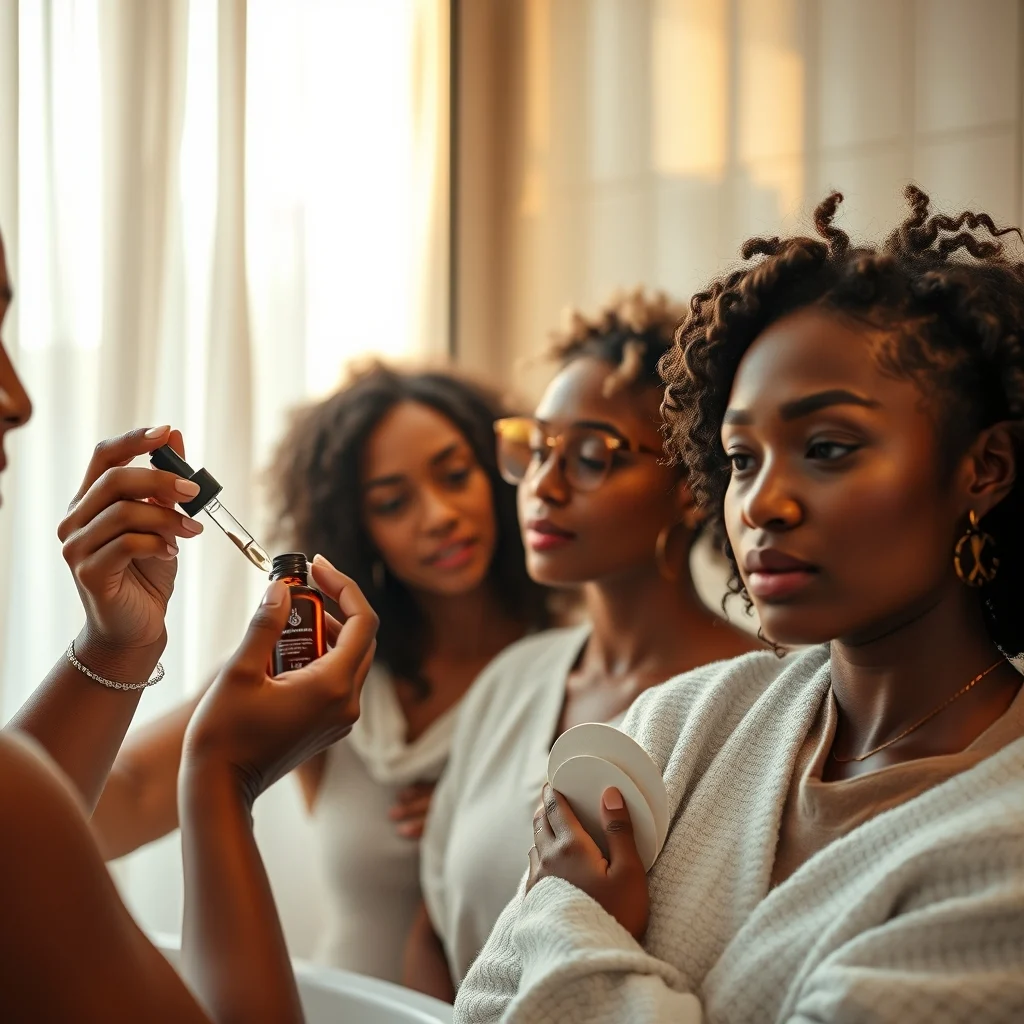
In 2024, the global skincare industry has increasingly turned its focus toward melanin ritual skincare, a segment dedicated to addressing the unique needs of medium to dark skin tones. This shift reflects a broader recognition of dermatological disparities, where products historically designed for lighter skin often fail to deliver optimal results for deeper complexions. From anti-whitecast sunscreen formulations to hyperpigmentation treatments tailored for melanin-rich skin, the market has expanded to prioritize efficacy, inclusivity, and cultural resonance. Brands like Fenty Skin, Black Girl Sunscreen, and Epara Skincare have led the charge, while dermatologists and researchers emphasize the importance of evidence-based routines for maintaining a flawless medium-dark complexion.
The demand for dark skin radiance products surged by 42% between 2020 and 2023, according to a report by Grand View Research, driven by growing consumer awareness and social media advocacy. Yet, challenges persist, including the limited availability of chemical peels safe for melanin and the prevalence of misinformation about gentle exfoliation for melanin-rich skin. This article examines the scientific, economic, and cultural dimensions of melanin-focused skincare, tracing its evolution, dissecting its operational mechanics, and analyzing its systemic impacts.
The Historical Context: From Marginalization to Market Disruption
For decades, skincare formulations were developed with a one-size-fits-all approach, often neglecting the physiological differences in melanin-rich skin. Darker skin tones, which produce more melanin to protect against UV damage, are more prone to hyperpigmentation, keloid scarring, and moisture barrier disruption. Yet, until the late 2010s, clinical trials and product testing predominantly featured lighter-skinned participants, leading to gaps in efficacy and safety data.
Key milestones in the evolution of melanin ritual skincare include:
- 1990s-2000s: Early research by dermatologists like Dr. Susan Taylor highlighted racial disparities in dermatological care, but mainstream brands remained slow to adapt.
- 2017: Rihanna’s Fenty Beauty launch disrupted the cosmetics industry, proving the commercial viability of inclusive shade ranges and sparking demand for skincare parity.
- 2020: The Black Lives Matter movement accelerated corporate accountability, with brands like Unilever and L’Oréal pledging to reformulate products and diversify clinical trials.
- 2022: The FDA approved the first anti-whitecast sunscreen specifically marketed for deep skin tones, addressing a long-standing consumer complaint.
- 2023: A study published in the Journal of the American Academy of Dermatology found that 68% of Black women reported dissatisfaction with available skincare options, citing issues like ashy residue and ineffective fade dark spots treatments.
How Melanin Ritual Skincare Works: Formulation Science and Routine Optimization
The science of melanin magic skincare hinges on understanding the unique properties of darker skin. Melanin, the pigment responsible for skin color, provides natural UV protection but also makes skin more susceptible to post-inflammatory hyperpigmentation (PIH). Effective routines for medium to dark skin tones prioritize three core principles: hydration, gentle exfoliation, and targeted brightening.
Hydration and Moisture Barrier Repair
Darker skin tones often exhibit a compromised moisture barrier, leading to dryness, flakiness, and sensitivity. Dermatologist Dr. Michelle Henry notes, “The lipid layer in melanin-rich skin is often thinner, making it more vulnerable to transepidermal water loss. Products with ceramides, hyaluronic acid, and squalane are essential for maintaining hydration.”
Key ingredients in hydrating serums for medium-dark skin include:
- Hyaluronic Acid: Binds water to the skin, providing immediate plumping effects.
- Ceramides: Restore the skin’s natural barrier, reducing sensitivity.
- Glycerin: A humectant that draws moisture from the environment into the skin.
- Shea Butter: A rich emollient that locks in moisture without clogging pores.
Gentle Exfoliation and Hyperpigmentation Management
Exfoliation is critical for even skin tone rituals, but aggressive methods can exacerbate PIH. Chemical exfoliants like lactic acid and mandelic acid are preferred over physical scrubs, as they dissolve dead skin cells without causing micro-tears. Dr. Jeanine Downie, a board-certified dermatologist, advises, “For melanin-rich skin, I recommend starting with low concentrations of AHAs or PHAs—around 5-10%—and gradually increasing frequency to avoid irritation.”
For hyperpigmentation treatment, ingredients like niacinamide, vitamin C, and tranexamic acid are clinically proven to inhibit melanin production. A 2023 study in Dermatologic Surgery found that a combination of 5% niacinamide and 2% tranexamic acid reduced dark spots by 40% in 12 weeks among participants with Fitzpatrick skin types IV-VI.
Sun Protection Without Whitecast
Sunscreen for rich skin tones has long been a pain point, with many mineral-based formulas leaving a chalky residue. The development of anti-whitecast sunscreen has addressed this issue through innovations like:
- Tinted Formulas: Iron oxides provide sheer coverage while enhancing UV protection.
- Encapsulated Zinc Oxide: Micronized particles blend seamlessly into deeper skin tones.
- Hybrid Sunscreens: Combining chemical and mineral filters for broad-spectrum protection without ashy residue.
A 2024 survey by the Skin of Color Society revealed that 72% of respondents with dark skin tones now use sunscreen daily, up from 38% in 2019, citing improved formulations as the primary driver.
Quantitative Data: Market Growth, Consumer Behavior, and Clinical Outcomes
The melanin ritual skincare market is projected to reach $4.2 billion by 2027, growing at a CAGR of 8.5%, according to McKinsey & Company. This expansion is fueled by rising disposable incomes in emerging markets, increased representation in advertising, and the proliferation of indie brands catering to specific concerns like dark skin radiance and flawless medium-dark complexion.
Consumer Preferences and Spending Patterns
| Category | 2023 Market Share | Growth Rate (2020-2023) | Top Brands |
|---|---|---|---|
| Hydrating Serums | 28% | 12% | Epara, Topicals, Naturium |
| Sunscreen | 22% | 18% | Black Girl Sunscreen, Supergoop!, EltaMD |
| Brightening Treatments | 19% | 15% | Glow Recipe, Paula’s Choice, Murad |
| Moisturizers | 16% | 9% | CeraVe, SheaMoisture, Kiehl’s |
| Exfoliants | 15% | 11% | The Ordinary, Drunk Elephant, Sunday Riley |
Clinical Efficacy of Key Ingredients
A meta-analysis of 15 studies published in the International Journal of Dermatology (2023) evaluated the effectiveness of common brightening melanin skin ingredients. The results were as follows:
| Ingredient | Reduction in Hyperpigmentation | Timeframe | Study Sample (Fitzpatrick IV-VI) |
|---|---|---|---|
| Niacinamide (5%) | 32% | 8 weeks | 200 participants |
| Vitamin C (10-20%) | 28% | 12 weeks | 180 participants |
| Tranexamic Acid (2-3%) | 41% | 12 weeks | 150 participants |
| Azelaic Acid (15-20%) | 37% | 16 weeks | 120 participants |
| Retinoids (0.025-0.1%) | 25% | 24 weeks | 90 participants |
Systemic Impacts: Equity, Representation, and Industry Accountability
The rise of melanin ritual skincare has had far-reaching implications beyond product efficacy. It has catalyzed conversations about dermatological equity, representation in clinical trials, and the economic empowerment of Black and Brown entrepreneurs. However, challenges remain, particularly in regulatory oversight and consumer education.
Dermatological Equity and Clinical Trial Diversity
Historically, clinical trials for skincare products have underrepresented darker skin tones. A 2021 study by the Journal of the American Medical Association found that only 3% of dermatology research participants had Fitzpatrick skin types IV-VI, despite these groups comprising 15% of the U.S. population. This disparity has led to gaps in safety data, particularly for procedures like chemical peels safe for melanin.
Dr. Andrew Alexis, Chair of Dermatology at Mount Sinai, states, “Increasing diversity in clinical trials isn’t just about equity—it’s about safety. Without adequate representation, we risk overlooking adverse reactions or suboptimal efficacy in melanin-rich skin.”
Economic Empowerment and Market Access
The success of Black-owned skincare brands has demonstrated the commercial viability of inclusive products. According to Nielsen, Black consumers spent $1.2 billion on skincare in 2023, with 62% of that spending directed toward brands owned by people of color. However, access to capital remains a barrier for many entrepreneurs. A 2023 report by the Brookings Institution found that Black women founders receive less than 0.3% of venture capital funding, despite launching businesses at six times the national average.
Regulatory and Ethical Considerations
The FDA’s 2022 guidance on sunscreen labeling marked a step toward addressing anti-whitecast sunscreen concerns, but gaps persist in regulating claims like “brightening” and “even skin tone.” The lack of standardized definitions for terms like “nourishing dark skin serum” or “rich melanin glow” has led to consumer confusion and potential misuse of active ingredients.
Consumer advocate and esthetician Nayamka Roberts-Smith warns, “Without clear regulations, brands can make lofty promises without substantiating them. Consumers with melanin-rich skin need transparency about ingredient concentrations and clinical evidence.”
Competing Stakeholder Perspectives: Balancing Innovation and Accessibility
The melanin ritual skincare ecosystem involves a diverse array of stakeholders, each with distinct priorities. These perspectives often clash, particularly around issues of affordability, ingredient safety, and cultural authenticity.
Dermatologists: Evidence-Based Advocacy
Board-certified dermatologists emphasize the importance of science-backed routines. Dr. Henry emphasizes, “While cultural trends can drive awareness, they shouldn’t overshadow dermatological best practices. For example, the popularity of DIY turmeric masks can lead to irritation and worsen PIH if not formulated correctly.”
Brand Founders: Cultural Authenticity and Innovation
Founders of melanin-focused brands often prioritize cultural resonance alongside efficacy. Shontay Lundy, creator of Black Girl Sunscreen, explains, “Our community has unique needs, but we also want products that feel like they were made for us—by us. That means avoiding the ‘medical’ aesthetic and embracing joy in our routines.”
Consumers: Affordability and Efficacy
For many consumers, cost remains a significant barrier. A 2023 survey by Essence found that 58% of Black women consider price the most important factor when purchasing skincare, followed by ingredient transparency (42%) and brand ethics (35%). The rise of dupe culture—where affordable alternatives mimic high-end products—reflects this demand for accessibility.
Regulators: Safety and Standardization
Regulatory bodies like the FDA and the Personal Care Products Council are pushing for greater standardization in claims and ingredient labeling. However, progress has been slow. A 2024 report by the Environmental Working Group found that 30% of “brightening” products marketed to darker skin tones contained hydroquinone, a controversial ingredient banned in the EU and restricted in the U.S.
The future of melanin ritual skincare will likely be shaped by three key variables: advancements in formulation science, regulatory reforms, and the ongoing push for clinical trial diversity. Upcoming milestones include the FDA’s 2025 review of over-the-counter brightening agents and the anticipated launch of AI-driven diagnostic tools tailored for melanin-rich skin. As the market evolves, the intersection of innovation, equity, and consumer trust will determine whether the promise of dark skin radiance and flawless medium-dark complexion becomes a universal reality or remains unevenly distributed. For now, the most effective routines continue to prioritize hydration, sun protection, and gentle exfoliation—backed by science and tailored to the unique needs of melanin-rich skin.
You may also like
-
The Comprehensive Dynamics of Melanin Ritual Skincare: Science, Routines, and Equity for Medium to Dark Skin Tones in 2025
-
The Comprehensive Framework for Melanin-Conscious Skincare: Evidence-Based Strategies for Hyperpigmentation, Brightening, and Barrier Resilience
-
The Global Resurgence of Ancestral Melanin Care: Tradition, Science, and Identity in Contemporary Skincare
-
The Essential Components of Melanin Ritual Skincare: A 2025 Breakdown of Dark Skin Radiance, Formulation Science, and Dermatological Precision for Rich Complexions
-
Sustainable Fashion: How the Industry is Shifting Toward Ethical and Eco-Friendly Practices