
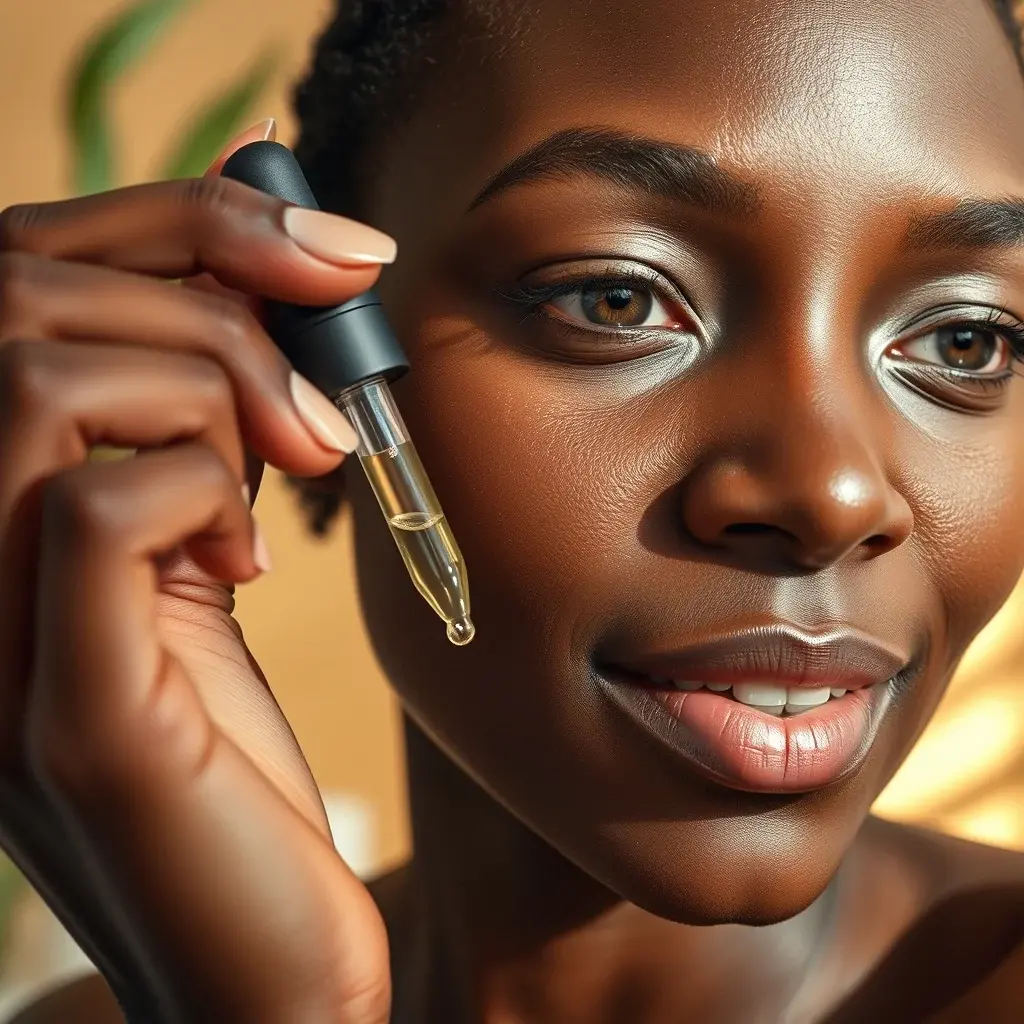
If you have deeper skin tones, finding the right ingredients for deeper skin tones can feel like navigating a maze. Hyperpigmentation, uneven texture, and sensitivity often top the list of concerns, but not all skincare is created equal. The key lies in ingredients that work harmoniously with melanin-rich skin—balancing brightness, repair, and resilience without irritation. Peptides and regenerative actives are emerging as game-changers, offering a science-backed way to enhance your skin’s natural radiance while supporting its unique needs.
Why Peptides Are a Game-Changer for Melanin-Rich Skin
Peptides are short chains of amino acids that act as building blocks for proteins like collagen and elastin. For deeper skin tones, they’re especially valuable because they stimulate repair without triggering inflammation—a common concern when using traditional brightening agents. Unlike harsh exfoliants or high-percentage acids, peptides work gently to improve firmness, smooth texture, and even out tone over time.
Look for products containing copper peptides or signal peptides, which have been shown to support wound healing and reduce the appearance of dark spots. These ingredients are particularly effective when layered with hydrating serums, as they help maintain the skin’s moisture barrier while delivering their regenerative benefits. If you’re new to peptides, start with a lightweight serum or moisturizer to see how your skin responds.
Regenerative Actives: The Next Frontier in Skin Renewal
Regenerative actives like PDRN (Polydeoxyribonucleotide) and biotech-derived ingredients are gaining traction for their ability to accelerate skin renewal. PDRN, in particular, works by mimicking the body’s natural repair processes, making it ideal for addressing post-inflammatory hyperpigmentation (PIH)—a common issue for deeper skin tones. These ingredients don’t just brighten; they help rebuild the skin’s structure, leading to long-term improvements in tone and texture.
When incorporating regenerative actives, consistency is key. Unlike quick-fix treatments, these ingredients work gradually, often taking 4-6 weeks to show visible results. Pair them with a broad-spectrum sunscreen to protect your skin from further damage, as UV exposure can exacerbate hyperpigmentation. If you’re using other active ingredients like vitamin C or retinol, alternate them with regenerative actives to avoid overloading your skin.
How to Layer Peptides and Regenerative Actives for Maximum Impact
Layering skincare ingredients can feel overwhelming, but it doesn’t have to be. Start with a clean, toned base, then apply a peptide serum to prep your skin for absorption. Follow with a regenerative active like PDRN, allowing each layer to absorb fully before moving to the next. Finish with a moisturizer to lock in hydration and support your skin’s barrier.
For those with oily or combination skin, opt for lightweight, water-based serums to avoid clogging pores. If your skin is dry or sensitive, choose formulations with added ceramides or hyaluronic acid to soothe and plump. Remember, the goal is to enhance your skin’s natural resilience, not strip it of its protective oils.
Common Mistakes to Avoid When Using These Ingredients
One of the biggest mistakes people make is expecting overnight results. Peptides and regenerative actives work best when used consistently over time, so patience is essential. Another pitfall is over-exfoliating, which can compromise your skin’s barrier and lead to irritation. Stick to gentle exfoliation 1-2 times a week, and always follow with a hydrating serum to replenish moisture.
Avoid mixing peptides with strong acids like glycolic or lactic acid in the same routine, as this can reduce their effectiveness. Instead, use them in separate steps—peptides in the morning and acids in the evening, for example. Lastly, don’t skip sunscreen. Even the best ingredients won’t deliver results if your skin isn’t protected from UV damage.
Budget-Friendly Ways to Incorporate These Ingredients
You don’t need a luxury skincare routine to benefit from peptides and regenerative actives. Many affordable brands now offer peptide-infused moisturizers and serums that deliver results without breaking the bank. Look for products with a high concentration of active ingredients and minimal fillers to get the most value for your money.
If you’re on a tight budget, focus on one key product at a time. A peptide serum or a PDRN-infused cream can be a great starting point. Pair it with a gentle cleanser and a hydrating moisturizer to create a simple yet effective routine. Over time, you can add more targeted treatments as your skin’s needs evolve.
Creating a Routine That Works for Your Lifestyle
Skincare doesn’t have to be complicated. Whether you’re a busy professional or a skincare enthusiast, the key is to find a routine that fits seamlessly into your daily life. Start with a basic regimen: cleanse, treat, moisturize, and protect. As you become more comfortable, you can introduce additional steps like exfoliation or masking.
Listen to your skin. If it feels tight or irritated, scale back and focus on hydration and repair. If it’s looking dull, incorporate a brightening serum or a gentle exfoliant. The best routine is one that adapts to your skin’s changing needs, not the other way around.
Your skin’s glow starts with the right ingredients. By focusing on peptides and regenerative actives, you’re not just addressing surface-level concerns—you’re investing in long-term skin health. Start small, stay consistent, and let your skin’s natural radiance shine through. For more information on safe and effective skincare ingredients, visit the American Academy of Dermatology.
You may also like
-
Brighten Skin Naturally: A Beginner’s Guide to Safe Ingredients
-
Brighten Skin Safely: A Beginner’s Guide to Ingredients for Deeper Tones
-
Brighten Naturally: A Beginner’s Guide to Gentle Ingredients
-
Brighten Naturally: A Beginner’s Guide to Skinimalist Ingredients
-
Brighten Skin Naturally: Safe Ingredients for Deeper Tones