Imagine waking up to skin that looks so luminous, people ask if you’ve discovered the fountain of youth. The truth? The secret to effortless radiance isn’t just in the products you use—it’s in the cutting-edge beauty & skincare trends that are redefining how we care for our skin. From AI-powered diagnostics to microbiome-friendly formulations, the future of skincare is here, and it’s more personalized, sustainable, and effective than ever before.
The Rise of Personalized Skincare: Tailoring Beauty to Your DNA
Gone are the days of one-size-fits-all skincare. Today, personalized beauty is taking center stage, with brands leveraging technology to create bespoke routines based on your unique genetic makeup, lifestyle, and environmental factors. Companies like Curology and Proven Skincare use AI algorithms to analyze your skin’s needs, delivering formulations that target everything from hyperpigmentation to fine lines with precision.
This shift toward customization isn’t just a gimmick—it’s backed by science. Studies show that genetic variations can influence how your skin responds to ingredients like retinol or vitamin C. By tailoring your routine to your DNA, you’re not just guessing what might work; you’re investing in solutions designed specifically for you.
How to Embrace Personalized Skincare Today
Start by taking an online skin quiz or consulting a dermatologist who offers genetic testing. Many brands now provide at-home kits that analyze your skin’s hydration levels, elasticity, and sensitivity. Once you have your results, look for serums, moisturizers, and treatments formulated with your specific concerns in mind. The key? Consistency—personalized skincare works best when you commit to a routine that evolves with your skin’s needs.
Sustainable Beauty: The Shift Toward Eco-Conscious Skincare
The beauty & skincare industry has long been criticized for its environmental impact, but 2024 is the year sustainability takes the spotlight. Consumers are demanding transparency, and brands are responding with refillable packaging, waterless formulations, and carbon-neutral production processes. Even luxury labels like Chanel and Dior are launching eco-friendly lines, proving that sustainability doesn’t mean sacrificing quality.
But why does this matter for your skin? Many conventional skincare products contain microplastics, synthetic fragrances, and other harmful ingredients that not only pollute the planet but can also irritate your skin. By opting for sustainable brands, you’re not just reducing your carbon footprint—you’re also choosing cleaner, gentler formulations that support long-term skin health.
Simple Ways to Make Your Routine More Sustainable
Start small by swapping out single-use cotton pads for reusable bamboo or silicone alternatives. Look for brands that use biodegradable packaging or offer refill stations for your favorite products. Another easy switch? Choose multi-functional products, like a moisturizer with SPF, to reduce the number of items in your routine. Every little change adds up, both for your skin and the planet.
The Microbiome Movement: Why Your Skin’s Ecosystem Matters
Your skin is home to trillions of bacteria, fungi, and other microorganisms that make up its microbiome. When this ecosystem is balanced, your skin looks healthy and radiant. But when it’s disrupted—by harsh cleansers, antibiotics, or environmental stressors—you might experience breakouts, redness, or premature aging. The latest beauty & skincare innovations are focusing on nurturing this delicate balance with prebiotic and probiotic-infused products.
Brands like Mother Dirt and Tula are leading the charge, formulating cleansers, serums, and moisturizers that feed the good bacteria on your skin. These products don’t just treat symptoms; they address the root cause of many common skin issues. The result? A stronger skin barrier, reduced inflammation, and a natural glow that comes from within.
How to Support Your Skin’s Microbiome
Start by simplifying your routine. Harsh exfoliants and alcohol-based toners can strip your skin of its natural oils, disrupting the microbiome. Instead, opt for gentle, pH-balanced cleansers and hydrating serums. Incorporate probiotic skincare products, like a microbiome-friendly moisturizer or a fermented essence, to replenish and protect your skin’s ecosystem. And don’t forget the basics—stay hydrated, eat a balanced diet, and get enough sleep to support your skin from the inside out.
Tech Meets Beauty: The Role of AI and Wearables in Skincare
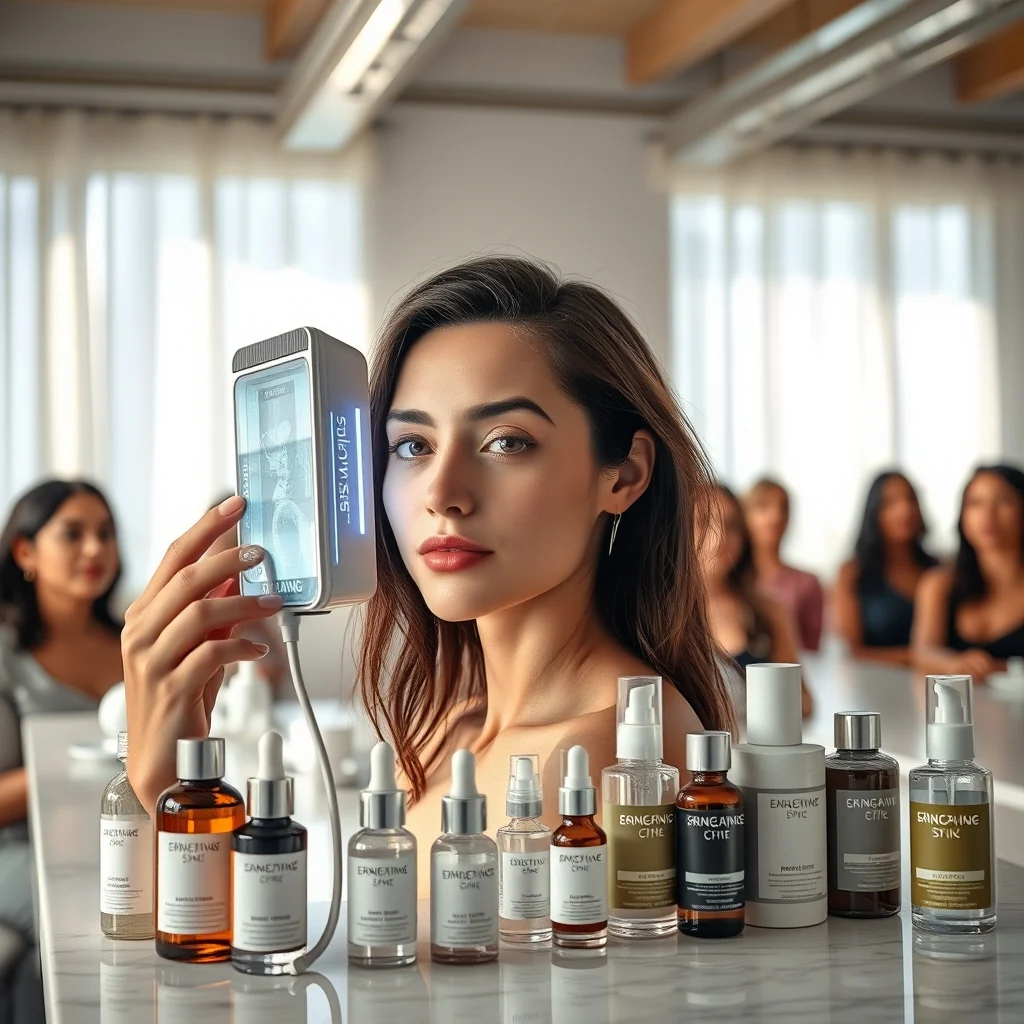
Technology is revolutionizing the way we approach beauty & skincare, with AI and wearable devices making it easier than ever to track and improve our skin’s health. From smart mirrors that analyze your complexion to apps that monitor hydration levels, these tools provide real-time insights and personalized recommendations. Imagine getting a notification that your skin is dehydrated before you even notice the dryness—that’s the power of tech-driven skincare.
One of the most exciting developments is the rise of at-home devices like LED masks and microcurrent tools. These gadgets, once reserved for dermatologists’ offices, are now accessible to everyone. They use light therapy, radiofrequency, and other advanced technologies to stimulate collagen production, reduce wrinkles, and even out skin tone. The best part? You can see results in as little as a few weeks.
How to Incorporate Tech Into Your Routine
If you’re new to tech-driven skincare, start with an app like SkinVision or Foreo’s AI tool to track your skin’s progress. For more hands-on treatments, consider investing in a high-quality LED mask or a microcurrent device like NuFace. Use these tools consistently, and pair them with your favorite serums and moisturizers for maximum results. The future of skincare isn’t just about what you put on your skin—it’s about how you use technology to enhance its natural beauty.
Clean Beauty 2.0: Beyond the Buzzword
Clean beauty has been a buzzword for years, but in 2024, it’s evolving into something more meaningful. It’s no longer just about avoiding harmful ingredients—it’s about embracing formulations that are safe, effective, and transparent. Brands are moving beyond the “free-from” label and focusing on what their products do contain: nourishing botanicals, science-backed actives, and innovative delivery systems that ensure ingredients penetrate deeply.
The shift toward clean beauty is also about ethics. Consumers are demanding cruelty-free, vegan, and ethically sourced products, and brands are listening. From upcycled ingredients to fair-trade sourcing, the clean beauty movement is setting a new standard for the industry. And the best part? These products work just as well—if not better—than their conventional counterparts.
How to Build a Clean Beauty Routine
Start by auditing your current products. Look for certifications like EWG Verified, COSMOS Organic, or Leaping Bunny to ensure they meet strict safety and ethical standards. Swap out synthetic fragrances for essential oils, and opt for plant-based preservatives like rosemary extract or vitamin E. Don’t be afraid to experiment with indie brands that prioritize transparency and innovation. Your skin—and the planet—will thank you.
The world of beauty & skincare is evolving at a rapid pace, but one thing remains constant: the desire for healthy, radiant skin. By embracing these innovative trends, you’re not just keeping up with the latest fads—you’re investing in a routine that’s tailored to your unique needs, sustainable for the planet, and powered by science. The future of skincare is here, and it’s brighter than ever. Start small, stay consistent, and let your skin’s natural glow shine through.
You may also like
-
The Minimalist’s Guide to Effortless Beauty & Skincare: Simplify for a Flawless Glow
-
The Power of Personalized Beauty & Skincare: How to Tailor Your Routine for Flawless Skin
-
The Future of Beauty & Skincare: How AI, Tech, and Personalization Are Revolutionizing Your Routine
-
The Sleep-Skin Connection: How Restful Nights Elevate Your Beauty & Skincare Game
-
Glow From Within: The Holistic Approach to Beauty & Skincare That Works Wonders