
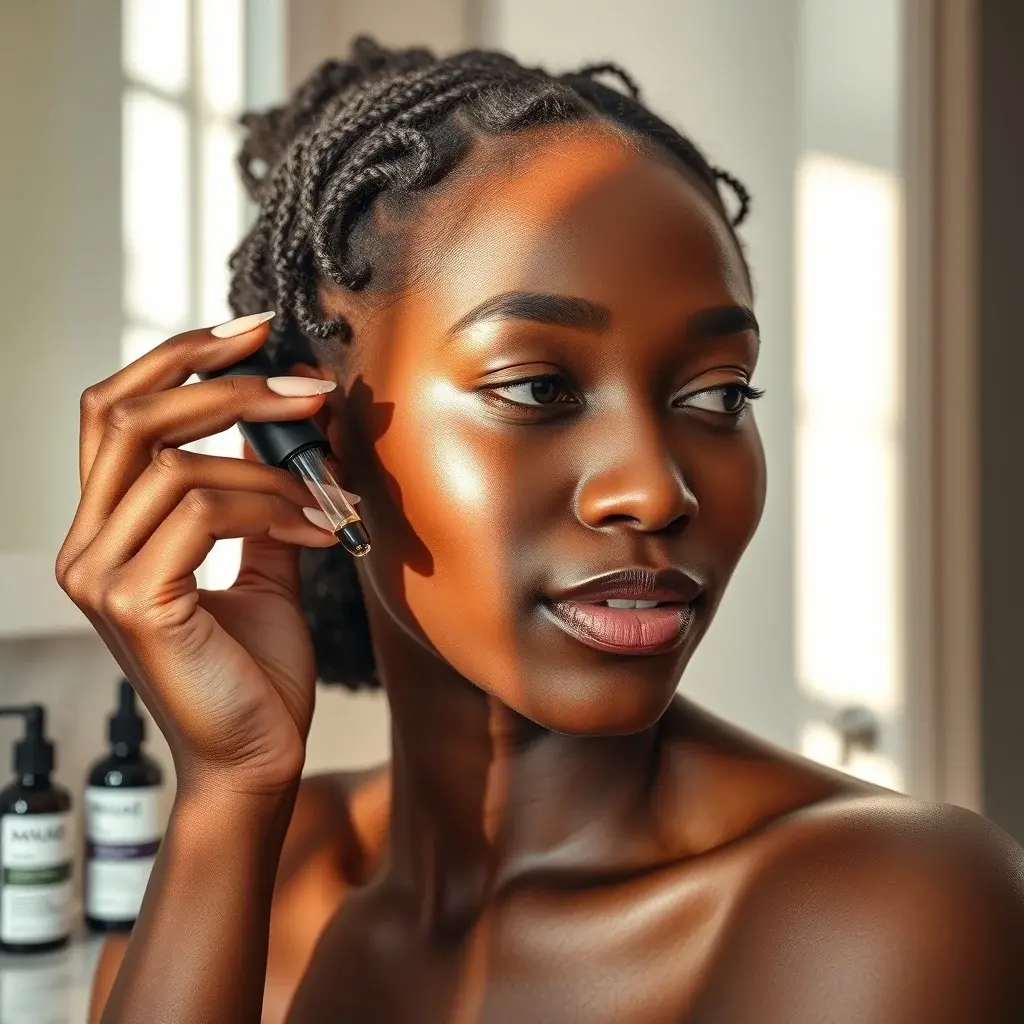
Finding the right ingredients for deeper skin tones can feel overwhelming, especially when so many products promise results but leave your skin feeling irritated or uneven. The truth is, melanin-rich skin thrives with a thoughtful, tailored approach—one that prioritizes hydration, protection, and gentle brightening without compromising your skin’s natural barrier. Whether you’re just starting your skincare journey or looking to refine your routine, this step-by-step guide will help you navigate the best ingredients for your unique needs.
Understand Your Skin’s Unique Needs
Deeper skin tones have higher melanin levels, which provide natural protection against sun damage but also make the skin more prone to hyperpigmentation, dark spots, and uneven texture. Unlike lighter skin, irritation or inflammation can trigger post-inflammatory hyperpigmentation (PIH), leaving behind stubborn marks that take time to fade. That’s why choosing the right ingredients is about more than just brightening—it’s about supporting your skin’s resilience.
Start by observing how your skin reacts to different products. Does it feel tight after cleansing? Do certain ingredients cause redness or breakouts? Paying attention to these signals will help you build a routine that works harmoniously with your skin’s natural chemistry. For example, while exfoliation is beneficial, overdoing it can lead to sensitivity, so it’s best to introduce active ingredients gradually.
Hydration First: The Foundation of Healthy Skin
Hydration is the cornerstone of any effective skincare routine, especially for deeper skin tones. Dryness can accentuate dullness and make dark spots appear more pronounced. Ingredients like hyaluronic acid, glycerin, and ceramides are powerhouses for locking in moisture and strengthening your skin’s barrier. Hyaluronic acid, in particular, can hold up to 1,000 times its weight in water, making it a must-have for plump, supple skin.
If your skin feels parched, layering a lightweight hyaluronic acid serum under a ceramide-rich moisturizer can make a noticeable difference. Look for products labeled “fragrance-free” and “non-comedogenic” to avoid clogging pores or triggering irritation. Remember, hydrated skin is better equipped to defend itself against environmental stressors and heal more efficiently.
Gentle Exfoliation for Even Tone and Texture
Exfoliation helps remove dead skin cells, revealing a brighter, smoother complexion. However, for deeper skin tones, it’s crucial to choose gentle exfoliants that won’t strip the skin or cause micro-tears. Chemical exfoliants like lactic acid and mandelic acid are excellent choices because they dissolve dead skin cells without the abrasiveness of physical scrubs. Lactic acid, derived from milk, is particularly gentle and also has hydrating properties, making it ideal for sensitive skin.
Start with a low concentration (5-10%) and use it once or twice a week to see how your skin responds. Over-exfoliating can lead to irritation, which may worsen hyperpigmentation. If you notice redness or a burning sensation, scale back and give your skin time to recover. Consistency is key—regular, gentle exfoliation will gradually improve your skin’s texture and tone.
Brightening Without Compromising Safety
When it comes to brightening dark spots and evening out skin tone, ingredients like niacinamide, vitamin C, and licorice root extract are game-changers. Niacinamide, a form of vitamin B3, is a multitasker that reduces inflammation, minimizes pores, and fades hyperpigmentation. It’s also well-tolerated by most skin types, making it a safe choice for beginners.
Vitamin C is another potent brightening agent, but it’s important to choose the right form. L-ascorbic acid is the most effective but can be irritating for sensitive skin. If you’re new to vitamin C, opt for a gentler derivative like magnesium ascorbyl phosphate (MAP) or sodium ascorbyl phosphate (SAP). These forms are less likely to cause irritation while still delivering brightening benefits. Apply vitamin C in the morning to boost your skin’s defense against environmental damage.
Sun Protection: Non-Negotiable for Melanin-Rich Skin
One of the biggest misconceptions about deeper skin tones is that they don’t need sunscreen. While melanin does offer some protection against UV rays, it’s not enough to prevent sun damage, hyperpigmentation, or even skin cancer. Daily sun protection is essential for maintaining an even skin tone and preventing dark spots from worsening.
Choose a broad-spectrum sunscreen with an SPF of at least 30. Mineral sunscreens containing zinc oxide or titanium dioxide are great options because they sit on top of the skin and reflect UV rays. If you prefer a lightweight, non-greasy formula, look for a chemical sunscreen with ingredients like avobenzone or octinoxate. Apply sunscreen as the final step in your morning routine, and don’t forget to reapply every two hours if you’re spending time outdoors.
Soothing and Strengthening Your Skin Barrier
A strong skin barrier is your best defense against irritation, dryness, and hyperpigmentation. Ingredients like centella asiatica, panthenol (provitamin B5), and allantoin help calm inflammation and support your skin’s natural repair process. Centella asiatica, also known as cica, is a powerhouse for soothing redness and promoting healing, making it ideal for sensitive or reactive skin.
Incorporate a barrier-repairing product into your nighttime routine to give your skin time to recover while you sleep. Look for moisturizers or serums that combine these soothing ingredients with ceramides to reinforce your skin’s protective layer. Over time, a stronger barrier means fewer breakouts, less irritation, and a more even complexion.
Building a skincare routine for deeper skin tones doesn’t have to be complicated. By focusing on hydration, gentle exfoliation, brightening, sun protection, and barrier repair, you can create a regimen that enhances your skin’s natural beauty. Start with one or two products at a time, observe how your skin responds, and adjust as needed. With patience and consistency, you’ll be well on your way to achieving a healthy, glowing complexion that radiates confidence. For more information on safe skincare practices, visit the American Academy of Dermatology.