
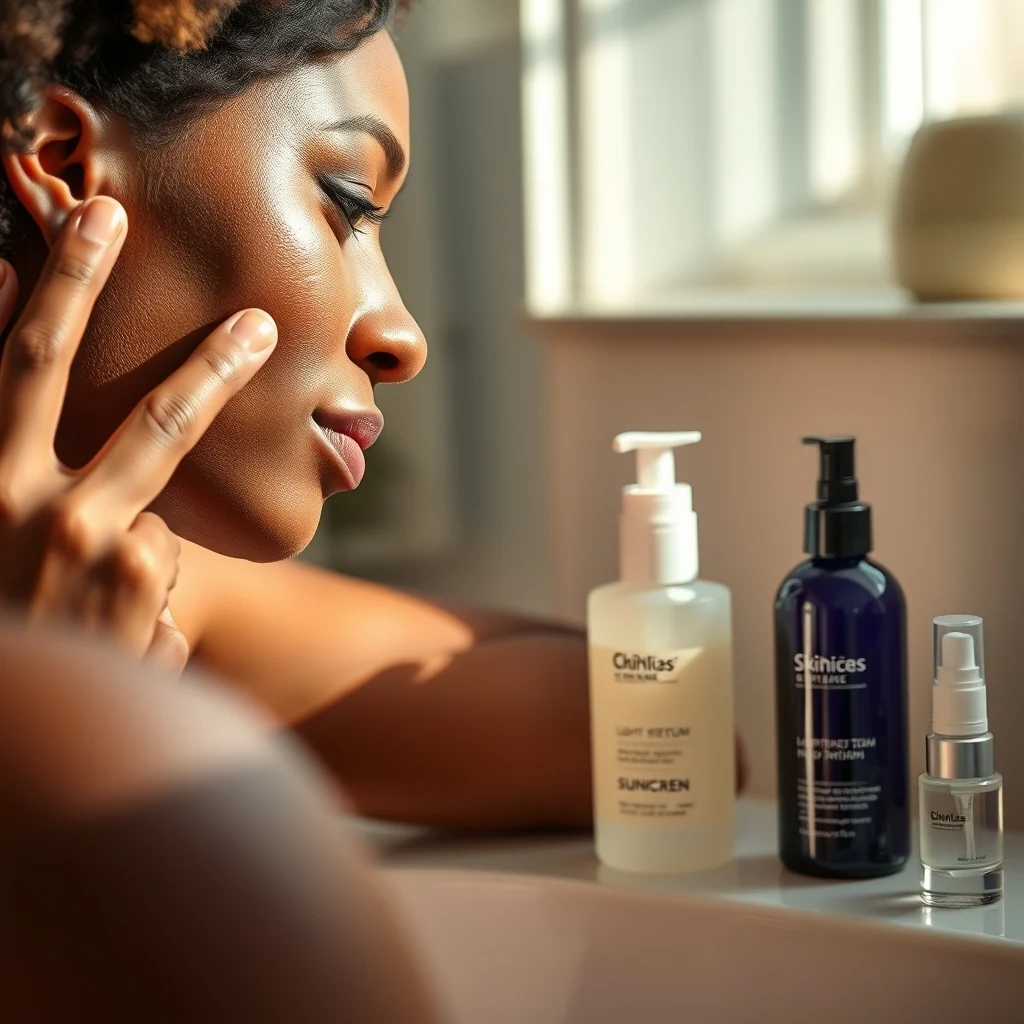
If you’ve ever felt overwhelmed by conflicting advice on how to care for your melanin-rich skin, you’re not alone. Many people with deeper skin tones struggle to find routines that address their unique needs—whether it’s balancing oil production, avoiding irritation, or achieving that coveted glow without stripping the skin. The good news? A thoughtful, tailored approach to skincare can make all the difference. This guide is designed to help beginners like you build a simple yet effective skincare routine for melanin-rich skin that prioritizes hydration, protection, and gentleness.
Understand Your Skin’s Unique Needs
Melanin-rich skin often produces more oil to protect against environmental damage, which can lead to clogged pores or breakouts if not managed properly. At the same time, it’s more prone to hyperpigmentation and can be sensitive to harsh ingredients. The key is to focus on hydration, gentle exfoliation, and sun protection without overcomplicating your routine.
Start by identifying your skin’s specific concerns—whether it’s dryness, oiliness, or dullness. This will help you choose products that address those issues without causing irritation. For example, if your skin feels tight or flaky, you’ll want to lean into richer moisturizers, while oily skin may benefit from lightweight, oil-free formulas.
Another critical factor is understanding how melanin affects your skin’s response to ingredients. While melanin provides natural sun protection, it doesn’t mean you should skip sunscreen. In fact, using a broad-spectrum SPF is non-negotiable to prevent dark spots and uneven tone over time.
Start with a Simple, Effective Cleanser
Cleansing is the foundation of any skincare routine, but it’s especially important for melanin-rich skin to avoid stripping natural oils or causing irritation. Look for a gentle, hydrating cleanser that removes dirt and impurities without disrupting your skin’s barrier. Avoid sulfates and alcohol-based cleansers, as they can be too harsh and lead to dryness or breakouts.
Double cleansing can be a game-changer, particularly if you wear makeup or sunscreen. Start with an oil-based cleanser to dissolve sebum, makeup, and sunscreen, followed by a water-based cleanser to remove any remaining residue. This two-step process ensures your skin is thoroughly clean without feeling tight or dry afterward.
If you’re new to skincare, stick to cleansing once or twice a day. Over-cleansing can disrupt your skin’s natural balance, leading to increased oil production or sensitivity. Listen to your skin—if it feels balanced and comfortable, you’re on the right track.
Hydration Is Key: Moisturize Like Your Skin Deserves
Hydration is non-negotiable for melanin-rich skin, especially if you live in a dry climate or spend a lot of time indoors with heated air. A good moisturizer should seal in moisture, strengthen your skin’s barrier, and prevent transepidermal water loss. Look for ingredients like hyaluronic acid, glycerin, and ceramides, which are known for their hydrating and soothing properties.
For beginners, a lightweight but nourishing moisturizer is ideal. If your skin feels dry or flaky, opt for a slightly richer formula with ingredients like shea butter or squalane. These ingredients help lock in moisture without clogging pores. Apply your moisturizer to damp skin to maximize absorption and hydration.
Don’t forget to moisturize your neck and décolletage, as these areas can also benefit from extra care. Consistency is key—apply moisturizer every morning and night to maintain your skin’s hydration levels and keep it looking supple and radiant.
Sun Protection: Your First Line of Defense
One of the most common mistakes people with melanin-rich skin make is underestimating the importance of sunscreen. While melanin does offer some natural protection against UV rays, it’s not enough to prevent sun damage, hyperpigmentation, or premature aging. Using a broad-spectrum SPF is essential to protect your skin from UVA and UVB rays, regardless of your skin tone.
Choose a sunscreen that’s lightweight, non-greasy, and suitable for your skin type. Mineral sunscreens with zinc oxide or titanium dioxide are excellent options for sensitive skin, as they provide physical protection and are less likely to cause irritation. For a more natural finish, look for fluid or gel-based formulas that blend seamlessly into the skin.
Apply your sunscreen as the last step in your morning routine, even on cloudy days. Reapply every two hours if you’re spending extended time outdoors. Pairing your sunscreen with a hydrating moisturizer can also help prevent dryness or a white cast, which some people experience with certain formulations.
Gentle Exfoliation: Brighten Without Irritating
Exfoliation helps remove dead skin cells, unclog pores, and promote cell turnover, but it’s important to do it gently, especially for melanin-rich skin. Over-exfoliating can lead to irritation, dark spots, or even worsening of hyperpigmentation. Stick to chemical exfoliants like AHAs (such as lactic acid) or BHAs (like salicylic acid), which are more effective and less abrasive than physical scrubs.
For beginners, start with a low concentration of exfoliants—around 5% to 10%—and use them 1 to 2 times a week. Lactic acid is a great choice for melanin-rich skin because it’s hydrating and helps improve skin texture without causing excessive dryness. Always follow exfoliation with a moisturizer to soothe and protect your skin.
If you’re new to exfoliation, patch test your product first to ensure it doesn’t cause irritation. Introduce it slowly into your routine and monitor how your skin responds. The goal is to brighten and refresh your skin without compromising its barrier.
Patch Test New Products to Avoid Irritation
Introducing new products into your skincare routine can be exciting, but it’s crucial to patch test them first, especially if you have sensitive or reactive skin. Apply a small amount of the product to a discreet area, like your inner arm or behind your ear, and wait 24 to 48 hours to see if any redness, itching, or irritation occurs.
Melanin-rich skin can sometimes react differently to ingredients, so this step is even more important. If a product causes discomfort or breaks you out, it’s not the right fit for your skin. Always prioritize products that are fragrance-free, hypoallergenic, and formulated for deeper skin tones to minimize the risk of irritation.
Building your routine gradually also helps you identify which products work best for your skin. Start with a few essentials—cleanser, moisturizer, and sunscreen—and add other products like serums or exfoliants slowly. This approach allows you to see how your skin responds and adjust as needed.
Your Routine, Your Rules: Keep It Simple and Enjoyable
Skincare doesn’t have to be complicated. The best routines are the ones you’ll stick with consistently, so choose products that fit seamlessly into your lifestyle. If you’re short on time, focus on the essentials: cleanse, moisturize, and protect. You can always add more steps as you become more comfortable with your routine.
Remember, the goal of skincare is to enhance your skin’s natural beauty, not transform it overnight. Celebrate small improvements, like a brighter complexion or smoother texture, and don’t be discouraged if you don’t see results immediately. Consistency is what yields long-term benefits.
Finally, don’t forget that skincare is deeply personal. What works for someone else may not work for you, and that’s okay. Pay attention to how your skin feels and adjust your routine accordingly. With patience and the right approach, you’ll find a routine that makes you feel confident and comfortable in your skin.
Now that you have the tools to get started, take the first step this week. Begin with a gentle cleanser, a hydrating moisturizer, and a broad-spectrum SPF. As you explore more products, trust your skin’s feedback and build a routine that feels as good as it looks. Your journey to healthier, happier skin starts with these simple, intentional choices.