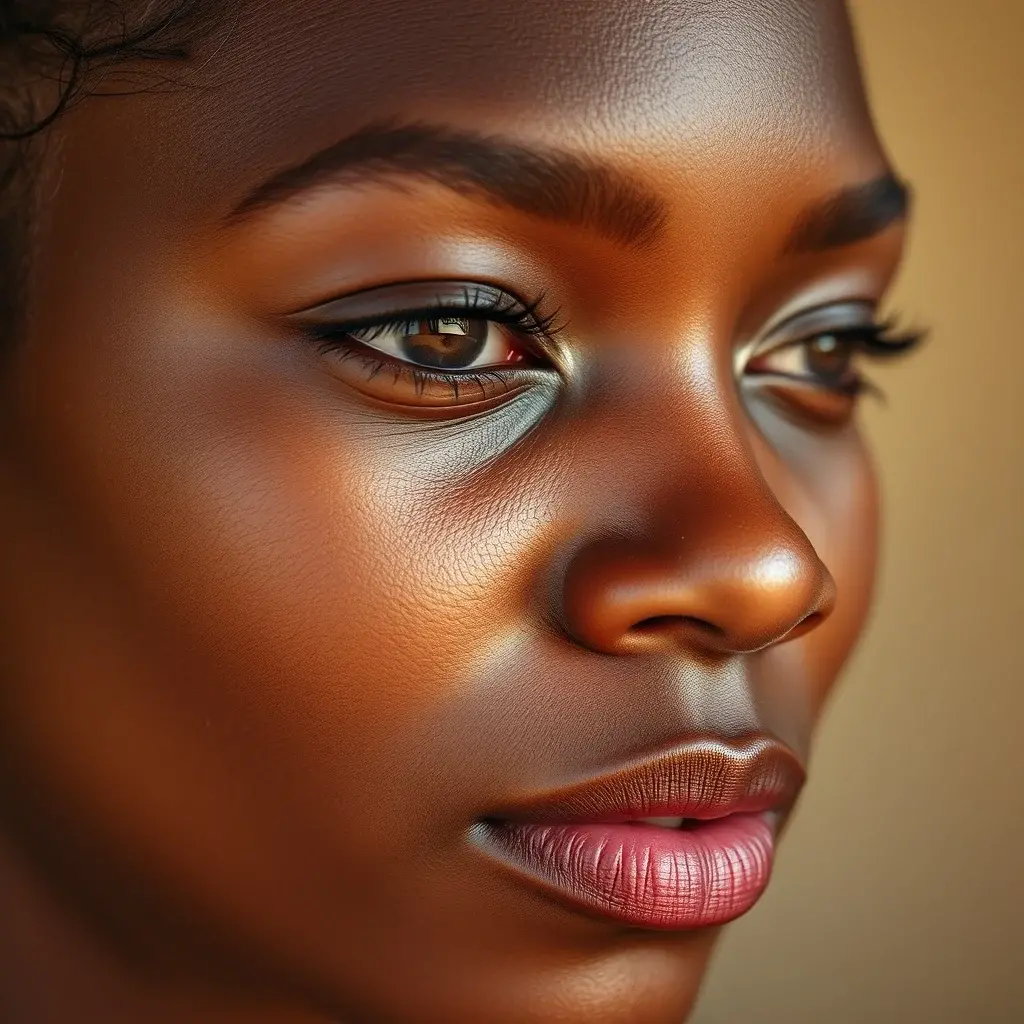
Achieving a radiant complexion with deeper skin tones often feels like navigating a maze of conflicting advice—too many products promise miracles, while others risk irritation. The key lies in a **barrier-first approach**, where skin health takes center stage before any brightening or even-toning efforts. This method ensures your skin remains resilient, reducing the risk of sensitivity, hyperpigmentation, or long-term damage. If you’ve struggled with uneven texture, dullness, or reactions to skincare, it’s time to rethink your routine with ingredients that prioritize protection and repair.
This guide dives into the science-backed actives and nourishing components that strengthen the skin barrier while gently enhancing your natural glow. Whether you’re dealing with dryness, oiliness, or simply want a more balanced tone, these ingredients work in harmony to support deeper skin tones safely and effectively.
Why a Barrier-First Approach Works for Deeper Skin Tones
Deeper skin tones often produce more melanin, which can make them more prone to hyperpigmentation and slower cell turnover. A weakened barrier exacerbates these issues, leading to dullness, dark spots, or even post-inflammatory marks. By focusing on repair and hydration first, you create an optimal environment for your skin to heal and radiate naturally. Ingredients like ceramides, cholesterol, and fatty acids mimic the skin’s natural lipids, reinforcing its protective layer and preventing moisture loss.
This approach isn’t just about prevention—it’s about setting the stage for other actives to work better. For example, brightening ingredients like niacinamide or azelaic acid are far more effective when the skin barrier is intact. Without it, these actives can cause irritation, undoing any potential benefits and worsening uneven tone over time.
Essential Ingredients for a Strong Skin Barrier
Not all ingredients are created equal when it comes to barrier repair. Look for components that actively restore the skin’s lipid barrier and soothe irritation. Ceramides, found naturally in the skin, are critical for maintaining hydration and flexibility. Products containing ceramides (like Ceramide NP or AP) help lock in moisture and reduce redness, making them ideal for sensitive or reactive skin.
Cholesterol and fatty acids (such as linoleic and oleic acid) work alongside ceramides to rebuild the skin’s protective layer. These ingredients are often found in barrier-repair serums or moisturizers and are especially beneficial if you’ve used harsh exfoliants or experienced environmental damage. Pairing them with hyaluronic acid can further enhance hydration, ensuring your skin stays plump and resilient.
Gentle Exfoliation: The Right Way to Renew Without Irritation
Exfoliation is a double-edged sword for deeper skin tones—done incorrectly, it can trigger hyperpigmentation or inflammation. However, gentle chemical exfoliants like lactic acid or mandelic acid can promote cell turnover without disrupting the barrier. These acids are milder than glycolic or salicylic acid and are better suited for melanin-rich skin, as they’re less likely to cause post-inflammatory darkening.
When introducing exfoliants, start with a low concentration (5-10%) and use them 1-2 times per week. Always follow up with a barrier-repairing moisturizer to counteract any potential irritation. If you notice redness or tightness, scale back and focus on hydration and soothing ingredients like aloe vera or panthenol (pro-vitamin B5).
Brightening Safely: Ingredients That Even Tone Without Risk
Brightening ingredients are often the stars of skincare routines, but they should never come at the cost of barrier health. Niacinamide, a form of vitamin B3, is a powerhouse for evening out skin tone while also strengthening the barrier. It reduces inflammation, regulates sebum, and enhances the effectiveness of other actives, making it a versatile choice for all skin types.
Azelaic acid is another gentle yet effective option for addressing dark spots and redness. Unlike harsher acids, it works by inhibiting melanin production and reducing inflammation, making it ideal for sensitive or reactive skin. Introduce it gradually, starting with a 10% concentration, and always pair it with a moisturizer to prevent dryness. For a more natural approach, licorice root extract can also help fade hyperpigmentation while soothing irritation.
Hydration and Occlusion: Locking in Moisture for Long-Lasting Glow
Dehydration can accentuate dullness and uneven texture, making hydration a non-negotiable step in any barrier-first routine. Hyaluronic acid is a humectant that draws moisture into the skin, while occlusive ingredients like squalane, shea butter, or dimethicone seal it in. These components create a protective layer that prevents moisture loss, ensuring your skin stays supple and radiant.
For deeper skin tones, opt for richer moisturizers or balms that provide both hydration and a subtle glow. Ingredients like marula oil or sea buckthorn oil are packed with antioxidants and fatty acids, which nourish the skin and support barrier function. Layering these with a lightweight serum can maximize hydration without clogging pores, making them suitable for all skin types.
Sun Protection: The Non-Negotiable Step for Even-Toned Skin
No matter how strong your barrier or how gentle your routine, sun exposure remains the number one culprit behind hyperpigmentation and uneven tone. UV rays accelerate melanin production, leading to dark spots and premature aging. A broad-spectrum sunscreen with an SPF of 30 or higher is essential, even on cloudy days or indoors.
Choose a formula that suits your skin type—whether it’s a lightweight, non-greasy lotion for oily skin or a richer cream for dryness. Ingredients like zinc oxide or titanium dioxide provide physical protection, while chemical filters like avobenzone offer broader UVA/UVB coverage. Reapply every 2 hours if you’re outdoors, and consider wearing a hat or seeking shade for extended sun exposure.
Your skincare routine should feel like an investment in long-term skin health, not a quick fix. By prioritizing barrier repair, gentle exfoliation, and sun protection, you’re not just chasing a brighter complexion—you’re building a foundation that supports your skin’s natural resilience. Start with one or two barrier-strengthening products, observe how your skin responds, and gradually introduce other actives. The goal isn’t perfection but progress, one step at a time.
Ready to transform your routine? Begin with a ceramide-rich moisturizer and a gentle exfoliant, then build from there. Your skin will thank you with a healthy, radiant glow that’s uniquely yours.
You may also like
-
Deeper Skin Tones: Beginner’s Guide to Skin-Brightening Ingredients
-
Ingredients for Deeper Skin Tones: What Most People Get Wrong
-
Ingredients for Deeper Skin Tones: A Budget-Friendly Glow Guide
-
Ingredients for Deeper Skin Tones: A Step-by-Step Guide to Radiant Skin
-
Ingredients for Deeper Skin Tones: A Barrier-First Approach to Lasting Glow